

Time:2026-06-17
Industrial property managers face severe bottom-line pressure from rising grid costs. Traditional factory high-bays consume immense power. They run at 100% output across empty corridors. This waste inflates monthly utility bills.
Procurement teams often look only at cheap upfront prices when buying components. This narrow focus creates massive financial bottlenecks later. Cheap import fixtures fail early in high-heat warehouse ceilings. Mismatched drivers drop communication lines with sensors. This failure forces facilities to handle constant emergency maintenance. This approach traps asset directors with unexpected expenses.
Using a comprehensive commercial smart lighting total cost ownership analysis IoT plan avoids these costly mistakes. Evaluating life-cycle costs helps your team look beyond initial invoice prices. It tracks true expenditure across hardware acquisition, labor setup, power usage, and long-term network changes. Choosing open, pre-tested components allows your property networks to adapt instantly. It streamlines data collection, reduces physical repairs, and unlocks major utility rebate payouts to stabilize your operating budget.
Evaluating corporate asset investments requires tracking fees far past the first warehouse purchase order. Low component price tags often hide heavy long-term operational costs. Selecting generic factory fixtures leads to massive integration friction for onsite engineering crews during setup. Mismatched systems require extensive manual programming, custom wire splicing, and continuous device reboots. These field bugs delay your project schedules. They also drive up initial electrical labor costs.
Advanced facility planning tracks every core cost category over a ten-year operational lifespan:
Hardware Sourcing Assets: Measures the upfront cost of LED luminaires. It tracks communication microchips, network controllers, and software user keys.
Onsite Commissioning Fees: Calculates the electrical labor required to mount fixtures. It covers wiring digital ballasts and assigning wireless grouping zones.
Real-Time Energy Consumption: Tracks ongoing utility costs across busy production runs. It monitors quiet warehouse holiday gaps.
System Maintenance Budgets: Monitors the expense of renting heavy bucket lifts. It tracks buying replacement driver blocks over time.
Network Change Expenses: Forecasts the funding needed to adjust luminaire dimming behavior when warehouse floor plans change.
Analyzing these core operational sectors protects enterprises from choosing low-grade, unverified imports. Generic equipment lines routinely exhibit elevated hardware mortality rates. They suffer early thermal degradation under high warehouse ceilings. Selecting factory-warranted, network-ready nodes preserves your capital budget. This practice eliminates frequent physical site repairs. It also ensures high grid reliability across all your global shipping hubs.
Modern industrial logistics networks require smart lighting components that follow strict fit rules. Testing your hardware keeps the whole ceiling grid safe. It prevents random software bugs and communication lags. The reference index below shows the exact specifications that procurement managers look for. Matching these targets ensures a smooth, reliable commercial lighting diagnostics workflow across your facility:
Data Path Transport Uptime: Stops connection drops across mixed-brand hardware grids. It keeps command response times under 100 milliseconds.
Modular Hardware Interface: Allows compact sensor modules to snap directly into the fixture body. No custom wire splicing is needed.
Continuous Dimming Resolution: Delivers smooth dimming changes from 100% down to 1% power. This preserves high visual comfort for warehouse employees.
Automated Natural Light Harvesting: Uses integrated daylight sensors to track incoming sun. It lowers fixture output automatically to maximize utility savings.
Network Data Protection Protocol: Validates secure wireless encryption keys at the hardware level. This protects internal company networks from digital threats.
Central Enterprise Log Sharing: Sends real-time sensor updates. It pipes power diagnostic logs straight into your main database.
Choosing fixtures that match this clean profile protects your capital investments from early software bugs and signal blind spots.
Reviewing actual deployment data shows how smart network mapping alters corporate financial performance. An international supply chain operator recently overhauled an 80,000-square-meter distribution center facing critical budget overruns. The old high-bay grid operated always at full capacity, creating massive electricity bills. Early efforts to resolve this waste using basic add-on sensors failed completely.
Tall steel rack structures blocked the weak radio signals. This interference caused frequent network drops. It created unexpected dark zones. These dark areas slowed down automated picking lines.
The logistics board resolved these field system drops. They deployed a high-performance commercial smart lighting total cost ownership analysis IoT platform. They swapped generic high-bays for intelligent LED luminaires. These units featured factory-aligned internal sensors. This modular upgrade stabilized data flows via three precise tracking rules:
Self-Structuring Mesh Paths: New hardware nodes bypassed structural barriers actively. They routed data packets safely through alternative ceiling paths. The signals traveled smoothly around tall inventory piles.
Responsive Aisle Light: Integrated motion sensors brought active pick zones to full strength. This occurred only when forklifts approached. The system maintained low standby baselines in empty aisles.
Enterprise Software Feeding: The onsite technical team linked their wireless lights directly to their core inventory software. They completed this setup using open data streams.
Verified facility metrics audited after 16 months of operation confirmed excellent performance:
Network Configuration Speed: The site team finished network matching 43% faster due to pre-matched factory component profiles.
Aggregate Grid Demand: Slashed total lighting power usage by 59%. They achieved this through granular movement tracking and daylight clipping.
Plant Safety Metrics: Maintained zero workplace visibility incidents due to instant sensor reaction times along active warehouse lanes.
Facility Engineering Overhead: Fell by 51%. Automated software tracking allowed technicians to replace fading parts early. They fixed components before complete failures occurred.
The commercial lighting rebate landscape is undergoing a major shift. Modern utility goals require deeper, measurable grid demand reductions. To achieve this, programs are moving away from simple equipment swaps and are heavily rewarding smart building automation.
This evolution presents a massive capital opportunity for businesses upgrading their networks:
Strategic Incentive Increases: Prescriptive lighting incentives have risen an average of 17% across North America. Specific high-bay categories climbed over 30%.
The Rise of Control Adders: Utilities actively promote smart controls. They are boosting average rebate values for integrated sensors by 12% to 20%.
Shifting to Energy-Based Metrics: Programs move toward performance calculated by watts reduced or annual kilowatt-hours saved. This approach heavily favors smart systems that actively minimize runtime.
Streamlined Prescriptive Tracks: Over 63% of NLC incentives are now handled through prescriptive tracks rather than complex custom applications. This change simplifies verification and pays out rewards much faster.
LED-to-LED Upgrade Payouts: Some facilities adopted early LED models years ago. Programs allowing LED-to-LED upgrade rebates have expanded by 22%. This applies if the new fixtures feature advanced smart controls.
Furthermore, several states enforce strict regulatory bans on old fluorescent tubes. In these territories, utility companies are completely sunsetting traditional lamp retrofits. Some regions now explicitly require advanced lighting controls. This is a baseline mandatory rule just to qualify for any lighting project incentives.
Investing in enterprise-grade networked lighting controls yields predictable financial returns. It curtails daily power waste. It also minimizes structural labor adjustments when layouts change.
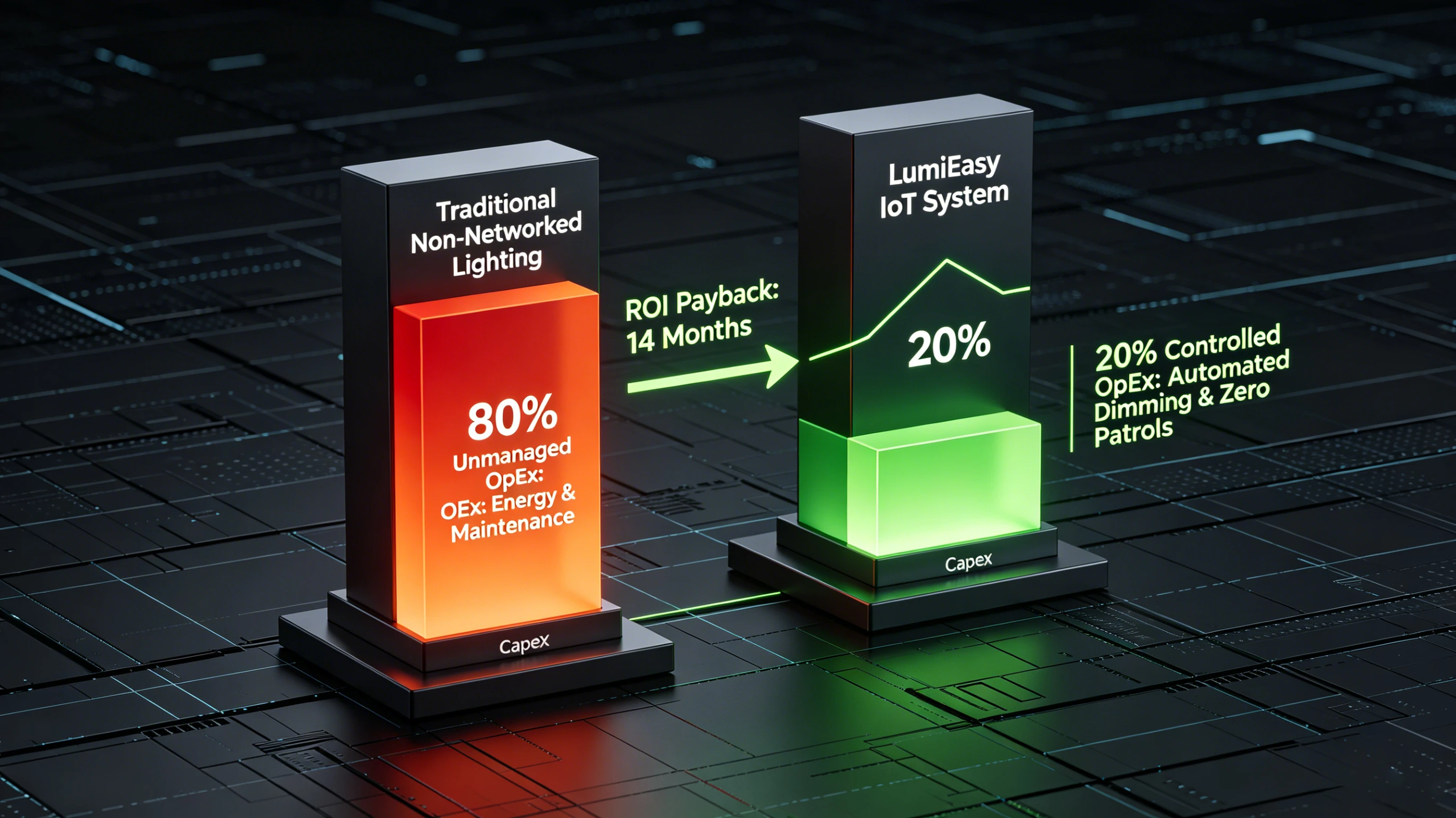
This automated method works well in many settings. It is highly effective for deep-freeze storage units. It helps high-speed automated sorting bays. It also optimizes heavy fabrication plants. The upfront capital required to buy high-specification fixtures is balanced by utility cash injections. This financial support drives a full fallback payback within 14 to 20 months.
Adaptive Power Throttling: Cuts thousands of wasted operational hours. It scales luminaire output down during off-peak loading dock intervals.
Flexibility Conversion Savings: Lowers plant layout change fees by 79%. Grouping changes occur within software dashboards. This optimization completely eliminates new conduit runs.
Automated Compliance Reporting: Replaces manual check sheets with secure cloud tracking tools accurate to within 1%.
Proactive Component Alerts: Drops emergency repair costs by sending automated warnings before a component breaks down completely.
This digital flexibility eliminates the need for expensive structural overhauls. It stabilizes your monthly building maintenance budgets, reduces overhead, and keeps your commercial spaces running smoothly.
Minimizing monthly utility expenses while protecting industrial assets requires a cohesive strategy. It demands pairing durable, energy-saving controls with robust hardware systems. Transitioning to an automated commercial architecture stabilizes engineering budgets, ensures regulatory compliance, and provides consistent facility output.
Blind networks and drifting physical timers can inflate operating overhead and misallocate facility maintenance funds. Partnering with an established automation provider allows logistics hubs to deploy calibrated sensor grids tailored to specific industrial floor plans.
For complete technical datasheets, updated product catalogs, or customized pricing assessments for an upcoming property retrofitting project, engineering teams may contact our support desk directly through the
A: Transitioning to a certified LumiEasy network allows corporate finance teams to reclassify lighting assets. The system shifts hardware items from basic fixtures to smart IT networks. By integrating open data nodes that monitor warehouse traffic, the system qualifies as specialized enterprise automation. This setup unlocks faster tax cuts under specific regional rules. It lowers your net corporate asset tax burdens over a five-year window.
A: Traditional closed setups trap commercial facilities with ongoing software subscription fees. LumiEasy uses open-standard, non-closed control firmware. This means your facility managers own the hardware outright. They can switch central management dashboards easily. They do not need to replace the physical fixtures in the ceiling. This flexibility stops software vendor lock-in, saving your enterprise thousands in recurring site licensing costs.
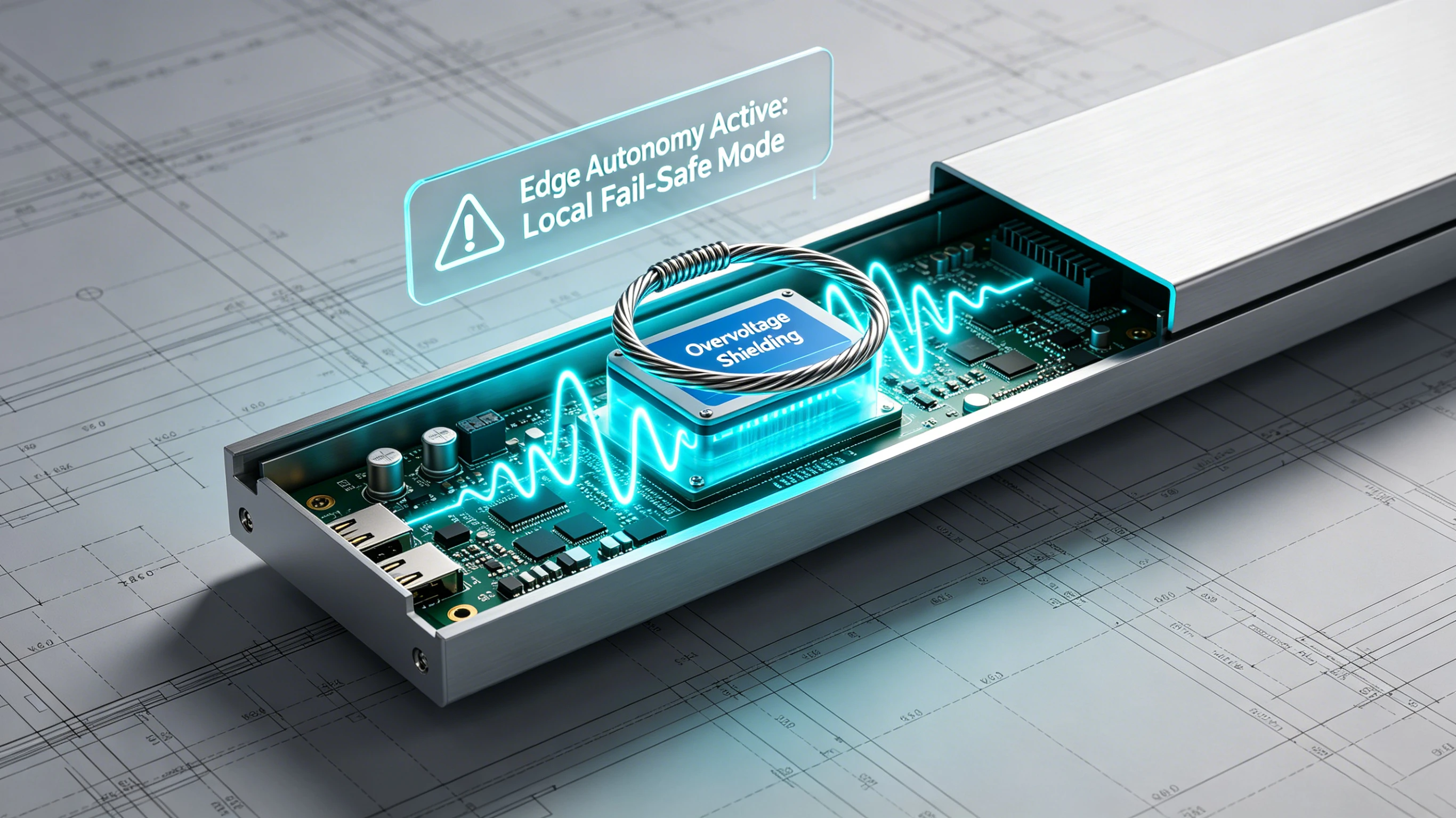
A: High-bay ceilings in manufacturing zones often reach extreme ambient temperatures. These harsh conditions cook cheap imported LED drivers. This thermal stress causes premature fixture failure. LumiEasy commercial luminaires feature active thermal folding circuitry. If ceiling temperatures exceed safe limits, the smart internal chip trims power output by a tiny, hidden percentage. This low-voltage cooling protects the internal electronics. It extends driver life to over 100,000 operational hours and saves your company massive field replacement labor fees.


)
)
)
)

+86 15899791249

+86 755 2955 3313


Address: Huafeng No.1 Science and Technology Park, Sanwei, Bao'an District, Shenzhen, Guangdong, China.
