

Time:2026-06-05
The global manufacturing world is moving toward tiny, high-precision equipment design. Today, machine building and product assembly are moving faster than ever. In 2026, factory owners, tool makers, and product engineers face a tough engineering barrier. They must add automatic tracking, precise movement monitoring, or parts testing to their setups. However, they must fit these tools into tiny spaces without adding ugly bulk to slim product frames.
Old-style industrial tracking tools and bulky position sensors are just too large. They come with thick metal boxes and heavy cable entries. These fat components cannot fit inside thin LED light tracks, narrow robotic joints, or compact machine walls. Forcing large hardware into tiny gaps ruins your product style, causes assembly mistakes, and slows down your active production lines.
The definitive answer to this spatial layout problem is choosing ultra-low profile hardware. Finding parts with the right linear smart sensor dimensions is critical for slim channel design. By using high-density microchips and narrow protective cases, these slim sensors deliver perfect tracking data over fast networks. Best of all, they slide easily inside the tightest commercial hardware channels without changing your product layout.
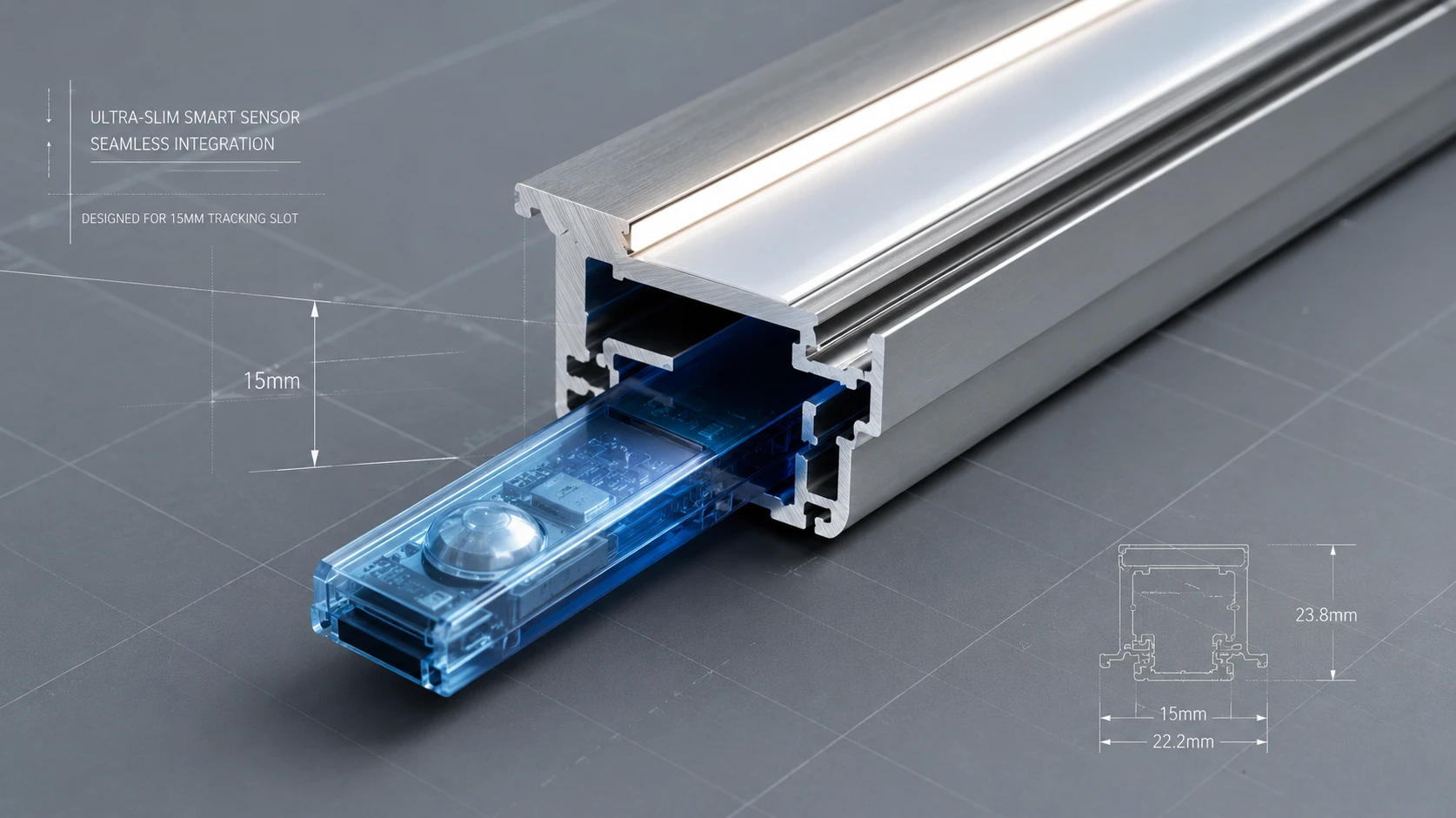
Product layout teams always struggle to balance tight physical spaces with high measuring accuracy. Older linear position sensors use large magnetic loops or physical slide bars. These parts need a lot of physical depth to read gaps or catch metal movement. When a development team shrinks an enclosure, using an old sensor forces them to make bad choices. They must either make the outside box bigger or lower their performance goals.
Modern slim sensors fix this spatial design clash. They use advanced multi-layer circuit cards and tiny silicon tracking grids. This design shrinks the active physical hardware footprint while keeping data reliability perfect. Instead of using large moving parts, these smart tools use solid-state chips. They read gap changes, check material edges, and track target spots with amazing sub-micron precision.
Also, this micro scaling applies to the sensor’s outer body. High-quality linear inductive position sensors feature narrow, clean shapes. They are built from lightweight anodized aluminum or tough plastic mixes. This outer shell keeps the part stiff and strong without adding bad extra weight. It allows your building crew to insert the sensing part straight into thin aluminum slots or moving rails without causing structural cracks.
When planning your assembly setup, checking precise outer measurements saves months of layout correction work. Slim sensors come in different long, thin shapes made for tight machine channels. Knowing these basic physical sizes helps your engineering team plan clean assembly gaps from day one.
| Sensor Style Group | Outer Body Length | Channel Face Width | Total System Thickness | Best Industry Use Case |
| Ultra-Slim Strip | 100mm to 300mm | 12mm to 15mm | 8mm to 10mm | Thin LED strips and fine wall channels |
| Compact Machine Edge | 200mm to 500mm | 18mm to 22mm | 12mm to 14mm | Robotic parts pickers and small press bays |
| Long Low-Profile Rail | 500mm to 1200mm | 25mm to 30mm | 15mm to 18mm | Sorting belt lines and large sheet handlers |
Picking the correct body length ensures the active tracking line covers your whole manufacturing path. The face width and thickness are kept small to fit a slim profile strip or tight metal tracks. Because these smart tools feature thin widths (often below 15mm), you can push them into standard metal grooves with ease. This narrow design keeps the sensing face completely flat against the surrounding metal.
Even better, electrical plug setups are built with tight spaces in mind. Quality slim sensors do not use fat, bent wire caps that stick out and catch on passing parts. Instead, they feature flat plugin ports or thin ribbon cables that exit cleanly from the short end of the box. This clean layout keeps your wiring neat and lets you stack multiple linear sensors end-to-end for long checking paths.
Slim sensors do more than save physical room. They act as high-speed data collectors for your factory line. They can scan moving parts, map target depths, and measure linear displacement on fast-moving assembly lines.
In high-speed factory setups, these smart tools can use a built-in hall effect crystal chip to read data. The core setup monitors changes in the local magnetic field as the target metal moves by. The sensor fires high-frequency tracking signals across the target material’s edge. It reads data points back onto its internal tracking processor instantly.
This rapid loop allows the slim tool to handle tough factory monitoring tasks on the run:
Constant Edge Scanning: The sensor spots tiny thickness shifts or bad bends on raw metal sheets, glass plates, or vinyl rolls. It catches these errors before the item moves to the next cutting blade.
Instant Position Tweaks: For automated cutting machines, the smart tool monitors exact part placement. It sends live tracking coordinates straight to the main controller to ensure perfect cuts every single run.
Smart Flow Monitoring: The linear sensor tracks moving boxes across long belt systems. It logs missing parts or assembly jams right away to prevent expensive floor delays.
The commercial lighting world loves clean, thin layout patterns. Modern offices are replacing old, heavy ceiling boxes with slim light strips and hidden architectural fixtures. To keep energy costs low, these modern lighting networks need smart motion controls. However, using standard fat motion sensors ruins the beautiful look of thin lighting channels.
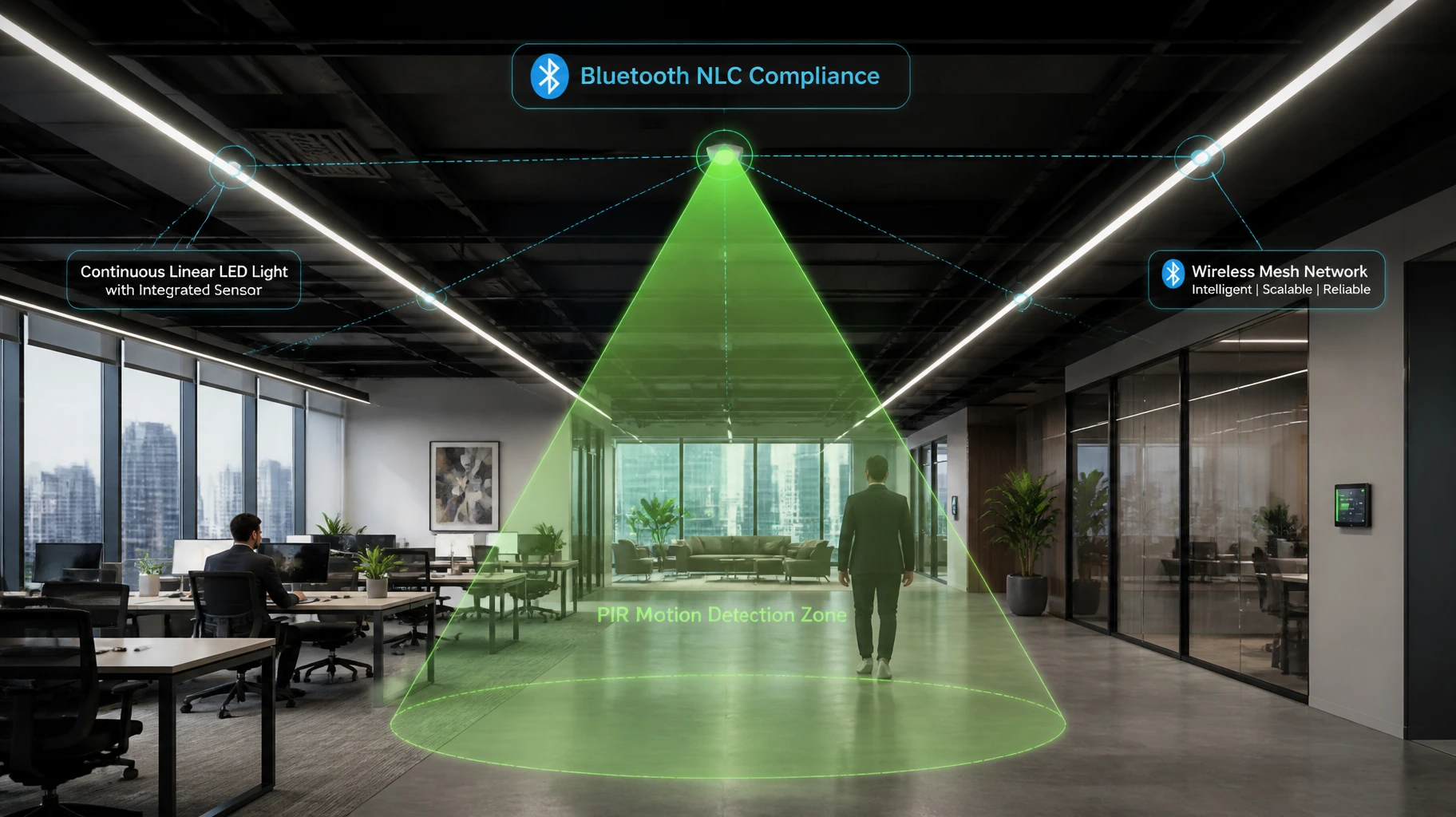
This style challenge is where specialized linear smart sensor dimensions give you a massive product design benefit. Because the sensor box width matches the thin gap of modern light tracks, factory builders can mount the smart core right inside the fixture channel. The low-profile sensor sits flat alongside the LED board right under the main lens cover. This smart layout hides the tool from view while providing excellent automation:
The hidden sensor watches paths through narrow office corridors or store aisles. It turns local light levels up to 100% only when a worker enters the space, saving major power in dark, empty zones.
The built-in sensing cells constantly check incoming sunlight from close windows. It drops the LED board’s power output down smoothly during bright hours, keeping room light stable while lowering your power bills.
Because these sensors run on low-voltage DC power feeds, they plug directly into low-profile power lines. They skip the need for heavy electrical transformer boxes or messy high-voltage wires, keeping your light setups neat and completely safe.
For factory leaders running large multi-site logistics hubs or automated assembly lines, keeping track of thousands of old position sensors is an expensive headache. Traditional tracking tools require manual physical checkups. Crews must stop active assembly lines and send workers into dangerous machine bays just to test if an internal sensing loop is dying.
Switching your machinery to a slim smart sensor system modernizes this floor work by using automatic self-checking tools:
Live Device Health Logs: The internal tracking microchip constantly monitors operational currents, core heat, and signal quality metrics. The sensor reports these safety stats back to your main screen all day and night.
Instant Trouble Flags: If an internal part wears out or a sensor lens gets blocked by heavy factory dust, the tool flags the error immediately. It displays the exact part code and rail spot on your layout screen, letting your team fix the part before a line stops.
Smart Lifetime Alerts: The sensor tracks total active run hours and movement counts. It warns your team early when a part gets close to its breakdown limit. This data lets you order bulk factory parts ahead of time and plan easy swaps during planned shutdowns.
Industrial smart sensors must work perfectly in dirty factory environments. Fine dust, water drops, chemical washes, and constant machine shaking can easily break standard commercial electronics. To stop sudden data drops and unexpected hardware breaks, top-tier slim sensors feature tough outer shells built for harsh factory life.
Advanced linear position sensors use high-density sealing compounds to fill their inner chambers completely. This solid layer blocks out moisture and fine dust particles, earning the device top industrial IP67 or IP68 protection ratings. Whether your floor deals with thick wood dust, wet car paint sprays, or constant food-grade washes, the internal tracking chip stays safe and dry.
Furthermore, this solid structural build acts as a shock absorber against continuous machine shaking. On heavy metal stamping presses or fast robotic cutters, constant vibration can crack solder points on cheap circuit cards. Our rugged slim sensors hold their internal chips firmly in place. This tough build stops calibration drift, keeps data steady, and ensures a very long operational life.
Setting up a factory tracking upgrade requires a smart plan for equipment sourcing. To get the fastest possible return on your investment, smart corporate buying managers avoid closed, single-vendor brands. Those tight setups lock buyers into expensive, proprietary replacement parts. Instead, choose open-architecture smart sensors that work across different equipment brands.
By choosing open-standard low-profile linear inductive position sensors, business buyers gain excellent long-term benefits:
Simple Plug-and-Play Hookups: Our smart sensors send data using standard factory pathways like Modbus, IO-Link, or 0-10V analog loops. This open design lets them plug directly into your current PLC boxes and automation lines without custom code.
Fast and Cheap Installation: Because these thin components run on safe low-voltage DC lines, technicians can run wires open through standard cable trays. This setup skips the need for expensive high-voltage building permits and rigid metal conduits, lowering labor costs.
Easy Future Line Moves: If your production layout changes or you upgrade your machinery down the road, moving a plug-and-play slim profile strip setup takes minutes. You simply unbolt the narrow housing from its mounting track and slide it into its new position.
Choosing an open-architecture slim sensor framework slashes your material expenses, speeds up your installation timeline, and maximizes your long-term system ROI.
Achieving top tracking efficiency requires a balanced plan. It pairs rugged, low-profile hardware with flexible digital data outputs. Moving away from bulky old housing boxes and standardizing on slim linear smart sensors protects your project timeline. It also maximizes your long-term corporate ROI.
Are you ready to eliminate manual maintenance headaches? Do you want to drop your product assembly costs and build an intelligent, data-driven machinery layout? Do not let supply chain delays or uncertified components compromise your engineering standards. Partner with an industry-tested manufacturing expert. This partnership secures high-quality, factory-direct smart components tailored to your exact architectural needs.
Do you need comprehensive product catalogs or technical engineering data sheets? Do you want an exact project price quote? Please visit our official B2B portal. You can submit your technical blueprint requirements directly to our team through our
A: Yes, they do. Our premium linear smart sensors use open factory data paths like IO-Link, Modbus RTU, and standard 0-10V analog outputs. This wide compatibility allows the sensor core to send live tracking data and distance metrics straight to your current third-party PLC boxes or central controllers. You can manage automated machinery paths across your entire production line through a unified interface without needing custom software patches.
A: Our low-profile sensors feature advanced microchips that run on ultra-low voltage DC lines. This efficient solid-state design generates almost zero ambient heat during operation, unlike old mechanical relays. When tucked inside a narrow slim profile strip or hidden aluminum channel, the sensor stays cool. It operates safely alongside delicate LED boards without adding heat stress or shortening fixture life.
A: System safety and data reliability are our top manufacturing goals. Our rugged industrial position sensors feature built-in overvoltage shielding and electrical isolation loops. If your factory floor suffers a sudden power surge or voltage spike, the internal protection blocks the excess current instantly. This shield prevents damage to the sensitive tracking chips and keeps your calibration values safe, ensuring zero operational downtime.


)
)
)
)

+86 15899791249

+86 755 2955 3313


Address: Huafeng No.1 Science and Technology Park, Sanwei, Bao'an District, Shenzhen, Guangdong, China.
