

Time:2025-12-05
As smart building technology evolves toward proactive optimization, traditional reactive lighting control—relying on real-time occupancy sensors—can no longer meet the demand for极致 energy efficiency and user comfort. In this context, AI machine learning lighting occupancy prediction has emerged as a transformative innovation, enabling lighting systems to anticipate human presence and adjust illumination in advance. By leveraging artificial intelligence and machine learning algorithms to analyze historical and real-time data, this technology breaks the limitations of "response-after-detection" and turns lighting control into a predictive, adaptive system. For organizations pursuing smart, sustainable built environments, AI machine learning lighting occupancy prediction has become a core driver of lighting system upgrading.
Traditional smart lighting systems primarily use real-time occupancy sensors to trigger lighting adjustments—turning on lights when occupancy is detected and turning them off when the space is vacant. While this is an improvement over manual control, it still has inherent flaws. First, there is a lag in response: lights may not turn on immediately when people enter a space, leading to temporary darkness and poor user experience. Second, energy waste persists in dynamic scenarios: for example, in spaces with intermittent occupancy (such as office meeting rooms or retail fitting rooms), reactive systems may turn off lights prematurely or fail to adjust in time for subsequent occupancy.
The rise of complex built environments—such as large-scale commercial campuses, high-traffic retail malls, and 24/7 industrial facilities—further amplifies these shortcomings. Fluctuating occupancy patterns, influenced by factors like work schedules, weather, and special events, make reactive control ineffective at balancing comfort and energy savings. AI machine learning lighting occupancy prediction addresses these gaps by forecasting occupancy trends, allowing lighting systems to prepare optimal illumination in advance, eliminating lag and reducing unnecessary energy consumption.
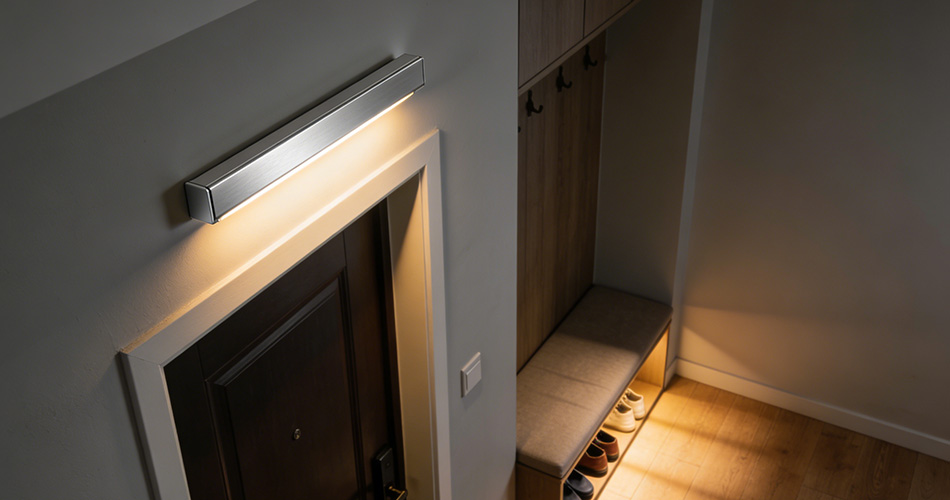
AI machine learning lighting occupancy prediction relies on three interconnected technical pillars: data collection, model training, and real-time predictive adjustment—all working together to achieve accurate occupancy forecasting.
First, multi-dimensional data collection. The system gathers a wide range of data sources to build a comprehensive occupancy profile, including historical occupancy records (such as hourly, daily, and weekly occupancy patterns), environmental data (temperature, humidity, weather conditions), and contextual data (work calendars, event schedules, retail promotion plans). This multi-dimensional data provides rich features for machine learning models to learn the correlations between various factors and occupancy.
Second, machine learning model training and optimization. Data scientists train specialized machine learning models—such as decision trees, random forests, or neural networks—using the collected data. These models learn to identify hidden patterns in occupancy, such as "weekly staff meetings leading to peak occupancy in conference rooms every Monday morning" or "rainy days increasing foot traffic in retail store lobbies." The models are continuously optimized through real-time data feedback, improving prediction accuracy over time.
Third, real-time prediction and lighting adjustment. Based on the trained model, the system generates short-term occupancy predictions (ranging from 5 minutes to 2 hours) for each lighting zone. It then adjusts the lighting in advance: for example, pre-activating bright lighting in a conference room 10 minutes before a scheduled meeting, or dimming lights in a retail aisle during predicted low-traffic periods. This predictive adjustment ensures that lighting always aligns with actual occupancy needs, eliminating response lag and energy waste.
AI machine learning lighting occupancy prediction is versatile across diverse built environments, delivering targeted value by adapting to industry-specific occupancy patterns.
In smart office buildings, predictive lighting systems integrate with employee calendars and building access data to forecast occupancy in individual workstations, meeting rooms, and common areas. For example, the system can predict that the marketing department’s open workspace will have 80% occupancy between 9 AM and 12 PM, adjusting lighting to optimal brightness in advance. For unplanned meetings, the system uses real-time access data to update predictions dynamically, ensuring timely lighting adjustments.
Retail environments benefit from predicting customer foot traffic. By analyzing historical sales data, promotional schedules, and weather forecasts, AI machine learning lighting occupancy prediction systems forecast peak and off-peak periods in different store zones. Retailers can pre-adjust lighting in promotional zones to attract customers during peak hours, while dimming non-essential zones during low-traffic periods. This not only saves energy but also enhances the shopping experience by ensuring well-lit, inviting spaces when customers are present.
Industrial facilities, such as manufacturing plants and logistics warehouses, use predictive lighting to align with production schedules and shift changes. The system predicts occupancy in production lines, storage aisles, and maintenance zones based on shift rosters and production plans, pre-activating lighting before workers arrive. For warehouses with automated guided vehicles (AGVs), the system integrates AGV route data to predict equipment movement, ensuring lighting follows the vehicle’s path in advance.
Educational campuses leverage predictive lighting to adapt to class schedules and campus events. The system forecasts occupancy in classrooms, lecture halls, and libraries based on course timetables, adjusting lighting to match class start and end times. During campus events (such as sports matches or cultural festivals), the system updates predictions using event registration data, ensuring adequate lighting in gathering areas.
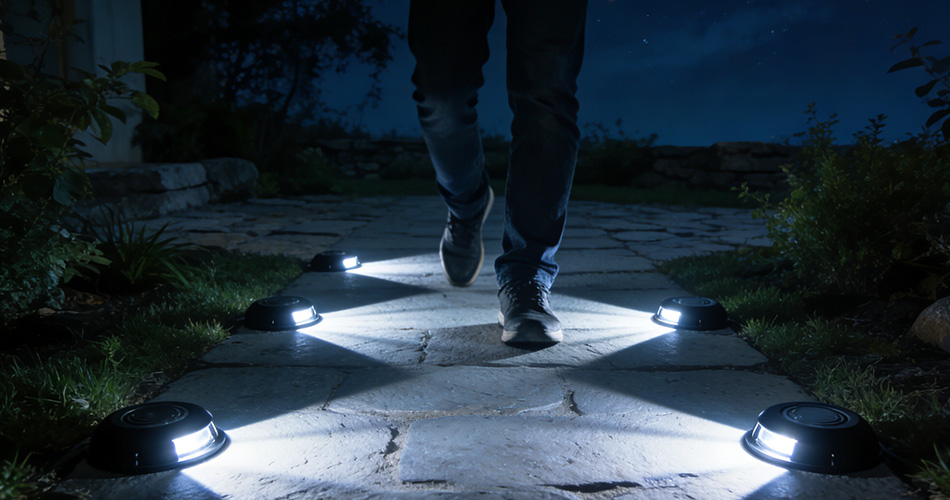
Beyond enhancing user experience, AI machine learning lighting occupancy prediction delivers tangible value in energy savings, operational efficiency, and sustainability.
Precision energy savings are a primary benefit. By predicting occupancy and adjusting lighting in advance, the system eliminates energy waste from unnecessary illumination and reduces the short-term high-power consumption caused by frequent on/off cycles of reactive systems. Studies show that lighting systems integrated with AI machine learning occupancy prediction can reduce lighting-related energy costs by an additional 20-30% compared to traditional sensor-based systems.
Operational efficiency is significantly improved. The predictive capability reduces the need for manual intervention—facility managers no longer need to adjust lighting schedules frequently to adapt to changing occupancy patterns. Additionally, the data generated by the system provides actionable insights into space usage, enabling managers to optimize space allocation. For example, if the system predicts that a meeting room is rarely used on Fridays, managers can repurpose the space to improve resource utilization.
Sustainability goals are better achieved. By reducing energy consumption, AI machine learning lighting occupancy prediction helps organizations lower their carbon footprints, aligning with global sustainability initiatives. Many businesses also qualify for additional energy efficiency incentives by adopting advanced predictive technologies, further improving the return on investment.
As AI and machine learning technologies advance, AI machine learning lighting occupancy prediction is poised to become more intelligent and integrated.
One key trend is multi-system integration. Future predictive lighting systems will seamlessly connect with other smart building systems, such as HVAC, security, and access control. For example, the lighting system can share occupancy predictions with the HVAC system, enabling coordinated adjustments of temperature and lighting to further enhance energy efficiency and user comfort.
Edge computing integration is another emerging trend. By deploying machine learning models on edge devices (such as local controllers), the system can process data and generate predictions in real time without relying on cloud connectivity. This reduces latency, improves system reliability in poor network conditions, and enhances data security by keeping sensitive occupancy data on-site.
Enhanced prediction accuracy through multi-factor modeling will also shape the future. Future systems will integrate more diverse data sources, such as employee health data (e.g., remote work status) and real-time traffic data, to refine occupancy predictions. Advanced machine learning models, such as deep learning neural networks, will enable more accurate forecasting of complex, non-linear occupancy patterns.
In conclusion, AI machine learning lighting occupancy prediction is revolutionizing smart lighting by shifting from reactive to proactive control. Its ability to predict occupancy accurately, adapt to diverse industry needs, and deliver significant energy savings makes it an indispensable technology for modern smart buildings. As multi-system integration, edge computing, and advanced modeling techniques continue to evolve, this technology will play an increasingly vital role in creating more efficient, sustainable, and user-centric built environments. For organizations looking to stay at the forefront of smart building innovation, investing in AI machine learning lighting occupancy prediction is a strategic step toward operational excellence and sustainability.


)
)
)
)

+86 15899791249

+86 755 2955 3313


Address: Huafeng No.1 Science and Technology Park, Sanwei, Bao'an District, Shenzhen, Guangdong, China.
