

Time:2025-12-15
Lighting sensors operating in harsh or complex environments—such as coastal warehouses, agricultural greenhouses, or busy traffic tunnels—face relentless interference from natural and man-made factors: salt spray, dust storms, fluctuating temperatures, stray electromagnetic signals, and even wind-blown debris. These interferences often cause traditional sensors to malfunction, triggering false lighting activations or missing critical detections, which undermines energy efficiency and safety. Advanced environmental interference rejection systems emerge as a decisive solution, equipping lighting sensors with the ability to filter out irrelevant signals and maintain precise performance amid adverse conditions. For facility managers, agricultural operators, and infrastructure engineers, integrating advanced environmental interference rejection systems into lighting sensor setups is essential to building resilient, low-maintenance lighting systems in challenging environments. This article explores the core value, application scenarios, and implementation strategies of these systems, highlighting their role in redefining sensor reliability.
Environmental interference is the primary cause of lighting sensor failure in non-controlled settings. Traditional sensors lack effective filtering mechanisms, making them vulnerable to even minor disturbances: a gust of wind blowing leaves across a sensor’s field of view may trigger outdoor lights unnecessarily; electromagnetic interference from nearby industrial machinery can disrupt sensor signals in factories; high humidity in greenhouses can fog sensor lenses, reducing detection accuracy. These issues lead to tangible consequences: wasted energy from false activations, compromised safety from missed detections, and increased maintenance costs from frequent sensor repairs or replacements.
In critical environments, the risks are even more severe. For example, in traffic tunnel, a sensor disrupted by vehicle headlights or airflow could fail to adjust lighting brightness, endangering drivers. In coastal port facilities, salt spray interference may cause sensors to malfunction, leaving loading docks unlit during nighttime operations. Advanced environmental interference rejection systems address these gaps by actively identifying and rejecting non-target signals, ensuring that lighting sensors only respond to genuine occupancy or motion. This level of precision is unattainable with traditional sensors, making these systems a necessity for challenging environments.
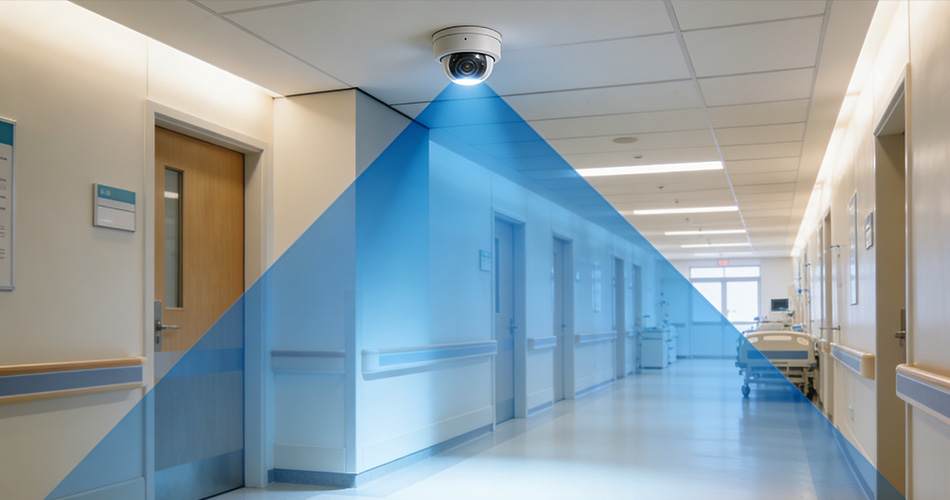
Advanced environmental interference rejection systems deliver three key benefits that elevate lighting sensor performance in harsh conditions:
First, precise interference signal filtering. These systems use advanced algorithms and signal processing technologies to distinguish between genuine triggers (e.g., human motion, occupancy) and interference (e.g., wind, debris, electromagnetic noise). For instance, in a windy industrial yard, the system can filter out the high-frequency signals generated by moving debris while retaining the low-frequency signals from human movement. This precision eliminates false activations and missed detections, ensuring reliable lighting control.
Second, broad environmental adaptability. Advanced environmental interference rejection systems are engineered to withstand a wide range of adverse conditions, including extreme temperatures, high humidity, salt spray, dust, and electromagnetic interference. They feature ruggedized designs with protective enclosures and anti-fog, anti-corrosion components that complement their signal-filtering capabilities. This adaptability allows lighting sensors to operate consistently in diverse challenging environments—from desert warehouses to tropical greenhouses.
Third, stable integration with lighting and building systems. These anti-interference systems seamlessly integrate with smart lighting controls, building management systems (BMS), and IoT platforms, maintaining reliable data transmission even amid interference. For example, in a factory, a sensor equipped with an advanced environmental interference rejection system can send accurate occupancy data to the BMS, enabling synchronized adjustments of lighting and HVAC systems without signal disruption. This stability ensures that the energy-saving and safety benefits of smart lighting systems are not compromised by environmental interference.

These systems excel in environments where interference is unavoidable, delivering targeted value across specialized sectors:
Coastal and port facilities: Salt spray, strong winds, and electromagnetic interference from shipping equipment pose major challenges to lighting sensors. Advanced environmental interference rejection systems filter out wind-blown debris signals and resist salt corrosion, ensuring reliable lighting control in loading docks, storage yards, and coastal walkways. Sensors remain responsive to worker movement while ignoring the constant interference from sea breeze and machinery.
Agricultural greenhouses and farms: High humidity, temperature fluctuations, and moving plant foliage often disrupt traditional sensors. These anti-interference systems filter out signals from swaying leaves and fog, ensuring that lighting sensors only activate when workers or equipment are present. They also withstand the high-moisture environment, maintaining performance in greenhouses where precise lighting control is critical for crop growth.
traffic tunnel and highway infrastructure: Vehicle headlights, airflow, and electromagnetic interference from traffic signals challenge tunnel lighting sensors. Advanced environmental interference rejection systems reject glare and airflow signals, adjusting lighting brightness based on genuine vehicle or pedestrian presence. This ensures consistent illumination for drivers, enhancing safety while reducing energy waste from false activations.
Industrial factories and manufacturing plants: Electromagnetic noise from machinery, dust, and vibration disrupt sensor performance. These systems filter out electromagnetic interference and dust-related signals, ensuring that lighting sensors activate only in occupied work zones. They also withstand vibration and high temperatures, maintaining reliability in heavy-industry environments.
Outdoor sports stadiums and large venues: Wind, rain, crowd noise, and moving banners can interfere with lighting sensors. Advanced environmental interference rejection systems filter out these distractions, ensuring that lighting adjusts based on crowd occupancy or event activities. This ensures optimal illumination for athletes and spectators while avoiding unnecessary energy use during inclement weather.
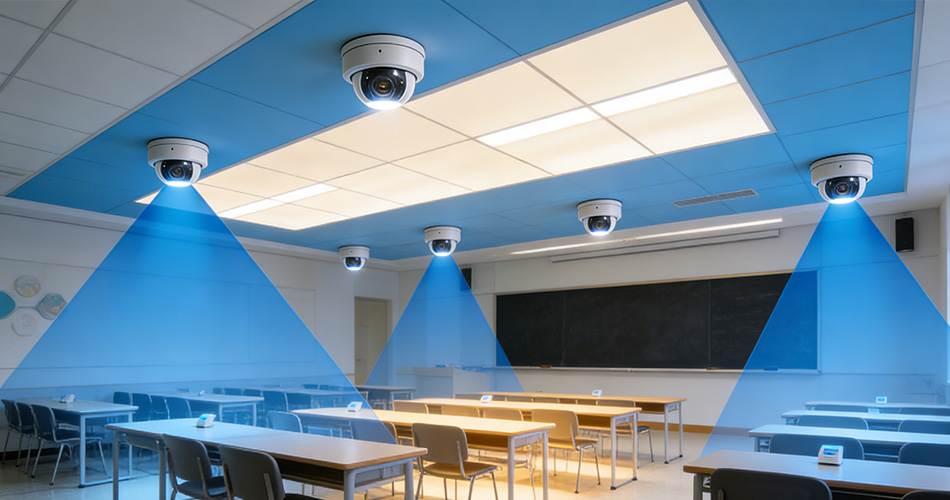
To maximize the value of advanced environmental interference rejection systems, follow these strategic implementation guidelines:
First, conduct a comprehensive interference assessment. Before installation, identify the specific interference sources in the target environment (e.g., salt spray, electromagnetic noise, foliage). This assessment helps select a system tailored to filter the dominant interference types, ensuring optimal performance.
Second, prioritize system compatibility. Ensure that the advanced environmental interference rejection system integrates seamlessly with existing lighting sensors and control systems. Verify compatibility with wireless protocols (e.g., LoRaWAN, Wi-Fi) and BMS platforms to maintain synchronized operation and remote monitoring capabilities.
Third, optimize sensor placement with anti-interference in mind. Even with advanced rejection systems, proper placement enhances performance. Mount sensors away from direct interference sources (e.g., industrial machinery, vehicle headlights) and use protective shields where necessary (e.g., anti-glare covers in tunnels). Follow manufacturer guidelines to ensure the rejection system’s algorithms work in tandem with placement.
Fourth, conduct regular system calibration. Environmental conditions and interference sources may change over time (e.g., seasonal foliage growth, new machinery installation). Schedule quarterly calibration of the advanced environmental interference rejection system to ensure it continues to filter out irrelevant signals effectively.
As lighting sensor technology evolves, advanced environmental interference rejection systems are becoming more intelligent and adaptive:
One trend is AI-enhanced interference recognition. Future systems will use artificial intelligence to learn and adapt to new interference sources in real time. For example, a sensor in a factory can learn to distinguish between new machinery’s electromagnetic signals and human motion, updating its filtering algorithms automatically.
Another trend is multi-sensor fusion for enhanced rejection. Systems will integrate data from multiple sensors (e.g., motion, acoustic, environmental) to cross-verify signals, reducing the risk of interference. For instance, a system may combine motion sensor data with acoustic data to confirm human presence, rejecting false triggers from wind or debris.
Finally, energy-efficient design integration. Manufacturers are developing low-power advanced environmental interference rejection systems that complement energy-harvesting lighting sensors (e.g., solar-powered sensors). This integration reduces reliance on batteries or grid power, making the systems ideal for remote challenging environments (e.g., rural farmland, remote coastal areas).
In conclusion, advanced environmental interference rejection systems are a critical innovation for lighting sensors operating in challenging environments, addressing the long-standing issue of environmental interference. By delivering precise signal filtering, broad adaptability, and stable system integration, these systems ensure reliable lighting control, energy efficiency, and safety across specialized sectors. Through strategic implementation and adherence to best practices, organizations can maximize the resilience of their lighting systems in harsh conditions. As AI and multi-sensor fusion technologies advance, these systems will become even more intelligent, solidifying their role as a cornerstone of reliable lighting in challenging environments. For anyone managing lighting systems in adverse conditions, investing in advanced environmental interference rejection systems is a strategic choice that delivers long-term reliability and operational value.


)
)
)
)

+86 15899791249

+86 755 2955 3313


Address: Huafeng No.1 Science and Technology Park, Sanwei, Bao'an District, Shenzhen, Guangdong, China.
