

Time:2025-10-28
In the ever-evolving landscape of energy management, smart lighting solutions are becoming increasingly popular in commercial spaces. One of the key innovations in this domain is the use of automated daylight harvesting sensors. These sensors are designed to optimize lighting by adjusting artificial light levels based on the natural daylight available, thereby reducing energy consumption and enhancing the overall indoor environment.
Automated daylight harvesting sensors are smart devices that detect the amount of natural light in a space and adjust the artificial lighting accordingly. These sensors are typically integrated into a building's lighting system and use photodetectors to measure light levels. By dynamically controlling the lighting, they help maintain consistent illumination while minimizing energy use.
The sensors work by continuously monitoring the amount of natural light entering a space through windows or skylights. When natural light is sufficient, the sensors dim or switch off the artificial lights. Conversely, when daylight levels drop, the sensors increase artificial lighting to maintain the desired level of brightness. This process is automatic and can be customized according to the specific lighting needs of a commercial space.
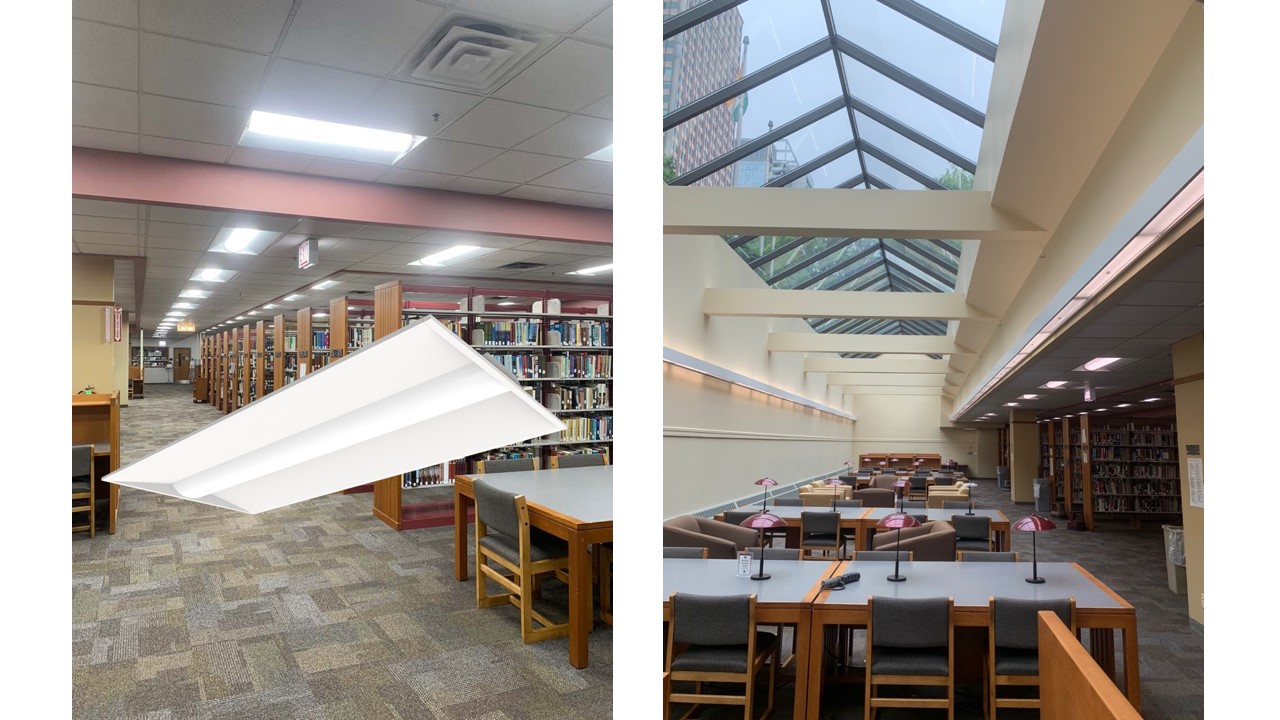
One of the most significant advantages of automated daylight harvesting sensors is their ability to reduce energy consumption. By relying more on natural light and less on artificial lighting, businesses can achieve substantial energy savings. This reduction in energy use not only lowers electricity bills but also contributes to a building's sustainability goals.
Proper lighting is crucial for creating a comfortable work environment. Automated daylight harvesting ensures that lighting levels are consistent and appropriate for various tasks. This consistency can lead to improved employee comfort and productivity, as workers are less likely to experience issues like eye strain or fatigue due to poor lighting conditions.
By cutting down on energy consumption, automated daylight harvesting sensors help reduce a building's carbon footprint. This not only benefits the environment but also enhances the reputation of businesses as environmentally conscious entities. Additionally, many companies can leverage these energy-efficient practices to qualify for green building certifications.

In office environments, lighting accounts for a significant portion of energy use. Implementing smart lighting solutions with daylight harvesting can lead to considerable energy savings. Moreover, the consistent lighting levels provided by these sensors create a more pleasant and productive workspace.
Retail businesses can benefit from daylight harvesting by creating an inviting atmosphere for customers. Proper lighting enhances product displays and can influence purchasing decisions. Automated sensors ensure that lighting is always optimal, regardless of the time of day or weather conditions.
Schools and universities can utilize automated daylight harvesting to create a conducive learning environment. Adequate lighting is essential for student concentration and performance, and smart lighting solutions can help maintain ideal conditions throughout the day.
In healthcare settings, lighting plays a critical role in patient care and recovery. Automated daylight harvesting sensors can help maintain appropriate lighting levels, which can positively impact patient mood and well-being. Additionally, energy savings in these facilities can be redirected to other essential services.
For businesses considering the implementation of automated daylight harvesting sensors, integration with existing lighting systems is often straightforward. Many modern lighting solutions are designed to be compatible with smart sensors, allowing for seamless upgrades without significant disruptions.
Automated daylight harvesting systems can be customized to meet the specific needs of a commercial space. Building managers can adjust settings to ensure that lighting levels are appropriate for different areas and activities. Additionally, advanced systems offer remote monitoring and control, providing flexibility and convenience.
While the initial investment in smart lighting solutions may be higher than traditional lighting systems, the long-term energy savings can offset these costs. Businesses should consider the potential return on investment when evaluating the feasibility of implementing automated daylight harvesting sensors.
The adoption of automated daylight harvesting sensors is expected to grow as more businesses recognize the benefits of energy-efficient lighting solutions. With advancements in technology, these sensors will become even more sophisticated, offering enhanced features and greater integration capabilities.
As the demand for sustainable building practices continues to rise, automated daylight harvesting sensors will play a crucial role in achieving energy efficiency and environmental goals. Businesses that embrace these smart lighting solutions will not only save on energy costs but also contribute to a more sustainable future.
Automated daylight harvesting sensors offer a practical and efficient solution for managing lighting in commercial spaces. By optimizing the use of natural light, these smart sensors reduce energy consumption, enhance indoor comfort, and support sustainability efforts. As more businesses adopt this technology, the benefits of smart lighting will become increasingly evident, paving the way for a greener and more efficient built environment.
