

Time:2025-10-28
In a world increasingly focused on energy efficiency and sustainability, automated daylight harvesting sensors are revolutionizing the way we illuminate our spaces. These sensors are at the forefront of lighting automation, offering both ecological and economic benefits. But what exactly are they, and how can they be integrated into existing lighting systems?
Daylight harvesting sensors are innovative devices designed to adjust electric lighting based on the amount of natural daylight available. By measuring the light levels in a room, these sensors can automatically dim or brighten electric lights to maintain optimal illumination.
The sensors are equipped with photocells that detect ambient light. When the sensors identify sufficient daylight, they reduce the output of electric lights, and when natural light diminishes, they increase lighting levels. This seamless adjustment ensures that spaces are always well-lit while minimizing energy consumption.
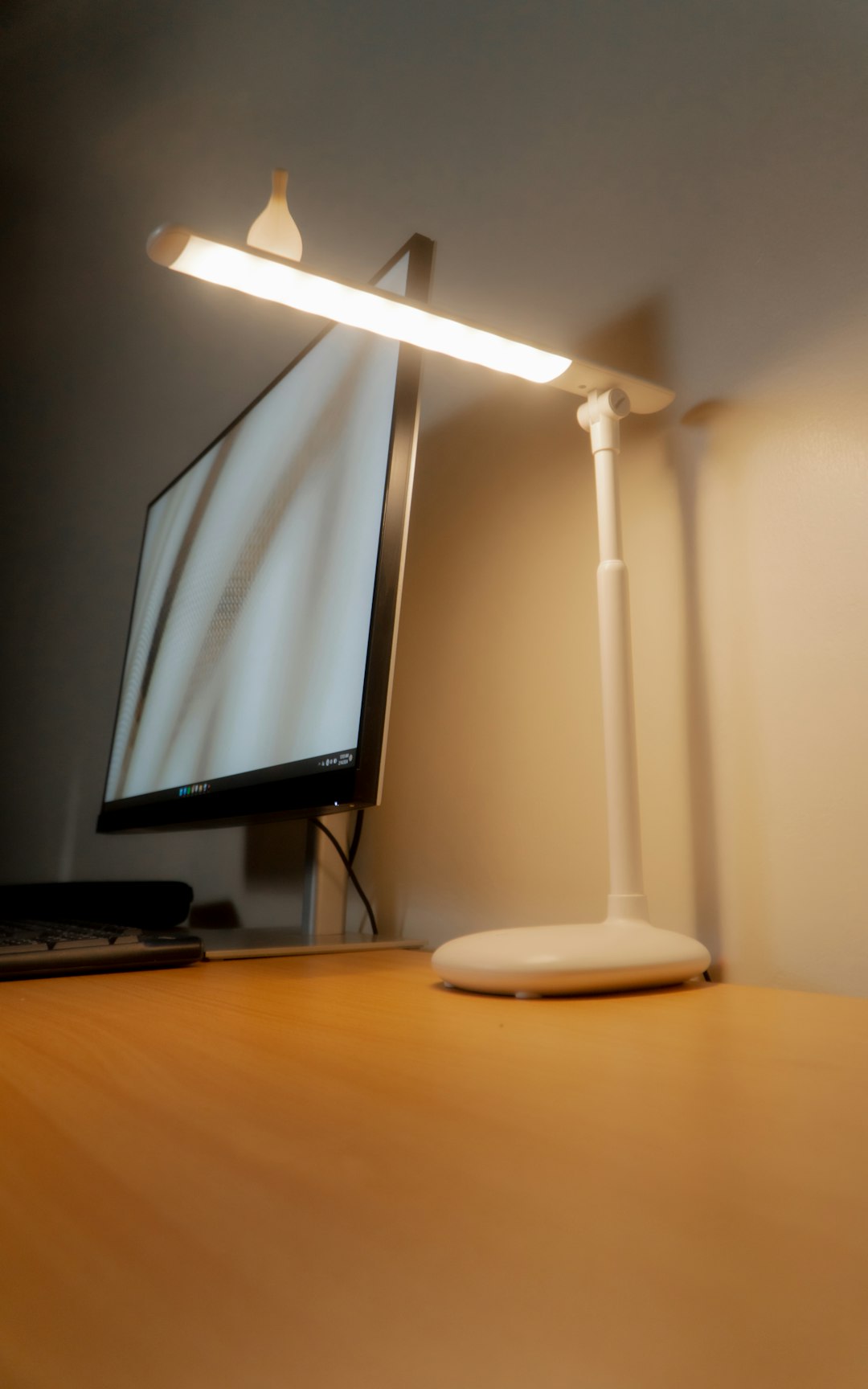
One of the most significant advantages of automated daylight harvesting sensors is their ability to reduce energy consumption. By relying more on natural light, businesses and homeowners can significantly cut down on electricity usage, leading to lower utility bills.
Automated lighting systems also help extend the lifespan of lighting fixtures. Since the lights are not used at full capacity continuously, they experience less wear and tear. This reduction in usage not only saves money on replacements but also contributes to environmental sustainability.
Proper lighting is crucial for comfort and productivity, whether in an office environment or at home. Automated lighting ensures consistent lighting conditions, which can reduce eye strain and create a more comfortable atmosphere conducive to work and relaxation.
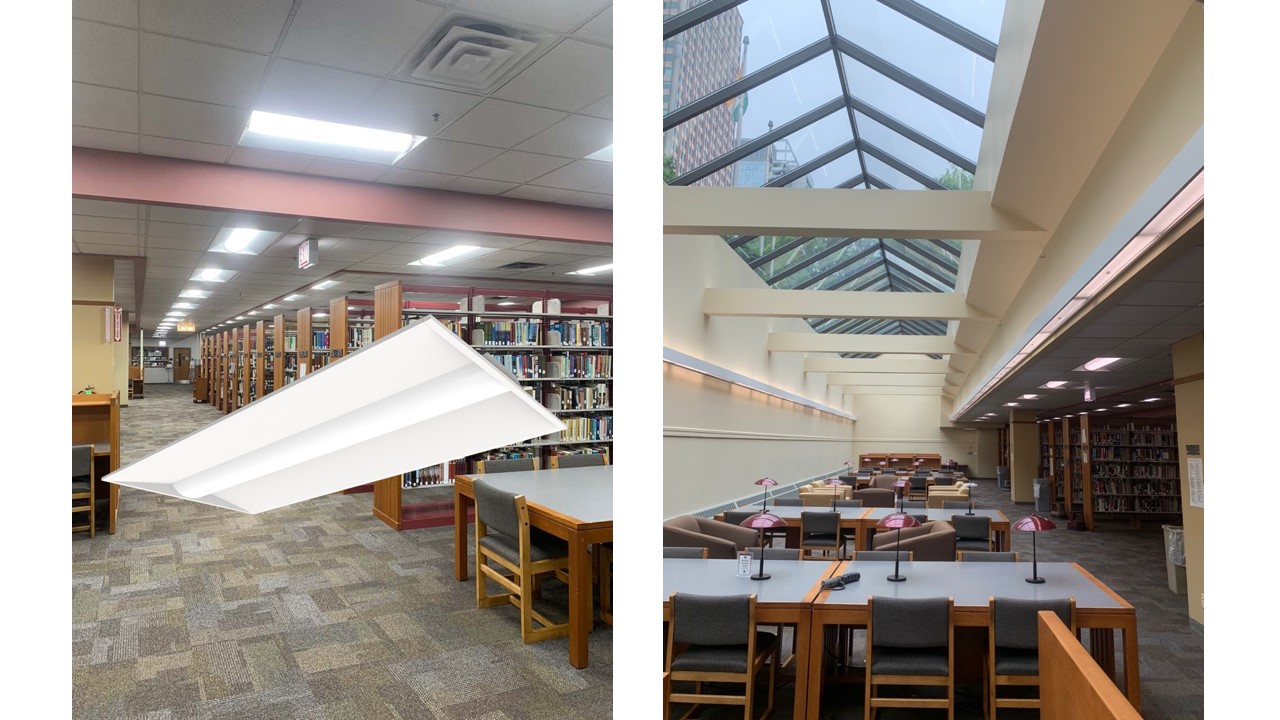
For those with existing lighting setups, retrofitting is a viable option. Many daylight harvesting systems are designed to integrate with current lighting infrastructures, making it easier to upgrade without a complete overhaul.
Incorporating automated daylight harvesting sensors into a smart home system is another popular option. These sensors can be connected to smart home hubs and controlled via apps, allowing users to customize lighting settings according to their preferences.
When installing daylight harvesting sensors, it’s essential to consider placement. Sensors should be positioned where they can accurately detect the amount of natural light entering the space. This might involve strategic placement near windows or skylights.

In commercial settings, daylight harvesting sensors are invaluable. Large office buildings, schools, and retail spaces can all benefit from reduced energy costs and improved lighting conditions. Many organizations are now incorporating these systems as part of their commitment to sustainability.
Homeowners are increasingly adopting automated lighting solutions for their energy-saving benefits and convenience. From living rooms to kitchens, daylight harvesting sensors can be used throughout the home to create an eco-friendly and comfortable living environment.
Public infrastructure, such as airports, train stations, and libraries, also stands to gain from daylight harvesting technology. These spaces, often large and with variable lighting needs, can achieve significant cost savings and improve user experience with automated lighting solutions.
As the Internet of Things (IoT) continues to expand, the integration of daylight harvesting sensors with other smart devices is becoming more prevalent. This connectivity allows for more sophisticated control over lighting and other environmental factors, enhancing efficiency and user experience.
The future of daylight harvesting includes advancements in sensor technology. New developments could lead to more precise measurements of light levels and more efficient systems that further reduce energy usage.
As awareness of environmental issues grows, more businesses and homeowners will likely turn to daylight harvesting and other sustainable technologies. This shift not only supports ecological goals but also drives innovation in the lighting industry.
Automated daylight harvesting sensors represent a significant step forward in lighting automation. By leveraging natural light, these sensors offer a practical solution for reducing energy consumption and improving lighting quality. Whether in commercial, residential, or public settings, the integration of daylight harvesting technology is a smart investment for a sustainable future.
Incorporating these systems requires careful planning and consideration, but the benefits are clear: reduced costs, longer-lasting lighting fixtures, and enhanced comfort. As technology continues to evolve, the role of automated lighting systems in creating sustainable environments will only grow.


)
)
)
)

+86 15899791249

+86 755 2955 3313


Address: Huafeng No.1 Science and Technology Park, Sanwei, Bao'an District, Shenzhen, Guangdong, China.
