

Time:2025-12-04
In the era of digital transformation and sustainability, built environments—from commercial offices and industrial facilities to healthcare centers and educational campuses—are increasingly embracing smart technologies to optimize operations. Among these innovations, automated lighting systems stand out as a foundational solution, redefining how lighting is managed by leveraging sensors, connectivity, and intelligent controls. Unlike traditional manual or timer-based lighting setups, automated lighting systems adapt in real time to human activity, natural light conditions, and operational needs, delivering unprecedented energy efficiency, user comfort, and operational agility. As organizations strive to reduce carbon footprints and enhance facility performance, automated lighting systems have become an indispensable component of modern smart building strategies.
The widespread shift toward automated lighting systems is fueled by three key imperatives: sustainability goals, operational efficiency demands, and evolving user expectations. Globally, businesses and institutions face mounting pressure to reduce energy consumption and greenhouse gas emissions—with lighting accounting for 15-25% of total energy use in most built environments. Automated lighting systems directly address this by eliminating energy waste, making them a critical tool for achieving sustainability targets.
Operational efficiency is another major driver. Traditional lighting management requires manual oversight—adjusting switches, replacing bulbs, and troubleshooting issues—all of which consume valuable staff time. Automated lighting systems minimize human intervention by self-regulating based on real-time data, freeing up facility teams to focus on core tasks. Additionally, the data generated by these systems provides actionable insights into lighting usage patterns, enabling further optimization of facility operations.
Evolving user expectations also play a role. Modern building occupants—whether employees, patients, or students—demand environments that adapt to their needs. Automated lighting systems create personalized, comfortable experiences by adjusting brightness, color temperature, and timing to align with human activity and circadian rhythms, enhancing well-being and productivity.
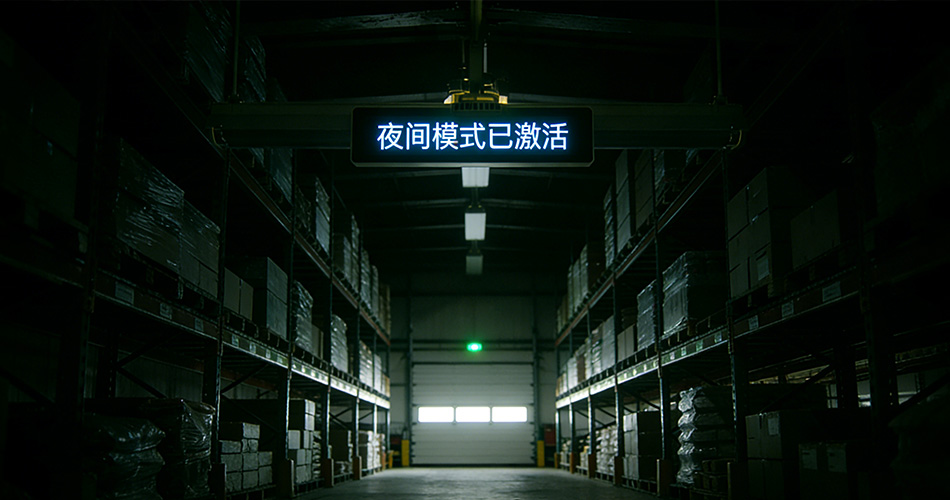
Automated lighting systems are versatile, with tailored applications across a wide range of built environments, each leveraging the technology to address unique challenges.
In commercial office buildings, automated lighting systems transform workplace experiences. Integrated occupancy sensors detect when employees enter or exit spaces, turning lights on/off or dimming them accordingly. Ambient light sensors harness natural light from windows and skylights, adjusting artificial lighting to maintain consistent brightness levels—reducing energy use while creating a glare-free work environment. Many systems also allow individual users to customize lighting preferences via mobile apps or desktop interfaces, balancing personal comfort with organizational energy goals.
Industrial facilities, including manufacturing plants and warehouses, rely on automated lighting systems to balance safety and efficiency. In large-scale production areas, motion sensors activate lighting only in active work zones, avoiding waste in vast unoccupied spaces. The systems can also sync with production schedules, increasing illumination during peak shifts and dimming during maintenance or off-hours. For high-risk areas, such as assembly lines or material handling zones, automated lighting systems ensure consistent, bright illumination to prevent accidents.
Healthcare environments, such as hospitals and clinics, benefit from the precision of automated lighting systems. Patient rooms use circadian lighting controls—adjusting color temperature from cool, bright light in the morning to warm, dim light in the evening—to support patient recovery and sleep cycles. Operating rooms feature task-specific lighting automation, delivering targeted, high-intensity illumination for surgical procedures while minimizing glare for medical staff. Additionally, the systems reduce energy waste in corridors and waiting areas by dimming lights during low-occupancy periods.
Educational institutions, from K-12 schools to universities, use automated lighting systems to create optimal learning environments. Classrooms integrate occupancy and light sensors to adjust lighting based on student presence and natural light, reducing eye strain and improving concentration. Auditoriums and lecture halls feature pre-programmed lighting scenes for lectures, presentations, and events, while outdoor pathways use motion-triggered lighting to enhance safety during evening hours.
While energy efficiency is a primary benefit, automated lighting systems deliver a range of additional advantages that enhance facility value.
Enhanced durability and reduced maintenance are key. By minimizing unnecessary operation (e.g., turning lights off in unoccupied zones), automated lighting systems reduce wear on bulbs and fixtures, extending their lifespan. This lowers the frequency of replacements and maintenance calls, cutting operational costs and reducing downtime. For example, a commercial office using automated lighting systems reported a 30% reduction in lighting maintenance costs within the first year of implementation.
Improved safety and security are also significant. Well-lit environments deter unauthorized access and reduce accident risks. Automated lighting systems ensure consistent illumination in high-traffic or high-risk areas, while motion-triggered lighting in parking lots, corridors, and outdoor spaces enhances safety after hours. Some systems integrate with security cameras, brightening lighting in areas where motion is detected to support surveillance efforts.
Data-driven decision-making is another critical advantage. Automated lighting systems collect data on energy use, occupancy patterns, and fixture performance, which can be analyzed to identify optimization opportunities. For instance, occupancy data can reveal underutilized spaces, enabling facility managers to reconfigure layouts for better efficiency. Energy use data can also help track progress toward sustainability goals and identify areas for further reduction.
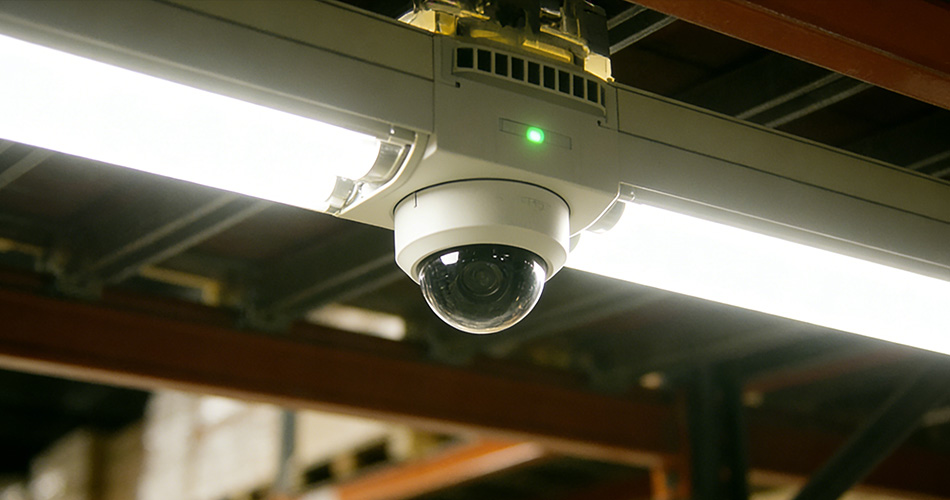
As smart building technology evolves, automated lighting systems are becoming increasingly intelligent and integrated, driven by advancements in AI, IoT, and connectivity.
Artificial intelligence (AI) and machine learning are elevating system capabilities. AI-powered automated lighting systems can analyze historical occupancy and usage data to predict lighting needs, proactively adjusting settings before a space is occupied. For example, the system can learn that a conference room is frequently used for morning meetings and pre-activate optimal lighting conditions, eliminating lag time and enhancing user experience. Machine learning also enables predictive maintenance, as the system can detect abnormal fixture performance and alert maintenance teams before failures occur.
Integration with the Internet of Things (IoT) ecosystem is another key trend. Automated lighting systems are increasingly connecting to other smart building technologies, such as HVAC, access control, and building management systems (BMS). This integration creates a holistic facility management approach: for example, lighting can sync with HVAC to reduce energy use during peak load periods, or adjust based on access control data (e.g., brightening lights when an employee swipes into a restricted area).
Advancements in wireless connectivity, such as 5G and low-power IoT protocols, are further enhancing the flexibility and reliability of automated lighting systems. Wireless systems are easier to install and scale, making them ideal for retrofits and expanding facilities. They also enable real-time control of large-scale lighting networks, supporting seamless operation in complex environments like airports or shopping malls.
In conclusion, automated lighting systems are more than just energy-saving tools—they are a cornerstone of smart, efficient, and user-centric built environments. Their ability to adapt to diverse applications, deliver multi-faceted operational benefits, and integrate with emerging technologies makes them indispensable for modern organizations. As AI, IoT, and connectivity continue to advance, automated lighting systems will become even more intelligent, helping businesses and institutions achieve new levels of sustainability, efficiency, and user satisfaction. For any organization looking to future-proof its facilities, investing in automated lighting systems is a strategic step toward long-term success.


)
)
)
)

+86 15899791249

+86 755 2955 3313


Address: Huafeng No.1 Science and Technology Park, Sanwei, Bao'an District, Shenzhen, Guangdong, China.
