

Time:2025-10-31
Outdoor photocell sensors are crucial components in many lighting systems. They ensure that lights automatically turn on at dusk and off at dawn, optimizing energy efficiency and extending the lifespan of lighting fixtures. However, to maintain their accuracy and reliability, these sensors must be properly calibrated. This document provides a comprehensive guide to outdoor photocell sensor calibration, including techniques, tools, and best practices.
Photocell sensors, also known as photoelectric cells, detect the presence of light and convert it into an electrical signal. This signal is used to control lighting systems, adjusting them according to the ambient light levels. By understanding how these sensors function, you can better appreciate the importance of calibration.
Light-Sensitive Element: Typically a semiconductor that responds to light exposure.
Control Circuit: Processes the signal from the light-sensitive element and triggers the lighting system.
Housing: Protects the sensor from environmental factors like moisture and dust.
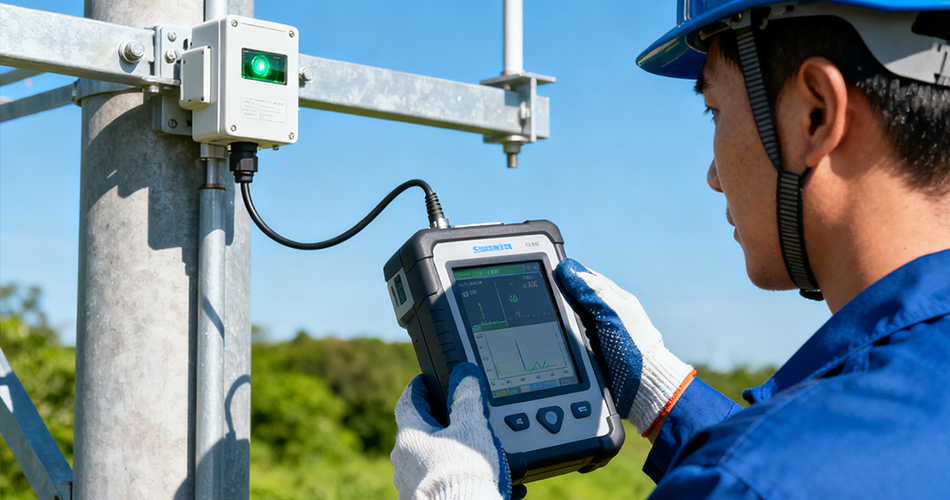
Calibration ensures that the photocell sensor accurately detects light levels, which is critical for efficient lighting control. Without proper calibration, the sensor might not respond correctly to changes in ambient light, leading to inefficient energy use and premature wear of lighting fixtures.
Energy Efficiency: Reduces unnecessary lighting operation during daylight.
Cost Savings: Decreases energy bills and maintenance costs.
Prolonged Equipment Lifespan: Minimizes wear and tear on lighting systems.
To calibrate outdoor photocell sensors, follow these steps:
Gather Tools: Multimeter, calibration light source, screwdriver, and protective gear.
Safety Measures: Ensure the power to the lighting system is turned off to prevent electrical hazards.
Visual Check: Inspect the sensor for physical damage or obstructions.
Clean the Sensor: Remove any dirt or debris that might affect its performance.
Measure Output Voltage: Use a multimeter to measure the sensor's output voltage in various lighting conditions.
Compare Readings: Ensure the readings match the expected values for the given light levels.
Access Control Circuit: Open the sensor housing to access the control circuit.
Calibrate Sensitivity: Adjust the sensitivity settings using a screwdriver to fine-tune the sensor's response to light changes.
Test in Real Conditions: Observe the sensor's performance during different times of the day to verify its accuracy.
Document Results: Record the calibration settings and test results for future reference.
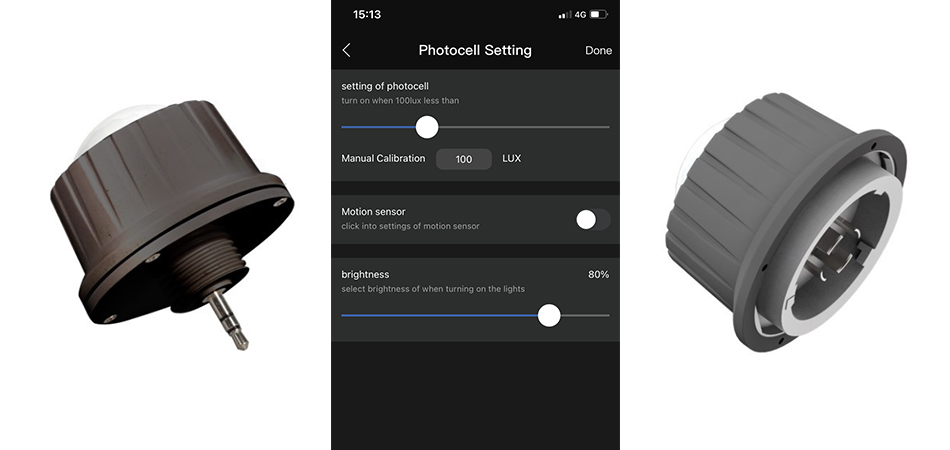
Regular maintenance and recalibration are essential to ensure the long-term accuracy of outdoor photocell sensors.
Quarterly Inspections: Conduct visual inspections and clean the sensor every three months.
Annual Calibration: Recalibrate the sensor at least once a year or after any significant environmental changes.
Inconsistent Lighting: Check for obstructions or damage to the sensor.
False Triggers: Recalibrate the sensitivity settings to reduce false positives or negatives.
No Response: Verify electrical connections and replace faulty components if necessary.
Outdoor photocell sensors play a vital role in energy-efficient lighting systems. By following the calibration techniques outlined in this document, you can ensure these sensors operate accurately and reliably. Regular maintenance and recalibration will not only enhance their performance but also contribute to significant cost savings and extended equipment lifespan. For further assistance, refer to the manufacturer's guidelines or consult a professional technician.
By implementing these best practices, you can optimize your lighting systems and enjoy the benefits of efficient and reliable outdoor illumination.
Related new
Outdoor Photocell Sensor Calibration: Cutting Labor Costs


)
)
)
)

+86 15899791249

+86 755 2955 3313


Address: Huafeng No.1 Science and Technology Park, Sanwei, Bao'an District, Shenzhen, Guangdong, China.
