

Time:2025-12-10
Ceiling lighting sensors are a cornerstone of modern automated lighting systems, enabling precise occupancy detection, ambient light monitoring, and energy-efficient control across commercial, institutional, and residential facilities. However, the success of these sensors hinges on proper ceiling lighting sensor installation—subpar installation can lead to inaccurate detection, frequent false triggers, and underwhelming energy savings. Unlike specialized retrofit procedures for specific ceiling types, ceiling lighting sensor installation requires a universal approach that adapts to diverse ceiling structures while prioritizing sensor functionality and long-term reliability. For facility managers, electrical contractors, and building owners, mastering proven ceiling lighting sensor installation practices is essential to maximizing the value of automated lighting investments.
Ceiling lighting sensor installation is more than just mounting a device—it directly influences sensor performance, system efficiency, and user satisfaction. Poorly installed sensors may have limited detection coverage, failing to recognize occupancy in critical areas or triggering lighting changes for non-occupancy events (e.g., floating debris, HVAC airflow). This not only reduces energy savings but also frustrates users, leading to manual overrides that negate the benefits of automation.
Additionally, improper ceiling lighting sensor installation can compromise ceiling integrity or violate electrical codes, creating safety hazards and potential compliance issues. For example, over-tightening mounting screws in fragile ceiling materials can cause cracks, while incorrect wiring may lead to short circuits or sensor malfunctions. In contrast, proper installation ensures sensors operate as intended, delivering consistent energy savings, enhancing user comfort, and minimizing maintenance costs over the sensor’s lifespan.
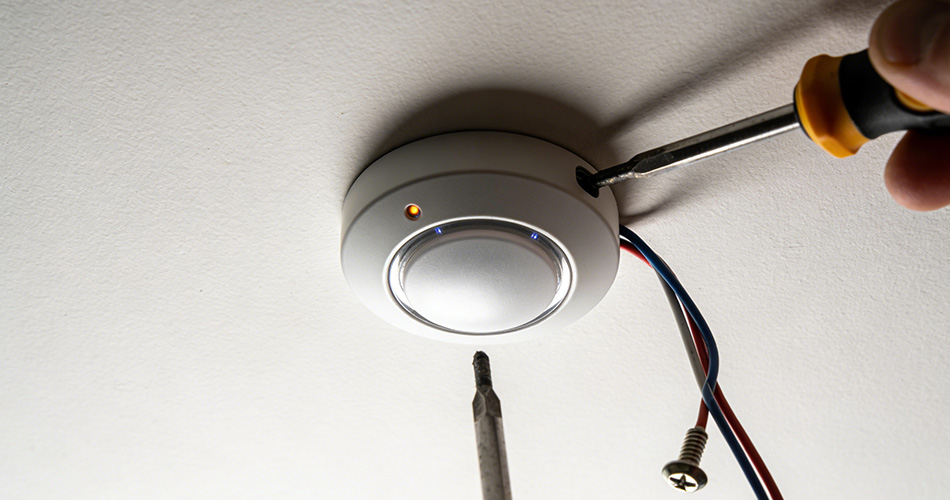
Effective ceiling lighting sensor installation begins with a thorough pre-installation assessment to address facility-specific factors and avoid common pitfalls:
First, evaluate ceiling type and structure. Different ceiling materials (e.g., drywall, suspended grid, metal, wood) require distinct mounting approaches. For example, suspended ceilings need bracket-based mounting to avoid damaging tiles, while solid drywall ceilings can accommodate direct mounting with appropriate anchors. Assessing ceiling height is also critical—taller ceilings may require sensors with wider detection angles or adjustable lenses to ensure full coverage.
Second, map occupancy and lighting needs. Identify high-traffic zones, critical occupancy areas, and zones with variable light requirements (e.g., areas with large windows). This mapping helps determine optimal sensor placement—for instance, installing occupancy sensors above open workspaces rather than in isolated corners, and positioning ambient light sensors away from direct sunlight to avoid skewed readings.
Third, verify electrical compatibility. Ensure the facility’s electrical system meets the sensor’s power requirements and that existing lighting controls (e.g., dimmers, switches) are compatible with automated sensors. For wireless sensors, check for potential signal interference from other building systems (e.g., Wi-Fi, HVAC) and plan placement to ensure reliable connectivity.
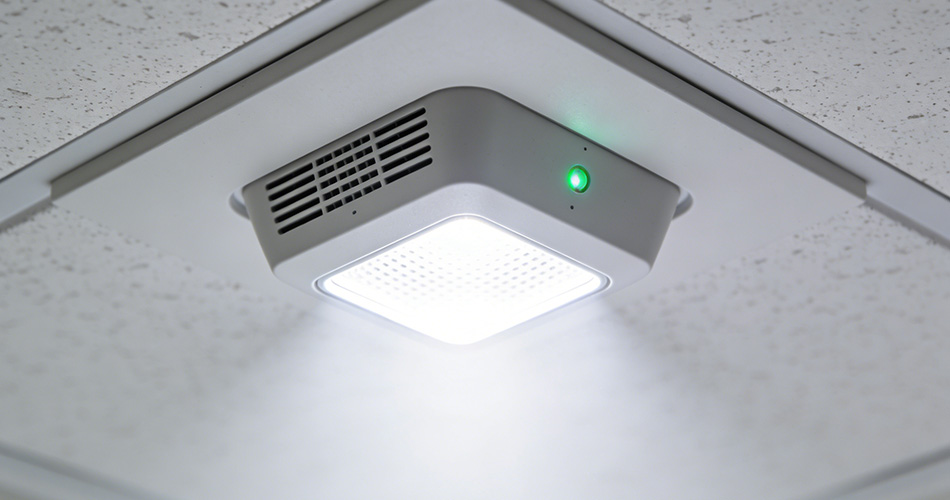
Following standardized, best-practice steps ensures consistent, high-quality ceiling lighting sensor installation across any facility type:
Step 1: Prioritize safety first. Always turn off power to the target lighting circuit at the main breaker before beginning installation. Use a voltage tester to confirm power is disconnected, eliminating electrical shock hazards. For suspended ceilings, stabilize tiles or grid members before accessing the ceiling cavity to avoid falls or structural damage.
Step 2: Select optimal mounting hardware. Choose hardware compatible with the ceiling type—e.g., toggle bolts for drywall, clamp-on brackets for suspended grids, or self-tapping screws for metal ceilings. Avoid generic hardware that may not support the sensor’s weight or withstand long-term use. For sensors requiring tile cutouts (in suspended ceilings), use manufacturer-provided templates to ensure precise, clean cuts that minimize tile damage.
Step 3: Position sensors for maximum coverage. Mount occupancy sensors at least 6-8 feet above the floor (adjusting for ceiling height) and aim them to cover the entire target zone without overlapping excessively with adjacent sensors (to avoid double-triggering). Ambient light sensors should be positioned to capture average room light, away from direct light sources or reflective surfaces that could distort readings.
Step 4: Complete wiring and connections (if applicable). For hardwired sensors, follow the manufacturer’s wiring diagram and local electrical codes. Secure wires with cable clips to avoid strain on connections and route them away from sharp edges or moving parts in the ceiling cavity. For wireless sensors, ensure batteries are fully charged or power sources are properly connected before mounting.
Step 5: Test and calibrate post-installation. Restore power and test sensor functionality—verify occupancy detection, ambient light response, and integration with lighting controls. Calibrate sensor settings (detection range, sensitivity, delay time) to match facility needs, adjusting to avoid false triggers or missed detections. Conduct a final walkthrough to ensure all sensors are properly aligned and lighting responds as intended.
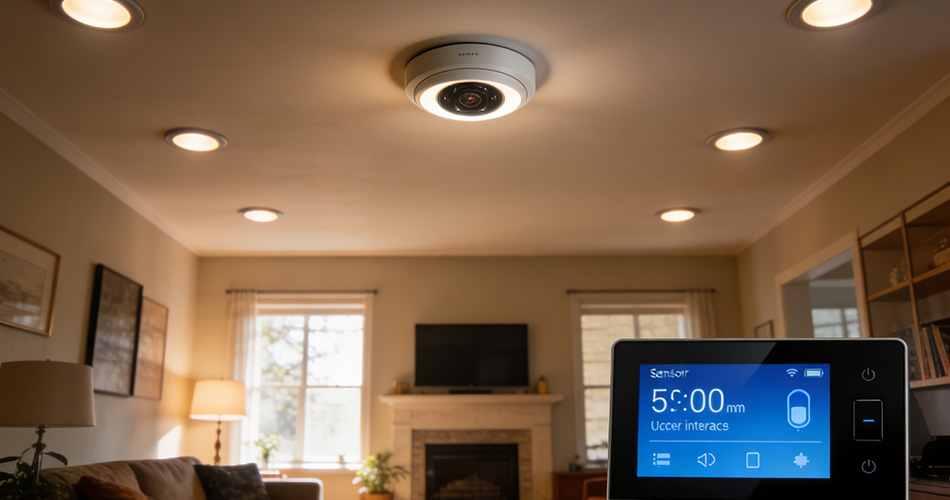
Ceiling lighting sensor installation must be tailored to specific ceiling types to ensure stability and performance:
Solid drywall/gypsum ceilings: Use toggle bolts or molly anchors for secure mounting, especially for heavier sensors. Pre-drill pilot holes to avoid cracking the drywall, and ensure anchors are fully expanded to distribute the sensor’s weight evenly. For recessed installation, use purpose-built recessed sensor housings that fit within ceiling joists.
Suspended grid ceilings: Opt for clamp-on or snap-fit brackets that attach to grid rails without damaging tiles. Avoid mounting sensors directly to ceiling tiles, as tiles may not support the weight over time. If tile cutouts are necessary, use a sharp utility knife and template to ensure the cutout matches the sensor’s dimensions exactly.
Metal ceilings: Use self-tapping metal screws or drill-and-tap hardware to mount sensors. Apply anti-corrosion treatment to screw holes to prevent rust, especially in humid environments (e.g., bathrooms, pools). For corrugated metal ceilings, use adjustable brackets to level the sensor and ensure proper detection angles.
Wooden ceilings: Use wood screws long enough to penetrate ceiling joists (for maximum stability) rather than just attaching to the ceiling surface. Pre-drill pilot holes to avoid splitting the wood, and choose screws with appropriate thread patterns for the wood type (e.g., softwood vs. hardwood).
Proper ceiling lighting sensor installation is just the first step—optimizing performance post-installation ensures long-term value:
First, avoid sensor overlap. If multiple sensors are installed in a large space, adjust their detection ranges to minimize overlap, which can cause conflicting signals and unnecessary lighting activation. Use zone-based control to group sensors with corresponding lighting fixtures.
Second, regularly clean sensors. Dust, dirt, or debris on sensor lenses can reduce detection accuracy. Schedule routine cleaning (quarterly or bi-annually) to keep sensors functioning optimally, especially in dusty environments (e.g., warehouses, manufacturing facilities).
Third, update settings as needed. Facility usage patterns may change over time (e.g., new workstations, altered operating hours). Periodically review and adjust sensor settings to align with current needs, ensuring continued energy savings and user comfort.
Advancements in sensor technology are simplifying ceiling lighting sensor installation and enhancing performance:
One trend is the rise of wireless, battery-powered sensors. These sensors eliminate the need for wiring, reducing installation time and enabling flexible placement—ideal for retrofits or facilities where wiring access is limited. Improved battery life (up to 5-10 years) also minimizes maintenance needs.
Another trend is smart installation tools. Mobile apps with augmented reality (AR) features help contractors visualize sensor placement and detection ranges before installation, ensuring optimal coverage. Some apps also provide step-by-step installation guides tailored to specific ceiling types and sensor models.
Finally, self-calibrating sensors. Modern sensors can automatically adjust their settings based on environmental conditions and occupancy patterns, reducing the need for manual calibration post-installation. This simplifies ceiling lighting sensor installation and ensures consistent performance even as facility usage changes.
In conclusion, ceiling lighting sensor installation is a critical factor in the success of automated lighting systems, requiring careful pre-assessment, adherence to best practices, and adaptation to diverse ceiling types. Proper installation ensures reliable sensor performance, maximum energy savings, and enhanced user comfort, while minimizing safety risks and maintenance costs. As wireless technology and smart tools advance, ceiling lighting sensor installation is becoming more accessible and efficient, making it easier for organizations to adopt automated lighting. For facility managers and contractors, prioritizing proper ceiling lighting sensor installation practices is a strategic investment that delivers long-term operational and environmental value.


)
)
)
)

+86 15899791249

+86 755 2955 3313


Address: Huafeng No.1 Science and Technology Park, Sanwei, Bao'an District, Shenzhen, Guangdong, China.
