

Time:2025-12-29
As smart building technologies gain widespread adoption, ceiling mounted occupancy sensors have become essential components for optimizing energy usage and enhancing space management. These sensors automatically detect human presence and adjust lighting, HVAC, and other systems accordingly, reducing energy waste in unoccupied areas. However, the performance of ceiling mounted occupancy sensors heavily relies on proper calibration. Ceiling mounted occupancy sensor calibration refers to the process of adjusting sensor parameters—such as detection range, sensitivity, and delay time—to match the specific characteristics of the installed space. Without accurate calibration, even high-quality sensors may fail to detect occupancy reliably, leading to energy inefficiency, user discomfort, and operational disruptions. For facility managers, building engineers, and property owners, mastering ceiling mounted occupancy sensor calibration is crucial to unlocking the full potential of smart building systems. This article explores the core significance, key application scenarios, standardized calibration procedures, and future trends of ceiling mounted occupancy sensor calibration, highlighting its indispensable role in smart building operations.
Uncalibrated ceiling mounted occupancy sensors pose significant challenges to building operations, undermining energy efficiency and user experience. One of the most common issues is false triggers—sensors incorrectly detecting occupancy and activating systems unnecessarily. For example, in a quiet office corridor, an uncalibrated sensor might be triggered by air currents, dust particles, or small pests, leading to lights staying on 24/7 and wasting energy. On the contrary, under-sensitivity is another critical problem: sensors fail to detect occupants in certain areas of the space, such as corners or under desks, leaving users in the dark or with inadequate HVAC support.
Another major drawback is mismatched delay time. If the delay time (the period after occupancy ends before systems turn off) is set too short, systems may shut down while users are still present—such as during a long meeting or focused work—causing frustration. If set too long, energy waste increases as systems remain active unnecessarily. Additionally, uncalibrated sensors may have inconsistent detection ranges, leading to overlapping coverage in some areas and coverage gaps in others. These issues not only increase energy costs but also damage the reliability of smart building systems, reducing user trust in automated controls. Ceiling mounted occupancy sensor calibration effectively addresses these problems by tailoring sensor performance to the unique needs of the space.
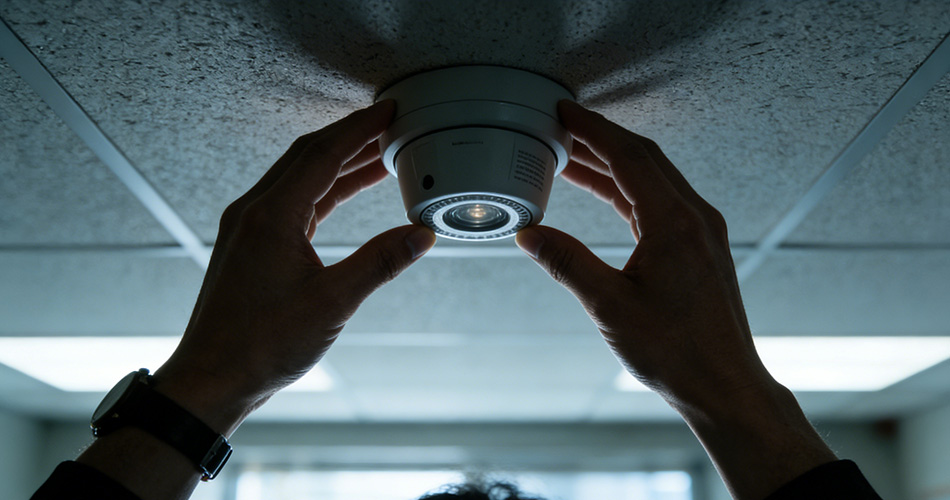
Ceiling mounted occupancy sensor calibration delivers three key benefits that are critical to smart building operations:
- Enhanced detection accuracy: Calibration adjusts the sensor’s sensitivity and detection range to match the layout, size, and usage patterns of the space. For example, in a large open office, calibration expands the detection range to cover the entire area, while in a small private office, it reduces sensitivity to avoid false triggers from external movements. This ensures that sensors only activate systems when actual occupancy is present, improving the reliability of automated controls.
- Optimized energy efficiency: Accurate calibration minimizes unnecessary system activation, significantly reducing energy consumption. Studies have shown that properly calibrated ceiling mounted occupancy sensors can reduce lighting energy usage by 30-50% in commercial buildings. By ensuring that lights, HVAC, and other systems turn off promptly when spaces are unoccupied, calibration lowers utility costs and supports sustainability goals.
- Improved user comfort and satisfaction: Calibration eliminates the frustration caused by false triggers and under-detection. Users no longer have to manually override sensors to turn on lights or adjust HVAC, and systems remain active for the appropriate duration during occupancy. This creates a more comfortable and convenient environment, enhancing employee productivity in offices, student focus in classrooms, and visitor experience in public buildings.
Certain environments have unique requirements that make ceiling mounted occupancy sensor calibration particularly critical. These scenarios demand high detection accuracy to balance energy efficiency and user experience:
- Hospital Diagnostic and Treatment Areas: Hospitals require precise occupancy detection to ensure lighting and medical equipment are active when needed, while conserving energy in unoccupied areas. In operating rooms, calibration ensures sensors detect medical staff even during low-movement procedures; in patient corridors, it prevents false triggers from medical carts or cleaning equipment, avoiding disruptions to patient rest.
- Smart Campus Classrooms and Lecture Halls: Classrooms and lecture halls have variable occupancy patterns—empty during breaks, full during classes, and with low movement during lectures. Ceiling mounted occupancy sensor calibration adjusts sensitivity to detect students and teachers even when they are seated and stationary. It also sets appropriate delay times to keep systems active throughout class periods without wasting energy during long breaks.
- Large Retail Store Warehouses: Retail warehouses have high ceilings, large open spaces, and occasional movement of staff and forklifts. Calibration optimizes the sensor’s detection range to cover the entire warehouse while reducing sensitivity to avoid false triggers from moving inventory or equipment. This ensures that lighting and ventilation systems are only active when staff are present, reducing energy costs for large, frequently unoccupied spaces.
- Corporate Open Office Spaces: Open offices have dense seating arrangements and constant but variable movement. Calibration adjusts the sensor’s detection range to avoid overlapping coverage between adjacent sensors (which can cause redundant system activation) and ensures sensitivity is high enough to detect occupants at their desks. This balances energy efficiency with employee comfort, ensuring lights and HVAC are active only in occupied zones.
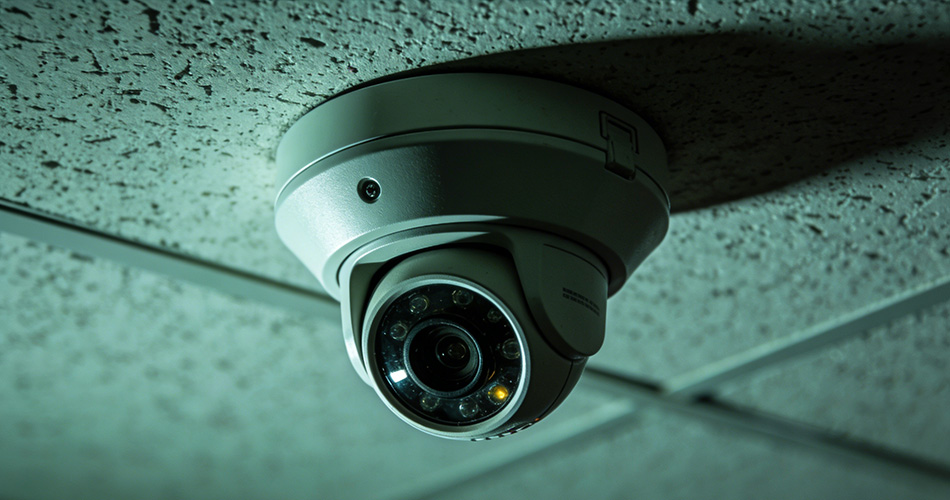
To achieve accurate and consistent results, follow this standardized ceiling mounted occupancy sensor calibration process:
- Pre-calibration Preparation: First, understand the space’s characteristics, including size, layout, ceiling height, usage patterns, and potential sources of interference (such as air vents, windows, or moving equipment). Clean the sensor’s lens to remove dust or debris, which can affect detection accuracy. Review the sensor’s user manual to familiarize yourself with adjustable parameters and calibration tools.
- Adjust Detection Range: Based on the space’s size and layout, adjust the sensor’s detection range. For large spaces, expand the range to ensure full coverage; for small or partitioned spaces, reduce the range to avoid detecting activity in adjacent areas. Use a test tool or walk-test method (walking around the space to verify detection) to confirm the range matches the desired coverage area.
- Set Sensitivity Level: Adjust the sensitivity to match the space’s usage patterns. For areas with low movement (such as lecture halls or libraries), increase sensitivity to detect stationary or slow-moving occupants. For high-traffic areas or spaces with potential interference (such as near air vents), reduce sensitivity to avoid false triggers. Conduct multiple test runs to ensure the sensor responds correctly to actual occupancy and ignores irrelevant movements.
- Configure Delay Time: Set the delay time (off-delay) based on how long the space is typically unoccupied before systems should turn off. For high-traffic areas like corridors, set a short delay (1-5 minutes); for areas with long-duration occupancy (such as offices or classrooms), set a longer delay (5-15 minutes). Test the delay time by leaving the space and verifying that systems turn off after the set period.
- Post-calibration Verification: After adjusting parameters, conduct a comprehensive verification. Monitor the sensor’s performance over a full day to ensure it accurately detects occupancy during peak and off-peak hours. Check for false triggers or under-detection and make minor adjustments as needed. Document the calibration parameters for future reference and maintenance.
Driven by advancements in smart building technology and IoT, ceiling mounted occupancy sensor calibration is evolving toward greater automation and intelligence:
- AI-Powered Automatic Calibration: Future sensors will integrate AI algorithms to automatically learn the space’s usage patterns and adjust calibration parameters in real time. For example, the sensor can detect peak occupancy hours, adjust sensitivity accordingly, and adapt to changes in the space (such as new partitions or furniture rearrangements) without manual intervention.
- Remote Calibration and Monitoring: Smart sensors will support remote calibration via cloud-based platforms. Facility managers can adjust parameters, run diagnostic tests, and verify performance from a central dashboard, eliminating the need for on-site visits. This reduces maintenance costs and ensures consistent calibration across multiple buildings or locations.
- Multi-Sensor Data Fusion for Calibration: Sensors will collaborate with other smart building devices (such as cameras, air quality sensors, or access control systems) to enhance calibration accuracy. For example, data from access control systems can confirm occupancy, helping the sensor avoid false triggers. This multi-sensor fusion ensures more reliable detection and calibration.
- Energy Optimization-Driven Calibration: Calibration algorithms will prioritize energy efficiency by analyzing energy usage data and adjusting parameters to minimize waste. For example, the sensor can reduce delay time during off-peak hours or adjust sensitivity based on energy pricing, further lowering utility costs while maintaining user comfort.
In conclusion, ceiling mounted occupancy sensor calibration is a critical step in ensuring the reliable performance and energy efficiency of smart building systems. By addressing the problems of uncalibrated sensors—such as false triggers, under-detection, and energy waste—calibration enhances user comfort and supports sustainability goals. Its importance is particularly pronounced in specialized environments like hospitals, classrooms, retail warehouses, and open offices. Following standardized calibration procedures ensures accurate and consistent results, while future trends like AI-powered automatic calibration and remote monitoring will further simplify the process and improve outcomes. For anyone involved in smart building design, installation, or maintenance, prioritizing ceiling mounted occupancy sensor calibration is a strategic choice to maximize the value of smart building investments and create more efficient, comfortable, and sustainable spaces.


)
)
)
)

+86 15899791249

+86 755 2955 3313


Address: Huafeng No.1 Science and Technology Park, Sanwei, Bao'an District, Shenzhen, Guangdong, China.
