

Time:2025-10-20
In the ever-evolving world of smart homes, ceiling mounted sensors are making a significant impact. These nifty devices not only enhance the functionality of our homes but also add a layer of convenience and security that was once unimaginable. In this article, we'll explore the benefits of ceiling mounted sensors, focusing on motion sensors and occupancy sensors, and how they can transform your living space into a true smart home.
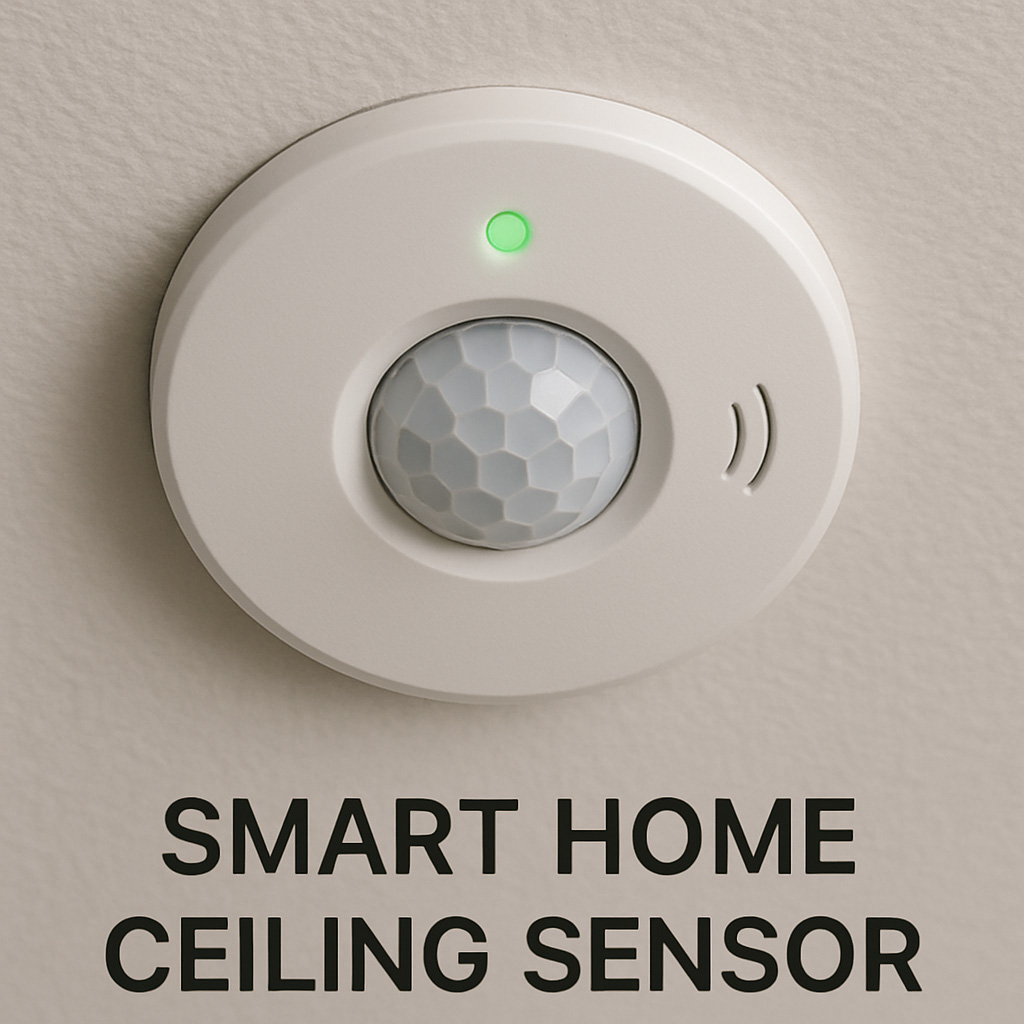
Before diving into their benefits, it's crucial to understand what ceiling mounted sensors are and how they work. Essentially, these sensors are devices installed on the ceiling that detect movement or presence within a room. They're often equipped with motion sensors or occupancy sensors to perform their tasks effectively.
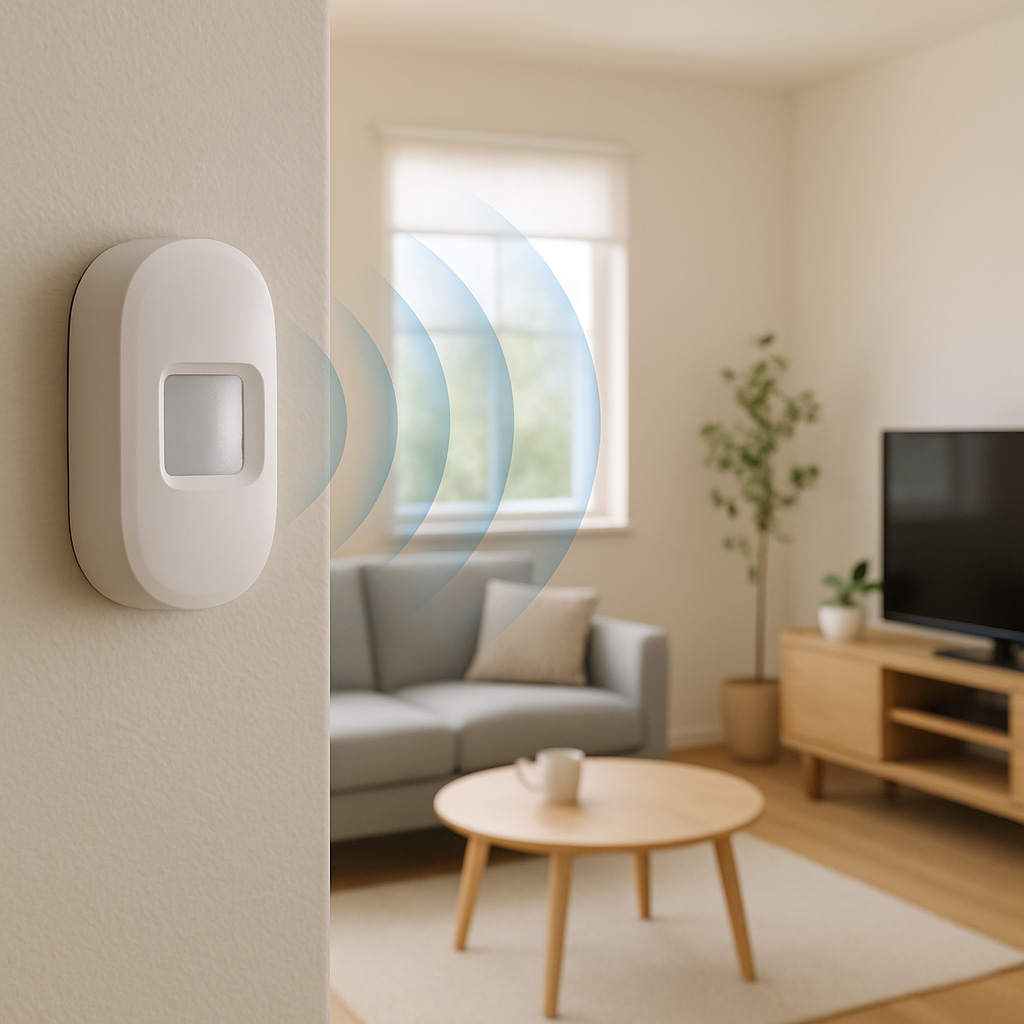
Motion sensors are designed to detect physical movement within a specified area. When movement is detected, the sensor sends a signal to trigger a specific action, such as turning on lights or activating security cameras. These sensors are commonly used in security systems, where they alert homeowners to potential intruders.
Occupancy sensors, on the other hand, are designed to detect the presence of people in a room. They can determine if a space is occupied or vacant, making them perfect for automating lighting systems and HVAC controls. By identifying whether a room is in use, these sensors help conserve energy by ensuring that lights and heating or cooling systems operate only when needed.
Now that we have a basic understanding of ceiling mounted sensors, let's dive into their benefits and how they can enhance your smart home experience.
One of the most significant advantages of ceiling mounted sensors is their ability to improve energy efficiency. By automating lighting and HVAC systems, these sensors reduce energy consumption and lower utility bills. For instance, occupancy sensors can ensure that lights are turned off when a room is unoccupied, eliminating the need for manual intervention and reducing wastage.
Ceiling mounted motion sensors play a crucial role in enhancing home security. By detecting movement in and around your home, these sensors can trigger alarms or notifications to alert you of potential threats. Moreover, they can be integrated with security cameras to start recording when movement is detected, providing you with valuable footage in case of a break-in.
Smart homes are all about convenience, and ceiling mounted sensors deliver on this front. With these sensors in place, you no longer need to fumble for light switches in the dark or worry about adjusting the thermostat. Motion sensors can automatically turn on lights when you enter a room, and occupancy sensors can ensure that your home's temperature is always just right.
Ceiling mounted sensors can seamlessly integrate with various smart home systems and devices. They can be connected to your smart home hub, allowing you to control and monitor them through a single app. This integration makes it easy to set up routines and automate tasks, further enhancing the smart home experience.
When selecting ceiling mounted sensors for your smart home, there are a few factors to consider:
Consider the specific needs of your home and choose between motion sensors and occupancy sensors. While motion sensors are ideal for security purposes, occupancy sensors are better suited for energy management and automation.
Ensure that the sensor you choose can cover the desired area effectively. Some sensors have a limited range, while others can cover larger spaces. Assess the layout of your home and select sensors that provide adequate coverage for each room.
Make sure that the sensors you choose are compatible with your existing smart home systems. Check for compatibility with your smart home hub, as well as any other devices you plan to integrate with the sensors.
Consider the ease of installation when selecting ceiling mounted sensors. Some sensors require professional installation, while others can be easily installed by homeowners. Assess your DIY skills and choose sensors that match your level of expertise.
To better understand the impact of ceiling mounted sensors, let's look at some real-life applications:
Ceiling mounted occupancy sensors can automate lighting and HVAC systems, ensuring that your home is always energy-efficient. For example, lights can automatically turn on when you enter a room and turn off when you leave, while the thermostat can adjust the temperature based on occupancy.
Motion sensors integrated with security systems can detect movement both inside and outside your home. This integration allows for real-time alerts and video recording, providing you with peace of mind and enhanced security.
Ceiling mounted sensors can also be used to monitor the activity of elderly family members, ensuring their safety and well-being. These sensors can detect unusual patterns, such as a lack of movement, and send alerts to caregivers or family members.
In office settings, occupancy sensors can optimize energy usage by controlling lighting and HVAC systems based on occupancy. This not only reduces energy costs but also creates a more comfortable working environment.
Ceiling mounted sensors are a game-changer in the realm of smart homes. Their ability to enhance energy efficiency, security, and convenience makes them an invaluable addition to any modern home. By choosing the right sensors and integrating them with your existing smart home systems, you can create a seamless, automated living experience that caters to your unique needs.
As technology continues to advance, the potential applications for ceiling mounted sensors will only grow, making them an essential component of the smart homes of the future.```


)
)
)
)

+86 15899791249

+86 755 2955 3313


Address: Huafeng No.1 Science and Technology Park, Sanwei, Bao'an District, Shenzhen, Guangdong, China.
