

Time:2025-10-16
In today's rapidly evolving world, the concept of smart homes is no longer a futuristic dream but a present reality. At the heart of this technological revolution are ceiling mounted sensors, which play a pivotal role in enhancing the functionality and convenience of modern living spaces.
Ceiling mounted sensors are devices installed on ceilings to monitor various aspects of a home environment. These sensors can detect motion, light levels, temperature changes, and even occupancy, providing valuable data that can be used to automate and optimize home systems.
These sensors typically use technologies such as infrared, ultrasonic, or microwave signals to detect movements and changes in the environment. When a sensor identifies a change, it sends a signal to a smart home hub or directly to smart devices, triggering a predefined action.
For example, if a ceiling mounted occupancy sensor detects movement in a room, it can automatically turn on the lights or adjust the thermostat to a comfortable setting. This seamless integration of technology makes daily living more convenient and energy-efficient.
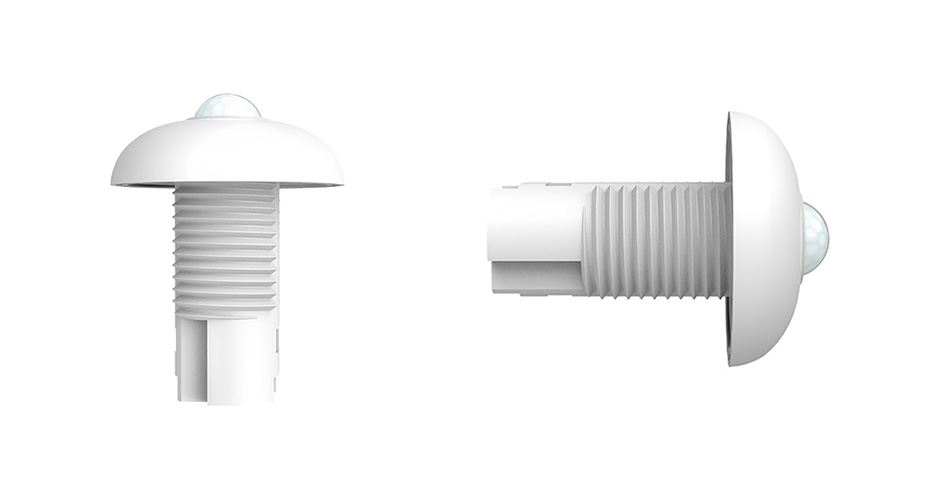
One of the most significant advantages of using ceiling mounted sensors is the potential for improved energy efficiency. By detecting when rooms are occupied or empty, these sensors can optimize the use of lighting and HVAC systems, reducing unnecessary energy consumption.
For instance, lights can automatically turn off when a room is unoccupied, or the thermostat can adjust to conserve energy when no one is home. This not only lowers utility bills but also contributes to a more sustainable lifestyle.
Ceiling mounted sensors also play a crucial role in enhancing home security. Occupancy sensors can detect unusual movements and send alerts to homeowners, providing an additional layer of security.
Moreover, these sensors can work in conjunction with security systems to trigger alarms or notify authorities in case of a breach, ensuring the safety of your home and loved ones.
Smart homes are all about convenience, and ceiling mounted sensors contribute significantly to this aspect. Imagine walking into a room, and the lights automatically turn on, or the blinds adjust to let in just the right amount of sunlight. These small conveniences make everyday tasks simpler and more enjoyable.
Additionally, ceiling mounted sensors can be integrated with voice assistants like Amazon Alexa or Google Assistant, allowing you to control your home environment with simple voice commands.
While the initial investment in smart home technology can be significant, the long-term savings on energy bills and the added value to your property can outweigh the costs. Ceiling mounted sensors help maximize these savings by ensuring that your home systems are only active when needed, reducing waste and wear and tear on devices.
Ceiling mounted sensors offer a high degree of customization and flexibility. Homeowners can set specific preferences and schedules for their devices, tailoring the smart home experience to their unique needs. Whether it's adjusting the lighting for different times of day or setting a specific temperature range, these sensors provide the tools to create a personalized living environment.
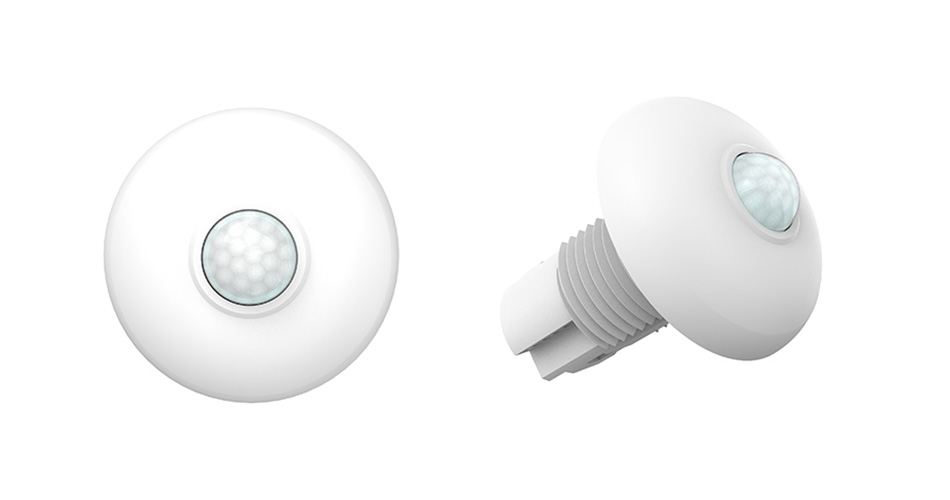
Occupancy sensors are designed to detect the presence of people in a space. They are commonly used to control lighting and HVAC systems to ensure they are only active when needed.
Motion sensors detect movement within a specific area and are often used for security purposes. They can trigger alarms or send notifications when unexpected motion is detected, adding an extra layer of protection to your home.
Light sensors measure the intensity of light in a room and can adjust artificial lighting accordingly. This feature is particularly useful for maintaining consistent lighting levels and saving energy by utilizing natural light whenever possible.
Temperature sensors monitor the ambient temperature in a room and can work in tandem with smart thermostats to maintain optimal climate conditions. This ensures comfort while also conserving energy.
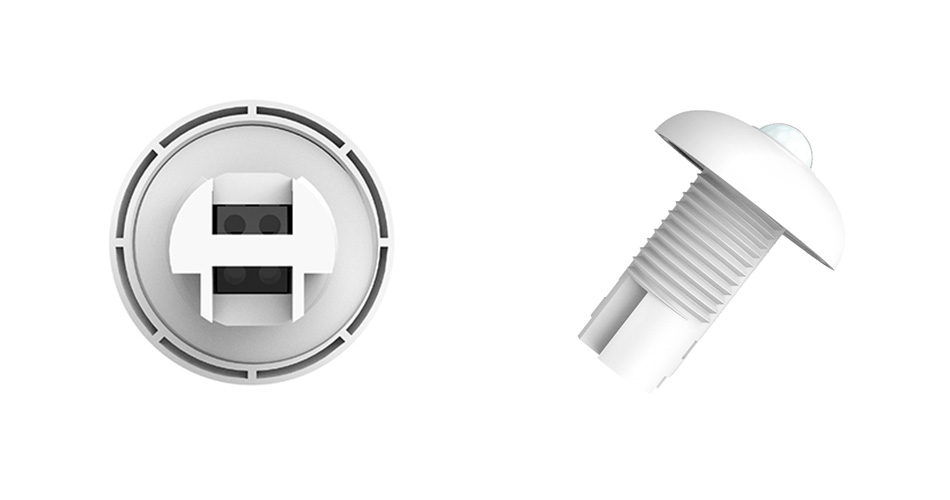
When selecting ceiling mounted sensors for your smart home, consider the following factors:
Compatibility: Ensure the sensors are compatible with your existing smart home system or hub.
Range and Sensitivity: Choose sensors with the appropriate range and sensitivity for your specific needs.
Installation: Consider the ease of installation and whether professional assistance is required.
Budget: Determine your budget and choose sensors that offer the best value for your investment.
Ceiling mounted sensors are a key component of smart home technology, offering numerous benefits such as energy efficiency, enhanced security, and increased convenience. By understanding the different types of sensors and how they work, homeowners can make informed decisions to optimize their living spaces.
As technology continues to advance, the potential for smart homes will only grow, making ceiling mounted sensors an essential part of the modern household.


)
)
)
)

+86 15899791249

+86 755 2955 3313


Address: Huafeng No.1 Science and Technology Park, Sanwei, Bao'an District, Shenzhen, Guangdong, China.
