

Time:2025-10-21
In today's rapidly evolving world, efficient energy management has become a cornerstone of modern infrastructure. As businesses and municipalities alike strive to reduce their carbon footprint and energy costs, integrating a central lighting management software platform emerges as a pivotal solution. This article explores the significance of this integration, its benefits, and practical steps to implement it effectively.
Central lighting management software is a system designed to control and monitor lighting across multiple locations from a single platform. This innovative technology enables users to manage lighting systems efficiently, ensuring optimal energy usage and reducing operational costs.
Integrating central lighting management software into your existing infrastructure allows for seamless control and monitoring of lighting systems. This integration facilitates real-time data collection, enabling informed decision-making and enhancing overall energy efficiency.

One of the primary advantages of integrating a central lighting management platform is improved energy efficiency. By providing precise control over lighting systems, organizations can significantly reduce energy consumption and lower utility bills. Automated scheduling, dimming, and daylight harvesting are just a few features that contribute to these savings.
With centralized control, managing multiple lighting systems becomes more straightforward and efficient. Facility managers can quickly identify and address issues, minimizing downtime and ensuring uninterrupted service. Furthermore, remote access capabilities mean that adjustments can be made without the need for on-site intervention.
Integrating a central lighting management platform results in substantial cost savings over time. Reduced energy consumption directly translates to lower utility bills, while improved operational efficiency minimizes maintenance and labor costs. Additionally, many organizations may qualify for energy rebates or incentives by adopting such systems.
By optimizing energy usage, central lighting management software contributes to a reduced carbon footprint. This environmentally friendly approach not only benefits the planet but also enhances an organization's reputation as a responsible corporate citizen.
Before integrating a new software platform, it's crucial to evaluate your existing lighting infrastructure. Identify the strengths and weaknesses of your current systems, and determine the necessary upgrades or modifications needed to ensure compatibility with the new platform.
Selecting the appropriate central lighting management software is critical to the success of your integration. Consider factors such as scalability, ease of use, and compatibility with your existing systems. Research different vendors and opt for a solution that meets your organization's unique needs.
Develop a comprehensive integration plan that outlines the necessary steps, timelines, and resources required for a successful implementation. This plan should include a detailed analysis of potential risks and contingencies, ensuring that the integration process runs smoothly.
Proper training is essential to ensure that your team can effectively utilize the new software platform. Provide comprehensive training sessions for all relevant personnel, covering topics such as system operation, troubleshooting, and maintenance.
Once the integration is complete, continuously monitor the performance of your lighting systems. Use the data collected by the software to identify areas for improvement and optimize energy usage. Regularly updating and maintaining the system will ensure it remains efficient and effective.

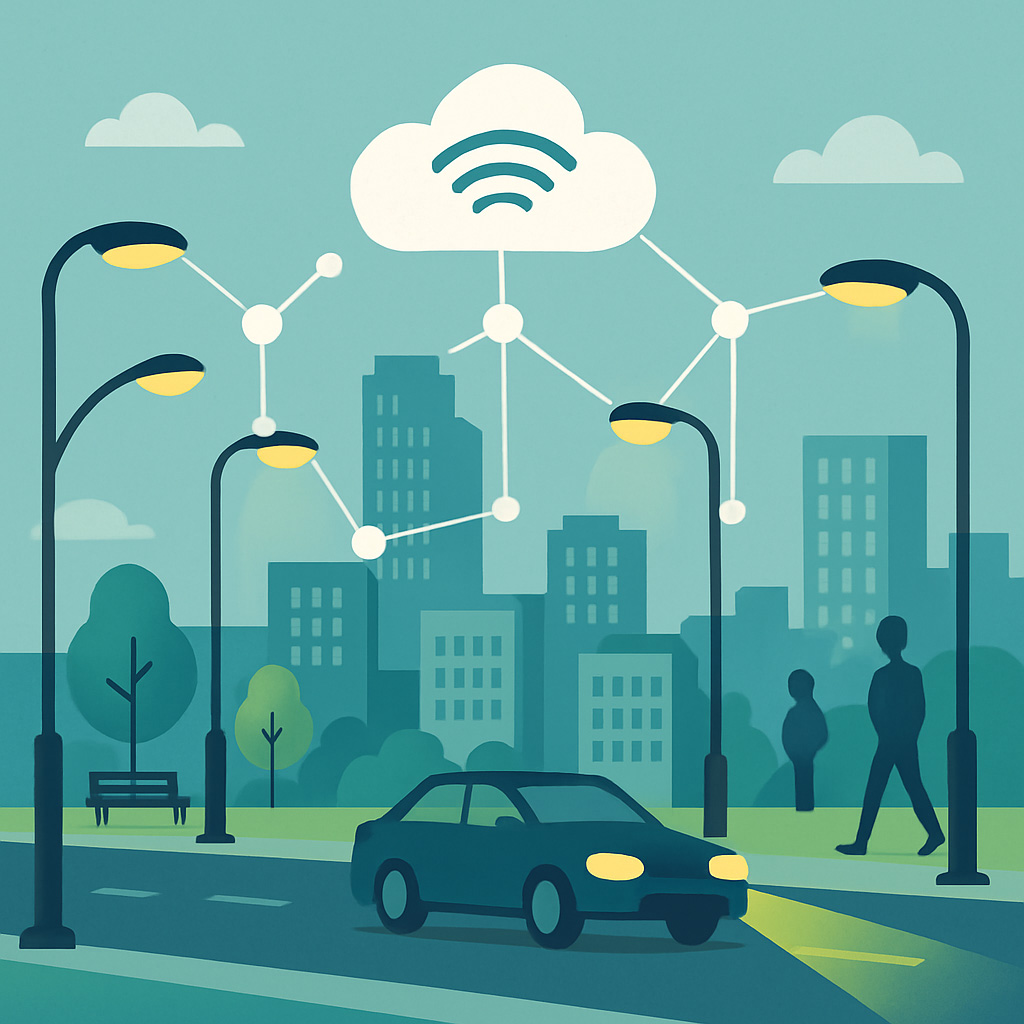
Many smart cities have adopted central lighting management software to enhance their energy efficiency and improve public services. By integrating these systems, cities can manage street lighting, reduce energy consumption, and improve safety for residents.
In commercial settings, central lighting management software helps businesses optimize their energy usage and reduce operational costs. This technology is particularly beneficial in large office buildings, shopping centers, and warehouses, where lighting plays a significant role in overall energy consumption.
Schools and universities can also benefit from integrating central lighting management platforms. By automating lighting schedules and optimizing energy usage, educational institutions can reduce costs and create a more comfortable learning environment for students and staff.
Integrating central lighting management software may present compatibility challenges with existing systems. It's essential to thoroughly assess your current infrastructure and address any potential issues before proceeding with the integration.
As with any digital platform, data security is a critical consideration. Ensure that the chosen software provider employs robust security measures to protect sensitive information and prevent unauthorized access.
The initial cost of integrating a central lighting management platform can be significant. However, the long-term savings and benefits often outweigh the initial investment, making it a worthwhile endeavor for many organizations.
Integrating a central lighting management software platform offers numerous benefits, including enhanced energy efficiency, improved operational efficiency, and significant cost savings. By following the outlined steps and considering the potential challenges, organizations can successfully implement this innovative technology and reap the rewards of a more efficient and sustainable lighting system. As the world continues to prioritize energy efficiency and sustainability, embracing central lighting management software integration is a crucial step toward a greener future.


)
)
)
)

+86 15899791249

+86 755 2955 3313


Address: Huafeng No.1 Science and Technology Park, Sanwei, Bao'an District, Shenzhen, Guangdong, China.
