

Time:2025-12-19
Campuses—encompassing sprawling teaching building clusters, dormitory zones, outdoor pathways, sports facilities, and public squares—face unique lighting management challenges, including scattered lighting points, diverse usage scenarios, and the need to balance energy efficiency with student safety. Traditional campus lighting management relies on decentralized switches, independent timers, or manual patrol adjustments, leading to inefficiencies, slow fault response, and difficulty in overall energy control. Centralized campus lighting management consoles emerge as a transformative solution, integrating real-time monitoring, unified scheduling, and data-driven optimization into a single platform. This innovation enables campus administrators to manage all lighting systems centrally, ensuring consistent illumination quality, enhancing safety, and reducing operational costs. For university facility managers, K-12 campus administrators, and smart campus planners, centralized campus lighting management consoles are a cornerstone of building efficient, safe, and sustainable educational environments. This article explores the core value, scenario-specific applications, implementation guidelines, and future trends of these consoles, highlighting their pivotal role in redefining campus lighting management.
Decentralized lighting management systems have long plagued campus operations with inherent inefficiencies and risks. Scattered lighting fixtures across large campuses require staff to patrol multiple zones for manual adjustments or fault repairs, consuming significant time and labor resources. For example, a fault in a remote campus pathway light may take days to be detected and fixed, posing safety hazards for students walking at night. Independent scheduling for different buildings (e.g., classrooms, dormitories, gyms) leads to inconsistent lighting timelines, such as lights remaining on in unoccupied classrooms or turning off too early in dormitory common areas.
Beyond operational inefficiencies, decentralized management makes it impossible to conduct holistic energy monitoring and optimization. Campuses often struggle to track lighting energy consumption across different zones, leading to wasteful usage and difficulty in meeting sustainability goals. Additionally, emergency response is delayed—during power outages, extreme weather, or campus events, administrators cannot quickly adjust lighting across the entire campus to ensure safety. Centralized campus lighting management consoles address these gaps by providing a unified control hub, enabling real-time oversight and agile adjustment of all campus lighting systems.
Centralized campus lighting management consoles deliver four key benefits that elevate campus lighting management beyond decentralized systems:
First, real-time centralized monitoring and fault alerting. The console provides a visual dashboard that displays the operating status (on/off, brightness, energy consumption) of every lighting fixture across the campus. When a fixture malfunctions (e.g., short circuit, dimming failure) or energy consumption exceeds thresholds, the system automatically sends alerts to administrators via sound, light, or mobile notifications. This enables quick fault location and repair, reducing downtime and safety risks—critical for large campuses with extensive lighting networks.
Second, unified scheduling and scenario-based control. Administrators can set unified or zone-specific lighting schedules via the console, aligning with campus routines (e.g., class times, dorm curfews, event schedules). For example, classroom lighting can be scheduled to turn on 30 minutes before morning classes and off 1 hour after evening classes, while dormitory pathway lighting can stay on until midnight. The console also supports one-click activation of scenario modes, such as “exam mode” (bright, uniform lighting in all test rooms) or “campus event mode” (enhanced lighting in squares and pathways).
Third, data-driven energy optimization and cost savings. The console collects and analyzes real-time energy consumption data across all campus lighting zones, generating detailed reports on usage trends, peak periods, and energy waste. Administrators can use this data to optimize schedules, adjust brightness levels, or identify inefficient fixtures, reducing overall lighting energy consumption by 25%-40%. This not only cuts utility costs but also supports campus sustainability initiatives, such as carbon neutrality goals.
Fourth, agile emergency response and safety enhancement. During emergencies—such as power outages, severe weather, or campus security incidents—administrators can use the console to quickly adjust lighting across the campus. For example, activating emergency lighting in all evacuation routes during a fire drill, or brightening lighting in specific areas during a security patrol. This agile response enhances student and staff safety, ensuring clear visibility in critical situations.
Centralized campus lighting management consoles are tailored to diverse campus scenarios, delivering targeted value across teaching, residential, sports, and outdoor zones:
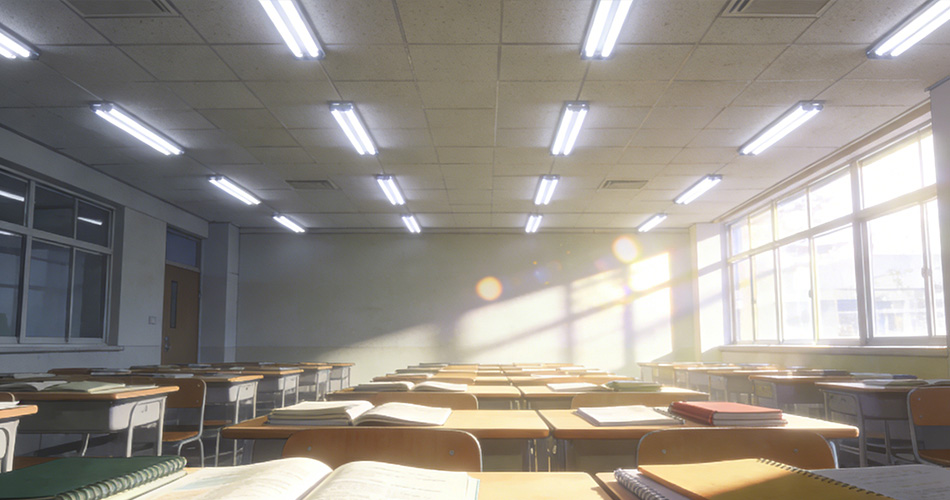
Teaching building clusters: Classrooms, lecture halls, and laboratories have varying lighting needs based on class schedules and teaching activities. The console enables unified scheduling of classroom lighting, ensuring lights are on only during class hours. For lecture halls and labs, administrators can set scenario modes (e.g., “lecture mode” with front-focused lighting, “lab mode” with uniform overhead lighting) and adjust them in real time via the console if teaching plans change.
Dormitory zones: Dormitory lighting includes indoor rooms, common areas, and surrounding pathways. The console schedules pathway lighting to stay on until dorm curfew and turns on night lights in common areas for late-returning students. Administrators can also remotely adjust lighting in individual dorm rooms (with appropriate permissions) to address issues like lights left on during vacations, reducing energy waste.
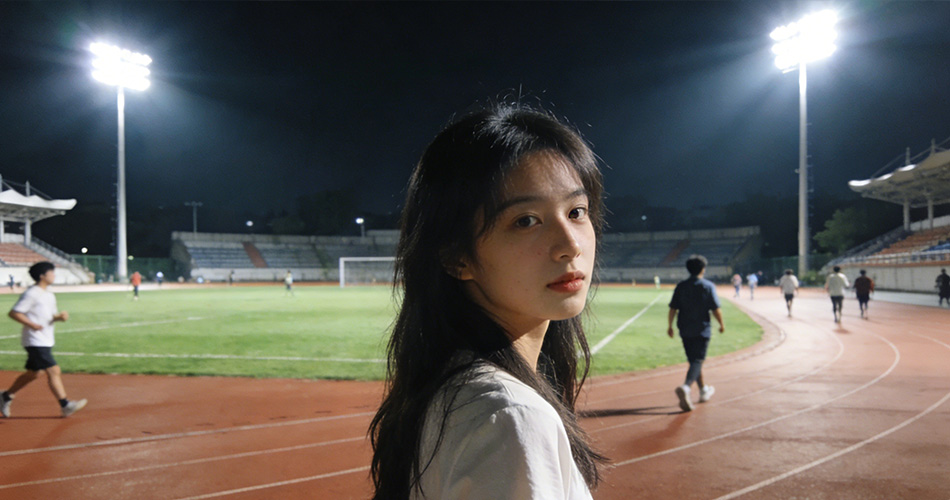
Campus outdoor areas (pathways, squares, parking lots): These zones are critical for student safety at night. The console monitors all outdoor lighting in real time, with motion sensors integrated to adjust brightness based on pedestrian flow—brightening when students are present and dimming during low-traffic periods. During campus events (e.g., graduation ceremonies, sports meets), administrators can quickly enhance lighting in squares and parking lots via the console.
Sports facilities (stadiums, gymnasiums): Sports venues require flexible lighting to accommodate training, competitions, and events. The console supports multi-mode lighting control, such as “training mode” (moderate brightness) and “competition mode” (high-brightness, uniform illumination). Administrators can schedule lighting based on training times and activate event-specific modes with one click, ensuring optimal lighting for athletes and spectators.
To maximize the value of centralized campus lighting management consoles, follow these strategic implementation guidelines:
First, conduct a comprehensive campus lighting audit. Before deployment, map all lighting fixtures (location, type, usage scenario) and analyze existing energy consumption and management pain points. This ensures the console is configured to address specific campus needs—such as prioritizing safety in remote pathways or energy optimization in teaching buildings.
Second, ensure system compatibility and scalability. Choose a console that supports industry-standard protocols (e.g., DALI, Zigbee, BACnet) to integrate with existing campus lighting fixtures and smart systems (e.g., campus security cameras, access control, energy management platforms). Select a scalable solution to accommodate future campus expansions, such as new buildings or additional lighting zones.
Third, establish hierarchical permission management. Design user roles and permission levels to ensure secure operation—for example, granting facility managers full access to all functions, while class teachers only have permission to adjust lighting in their assigned classrooms. This prevents unauthorized adjustments and ensures accountability for lighting management.
Fourth, provide professional training for administrators. Ensure campus facility staff are proficient in using the console’s features, including real-time monitoring, schedule setting, scenario activation, and fault handling. Offer ongoing technical support to address any operational issues, maximizing the system’s long-term efficiency.
As smart campus and IoT technologies advance, centralized campus lighting management consoles are evolving toward greater intelligence and integration:
One trend is AI-driven predictive management. Future consoles will use artificial intelligence to analyze historical lighting data, class schedules, and campus event calendars to predict lighting needs. For example, the system may automatically adjust classroom lighting schedules based on updated course timetables or predict peak energy consumption periods to optimize brightness levels proactively.
Another trend is integration with smart campus ecosystems. Consoles will sync seamlessly with other campus systems, such as student ID access control (activating lighting when a student enters a classroom) and weather monitoring (adjusting outdoor lighting brightness based on rain, fog, or darkness). This integration creates a cohesive smart campus environment, enhancing overall operational efficiency.
Finally, enhanced energy-saving features with renewable energy integration. Future consoles will link with campus solar panels or wind energy systems, prioritizing renewable energy for lighting. The system will adjust lighting schedules based on renewable energy generation levels, further reducing reliance on grid power and supporting campus sustainability goals.
In conclusion, centralized campus lighting management consoles are a transformative tool that redefines campus lighting management through real-time monitoring, unified control, and data-driven optimization. By addressing the inefficiencies of decentralized systems, enhancing student safety, and reducing energy costs, these consoles play a critical role in building smart, sustainable campuses. Through strategic implementation focused on campus-specific needs, compatibility, and staff training, educational institutions can unlock the full potential of this technology. As AI and smart campus technologies advance, centralized campus lighting management consoles will become even more intelligent and integrated, solidifying their role as a core component of modern educational environments. For any campus investing in smart transformation, prioritizing a robust centralized campus lighting management console is a strategic choice that delivers long-term operational efficiency, safety, and sustainability value.


)
)
)
)

+86 15899791249

+86 755 2955 3313


Address: Huafeng No.1 Science and Technology Park, Sanwei, Bao'an District, Shenzhen, Guangdong, China.
