

Time:2025-11-12
In the era of digital transformation, commercial smart lighting has emerged as more than just an energy-efficient alternative to traditional systems—it’s a catalyst for reimagining how businesses operate, engage with stakeholders, and uphold sustainability commitments. Unlike conventional lighting that merely illuminates spaces, commercial smart lighting integrates connectivity, automation, and data to create dynamic environments that adapt to human needs, operational demands, and environmental goals. From enhancing customer experiences in retail stores to boosting productivity in offices and ensuring safety in industrial facilities, commercial smart lighting is a versatile tool that drives tangible value across every commercial sector. This guide explores the innovative applications, transformative benefits, and strategic impact of commercial smart lighting for forward-thinking organizations.
While energy savings remain a core advantage, commercial smart lighting has evolved to address broader business challenges. Today’s solutions are designed as part of a connected ecosystem, working in tandem with IoT devices, building management systems (BMS), and data analytics platforms to deliver holistic value. What sets commercial smart lighting apart is its ability to bridge the gap between functionality and experience—turning static spaces into responsive environments that prioritize people, efficiency, and flexibility.
For businesses, this evolution means commercial smart lighting is no longer a “nice-to-have” but a strategic investment that supports long-term goals. Whether it’s reducing operational costs, enhancing brand perception, or improving employee well-being, commercial smart lighting aligns with key business objectives while future-proofing facilities against technological obsolescence. Unlike traditional lighting, which requires manual adjustments and offers limited visibility into usage patterns, commercial smart lighting provides real-time insights and control, empowering businesses to make proactive decisions that drive continuous improvement.
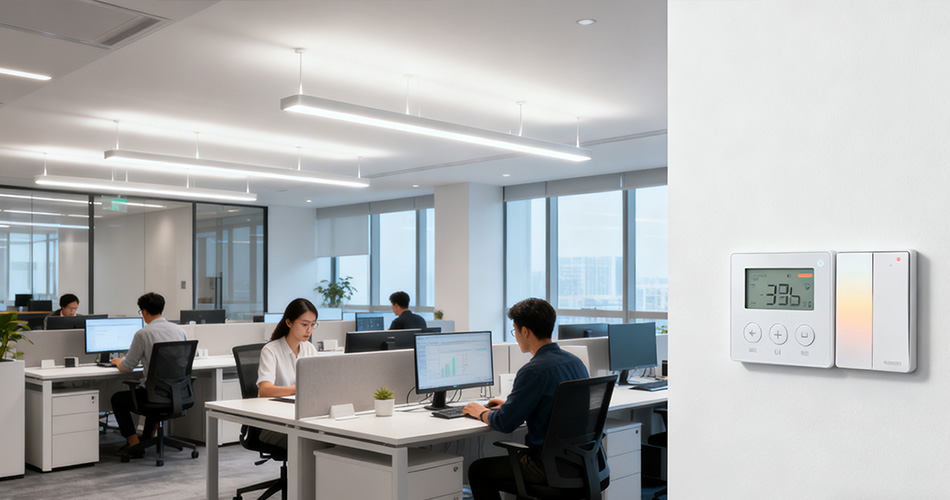
Commercial smart lighting’s ability to customize environments based on user needs is a game-changer for customer and employee satisfaction:
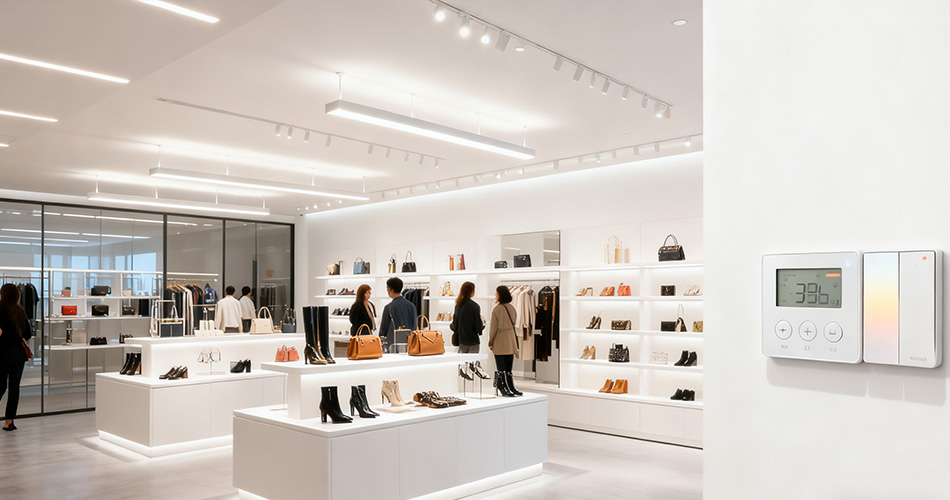
Retail & Hospitality: In retail, commercial smart lighting can be programmed to highlight product displays with targeted brightness and color temperatures, guiding customers through the store and increasing engagement with merchandise. Hospitality venues use dynamic lighting to create ambiance—warm tones for evening dining, bright, energizing light for morning lobbies—enhancing guest comfort and loyalty. For example, a boutique hotel chain in North America reported a 22% increase in positive guest reviews after upgrading to commercial smart lighting that adjusts to natural circadian rhythms.
Offices & Co-Working Spaces: Modern workplaces thrive on flexibility, and commercial smart lighting delivers by allowing employees to personalize their lighting preferences via mobile apps. Studies show that customizable lighting improves focus by 28% and reduces eye strain, leading to higher productivity and lower absenteeism. Additionally, occupancy-sensing commercial smart lighting can detect underused spaces, providing data to optimize office layouts and reduce real estate costs.
Healthcare & Education: In hospitals, commercial smart lighting supports patient recovery by mimicking natural light cycles, which regulates sleep patterns and accelerates healing. Educational institutions use adaptive lighting to keep students engaged—brighter light for lectures, softer tones for collaborative activities—improving learning outcomes.
Commercial smart lighting enhances operational efficiency by streamlining management and reducing waste:
Remote & Centralized Control: Cloud-based commercial smart lighting platforms allow facility teams to manage lighting across multiple locations from a single dashboard. This eliminates the need for on-site visits, cutting administrative time by 35% and enabling quick adjustments to meet changing needs—such as dimming lights during off-hours or brightening spaces for unexpected events.
Data-Driven Resource Allocation: Smart lighting systems collect data on usage patterns, energy consumption, and space utilization, providing businesses with actionable insights to optimize resources. For instance, a manufacturing plant used commercial smart lighting data to identify underutilized production zones, reducing energy waste by 29% and reallocating resources to high-priority areas.
Reduced Operational Downtime: Predictive maintenance features in commercial smart lighting alert teams to potential issues (e.g., faulty fixtures, connectivity problems) before they cause disruptions. This proactive approach reduces unplanned downtime by 40%, ensuring smooth operations for critical facilities like data centers and 24/7 warehouses.
As businesses face increasing pressure to reduce their environmental impact, commercial smart lighting has become a cornerstone of sustainability strategies:
Carbon Footprint Reduction: By combining LED technology with automation (occupancy sensing, daylight harvesting), commercial smart lighting cuts energy consumption by 30-70%, directly reducing greenhouse gas emissions. A global retail chain reduced its annual carbon footprint by 12,000 tons after deploying commercial smart lighting across 500 stores.
ESG Reporting Support: Commercial smart lighting systems track and document energy savings and sustainability metrics, simplifying ESG reporting and helping businesses meet regulatory requirements. Many solutions also integrate with renewable energy sources (e.g., solar panels), further enhancing sustainability credentials.
Circular Economy Alignment: Modular commercial smart lighting designs allow for component replacement rather than full fixture disposal, reducing waste and extending product lifecycles. This aligns with circular economy principles, which are increasingly valued by investors, customers, and regulatory bodies.
To maximize the impact of commercial smart lighting, businesses should adopt a structured approach:
Assess Current Needs & Goals: Identify key priorities—whether it’s enhancing customer experience, reducing energy costs, or improving safety—to tailor the solution to specific requirements. Conduct a thorough audit of existing lighting systems and operational workflows to identify pain points.
Choose Interoperable Solutions: Select commercial smart lighting platforms that integrate seamlessly with existing BMS, IoT devices, and software tools. Interoperability ensures a cohesive ecosystem and avoids siloed data, maximizing the value of the investment.
Prioritize User-Centric Design: Involve employees, customers, or tenants in the planning process to ensure the lighting system meets their needs. For example, office workers may value personalization, while retail customers benefit from ambiance-driven controls.
Invest in Change Management: Provide training to staff to ensure they can fully utilize the system’s features. This includes teaching teams how to adjust settings, access data insights, and troubleshoot basic issues, ensuring the solution delivers maximum value.
Measure and Optimize: Establish key performance indicators (KPIs)—such as energy savings, productivity metrics, or customer satisfaction scores—to track the system’s impact. Regularly review data and adjust settings to optimize performance over time.
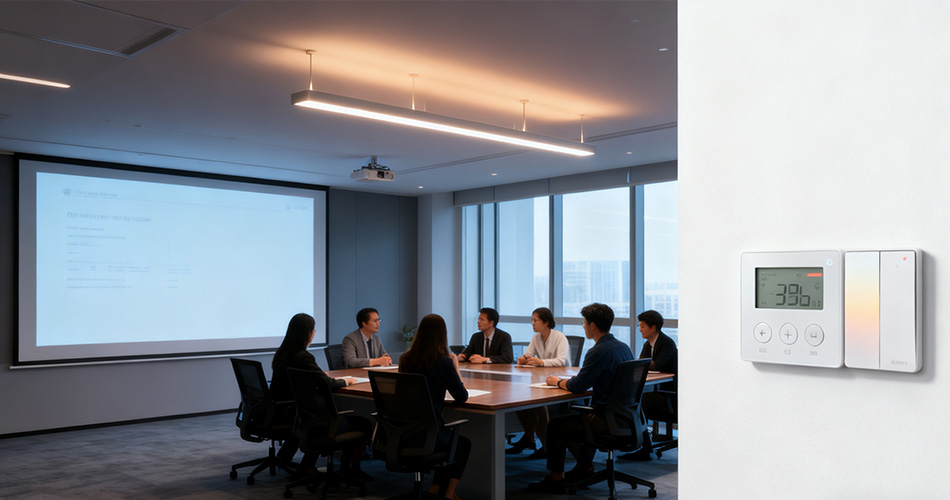
The potential of commercial smart lighting continues to expand with advancements in AI, machine learning, and IoT connectivity. Future trends include:
AI-Powered Personalization: Systems that learn user preferences and adjust lighting automatically, creating hyper-tailored environments for employees and customers.
Integration with Smart Cities: Commercial smart lighting that connects to city-wide networks, supporting traffic management, public safety, and energy grid optimization.
Health-Focused Features: Lighting solutions that incorporate biometric data to adjust brightness, color temperature, and intensity based on individual health needs, further enhancing well-being in workplaces and public spaces.
Commercial smart lighting is a transformative technology that goes beyond illumination to redefine how businesses operate, engage with stakeholders, and contribute to a sustainable future. By prioritizing user experience, operational agility, and environmental responsibility, commercial smart lighting delivers tangible value that impacts the bottom line and builds competitive advantage. Whether upgrading a single facility or scaling across a global network, businesses that invest in commercial smart lighting are not just adopting a new technology—they’re embracing a strategic approach to building more efficient, resilient, and people-centric spaces. As innovation continues to drive the industry forward, commercial smart lighting will remain a critical asset for businesses looking to thrive in the digital age.


)
)
)
)

+86 15899791249

+86 755 2955 3313


Address: Huafeng No.1 Science and Technology Park, Sanwei, Bao'an District, Shenzhen, Guangdong, China.
