

Time:2025-11-13
For businesses operating in existing commercial buildings, commercial smart lighting retrofit solutions have become the gold standard for upgrading outdated systems without the cost and disruption of full renovations. These solutions go beyond simple bulb replacements—they integrate intelligent controls, connectivity, and data-driven insights to transform lighting from a passive utility into an active driver of operational excellence. Whether you’re managing an office tower, warehouse, retail center, or healthcare facility, commercial smart lighting retrofit solutions offer a scalable, cost-effective path to reduce energy waste, enhance user experiences, and meet sustainability targets. This article explores the core value propositions, Contextual Advantage,and critical success factors of implementing commercial smart lighting retrofit solutions in existing spaces.
Unlike new construction projects that allow for seamless integration of smart systems, existing buildings face constraints—legacy wiring, outdated infrastructure, and limited downtime for upgrades. Commercial smart lighting retrofit solutions are engineered to overcome these barriers, delivering three transformative benefits that justify investment:
The most immediate ROI from commercial smart lighting retrofit solutions comes from energy and maintenance savings. By combining LED technology with smart controls (occupancy sensors, daylight harvesting, scheduled dimming), these solutions cut lighting energy consumption by 30-70% compared to traditional fluorescent or incandescent systems. For a 100,000-square-foot office building, this translates to annual savings of \(15,000-\)35,000 on utility bills. Additionally, smart LED fixtures have lifespans of 50,000-100,000 hours—eliminating quarterly bulb replacements and reducing maintenance labor costs by 40-60%. Unlike one-time efficiency gains from basic retrofits, commercial smart lighting retrofit solutions deliver ongoing savings by adapting to usage patterns, ensuring no energy is wasted on unoccupied spaces.
Commercial smart lighting retrofit solutions empower businesses with unprecedented control over their lighting environments. Cloud-based management platforms allow facility teams to adjust lighting across multiple locations from a single dashboard, schedule changes for peak/off-peak hours, and even customize settings for specific zones (e.g., brightening retail displays or dimming meeting rooms). For multi-tenant buildings or distributed operations, this agility means tenant-specific lighting preferences can be accommodated without on-site visits, while real-time energy usage data helps identify inefficiencies and optimize resource allocation. In industrial settings, zone-based controls and motion sensing ensure lighting is only active in high-traffic areas (e.g., loading docks, assembly lines), reducing glare and energy waste while improving safety.
As investors, customers, and regulators prioritize environmental responsibility, commercial smart lighting retrofit solutions have become a cornerstone of ESG strategies. By reducing energy consumption, these solutions directly lower carbon footprints—for example, a mid-sized retail chain with 50 locations can cut annual emissions by 800+ tons after implementing smart retrofits. Many commercial smart lighting retrofit solutions also include energy tracking and reporting features, simplifying ESG disclosures and compliance with standards like LEED, BREEAM, or the EU’s Corporate Sustainability Reporting Directive (CSRD). Additionally, modular designs and recyclable components align with circular economy principles, reducing waste from fixture replacements and enhancing brand reputation as a sustainable leader.
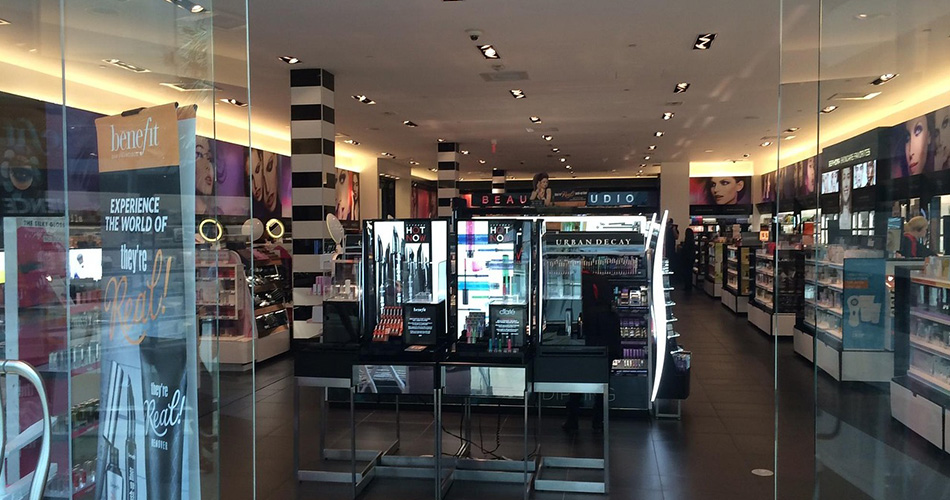
Commercial smart lighting retrofit solutions are not one-size-fits-all—they are tailored to address the unique needs of different commercial sectors:
For offices, commercial smart lighting retrofit solutions prioritize employee productivity and comfort. Key features include:
Circadian rhythm adjustment (bright, cool light for morning focus; warm, dim light for afternoons)
Individualized control via mobile apps (employees can adjust lighting at their workstations)
Space utilization data (identifies underused areas to optimize floor plans)
Integration with HVAC systems (coordinates lighting and temperature for energy efficiency)
Impact: A 2023 study of office retrofits found that commercial smart lighting solutions improved employee satisfaction by 27% and reduced absenteeism by 12%, thanks to personalized, eye-friendly lighting.
Industrial spaces require durable, safety-focused solutions—commercial smart lighting retrofit solutions deliver with:
High-bay LED retrofits (replace energy-hungry metal halide fixtures)
Motion-activated lighting for 24/7 operations (reduces energy use in low-traffic storage zones)
Emergency backup integration (ensures visibility during power outages)
Dust/water-resistant components (IP65+ ratings for harsh environments)
Impact: A distribution center in Chicago reduced annual lighting costs by $29,000 after retrofitting with smart high-bay solutions, while motion sensing eliminated glare-related safety incidents in narrow aisles.
In retail and hospitality, commercial smart lighting retrofit solutions drive customer engagement and brand experience:
Dynamic display lighting (adjusts brightness/color to highlight merchandise or create ambiance)
Schedule-based controls (brightens lobbies during check-in hours, dims dining areas at night)
Foot traffic analytics (links lighting patterns to customer movement for layout optimization)
Integration with POS systems (triggers promotional lighting for sales or events)
Impact: A boutique clothing chain reported a 15% increase in sales of featured products after using commercial smart lighting retrofit solutions to highlight displays, while a hotel chain improved guest satisfaction scores by 21% via personalized room lighting controls.
Healthcare retrofits demand compliance, patient-centricity, and reliability—commercial smart lighting retrofit solutions meet these needs with:
Clinical-grade lighting (glare-free, consistent brightness for exam rooms and operating theaters)
Circadian lighting for patient rooms (supports sleep and recovery)
Hygienic, easy-to-clean fixtures (compliant with infection control standards)
Emergency lighting sync with alarm systems (guides staff/patients to safety)
Impact: A community hospital reduced energy costs by 42% and reported a 18% improvement in patient sleep quality after retrofitting with smart clinical lighting solutions.
To maximize the value of commercial smart lighting retrofit solutions, businesses should focus on three key steps:
Before selecting a solution, audit your existing infrastructure to:
Map current fixture types, wiring, and control systems (to ensure compatibility)
Analyze energy bills and maintenance records (to establish baseline costs)
Evaluate space usage patterns (e.g., 24/7 vs. 9-5 operation)
Identify pain points (e.g., frequent bulb failures, poor visibility, high energy bills)
This audit ensures commercial smart lighting retrofit solutions are tailored to your facility’s unique constraints and goals, avoiding over-specification or compatibility issues.
Existing buildings often have legacy systems (BMS, wiring, IoT devices)—choose commercial smart lighting retrofit solutions that integrate seamlessly with these assets to avoid costly infrastructure overhauls. Modular systems are ideal, as they allow for phased implementation (e.g., retrofitting one floor at a time) and future expansion (e.g., adding sensors or analytics tools as needs evolve). Look for solutions with open protocols (Zigbee, Bluetooth, Wi-Fi) that support integration with third-party systems, ensuring flexibility as technology advances.
Even the most advanced commercial smart lighting retrofit solutions fail if end-users don’t leverage their features. Provide training for facility teams on remote management, data analytics, and troubleshooting, and educate employees/tenants on how to use personalized controls. For example, teaching office staff to adjust lighting via mobile apps increases feature utilization by 60%, amplifying energy savings and satisfaction. Post-implementation, collect feedback and make adjustments—this iterative approach ensures the solution continues to meet evolving needs.
Commercial smart lighting retrofit solutions are more than an upgrade—they are a strategic investment that transforms existing buildings into efficient, sustainable, and user-centric spaces. By delivering measurable cost savings, operational agility, and ESG compliance, these solutions address the most pressing challenges facing businesses today. Whether you’re retrofitting a small office or a global network of facilities, commercial smart lighting retrofit solutions offer a scalable, low-disruption path to unlock long-term value. The key to success lies in aligning the solution with your specific sector needs, prioritizing compatibility with legacy systems, and ensuring user adoption through training. In an era where efficiency and sustainability are competitive differentiators, commercial smart lighting retrofit solutions are the smart choice for businesses looking to thrive in the digital age.
Related news
How Smart Lighting Solutions Reduce Energy Costs | LumiEasy
Commercial Lighting Cost Analysis Comparison Report: A Guide to Smart Investments for Businesses
Commercial Smart Lighting Energy Savings: Proven Strategies to Cut Costs & Boost Sustainability
Industrial Warehouse Smart Lighting: Comprehensive Solutions & Best Practices
Industrial Smart Lighting Solutions for Factories and Warehouses


)
)
)
)

+86 15899791249

+86 755 2955 3313


Address: Huafeng No.1 Science and Technology Park, Sanwei, Bao'an District, Shenzhen, Guangdong, China.
