

Time:2025-10-30
Lighting technology has come a long way from simple on-off switches. Today, we have advanced systems that adapt to our needs, one of which is continuous dimming smooth transition technology. This innovation offers not only energy efficiency but also enhances the ambiance of any space. Let's delve into the features of this technology and explore how it can revolutionize your lighting experience.
Continuous dimming technology allows lights to adjust their brightness levels smoothly rather than switching abruptly between preset levels. This innovation is part of a broader category known as adaptive lighting, which aims to provide optimal lighting conditions for various settings and activities.
At its core, continuous dimming involves sophisticated electronics that modulate the amount of electrical current supplied to the lighting fixture. By varying the current, the light output can be seamlessly adjusted from full brightness to complete darkness or anywhere in between. This gradual transition is what sets continuous dimming apart from traditional dimming systems.
One of the primary advantages of continuous dimming technology is its potential for energy savings. By using only the amount of light necessary for a given task, these systems can significantly reduce electricity consumption. This not only lowers utility bills but also decreases the carbon footprint of a building.
Continuous dimming provides a level of comfort that static lighting cannot match. Whether you're reading, watching a movie, or hosting a dinner party, the ability to adjust the light to the perfect level can create a more pleasant environment. This adaptability is particularly beneficial in spaces where lighting needs change throughout the day.
With smooth transitions between lighting levels, continuous dimming eliminates the harsh visual effects often associated with sudden changes in brightness. This feature is especially important in settings where eye comfort is a priority, such as offices and educational institutions.
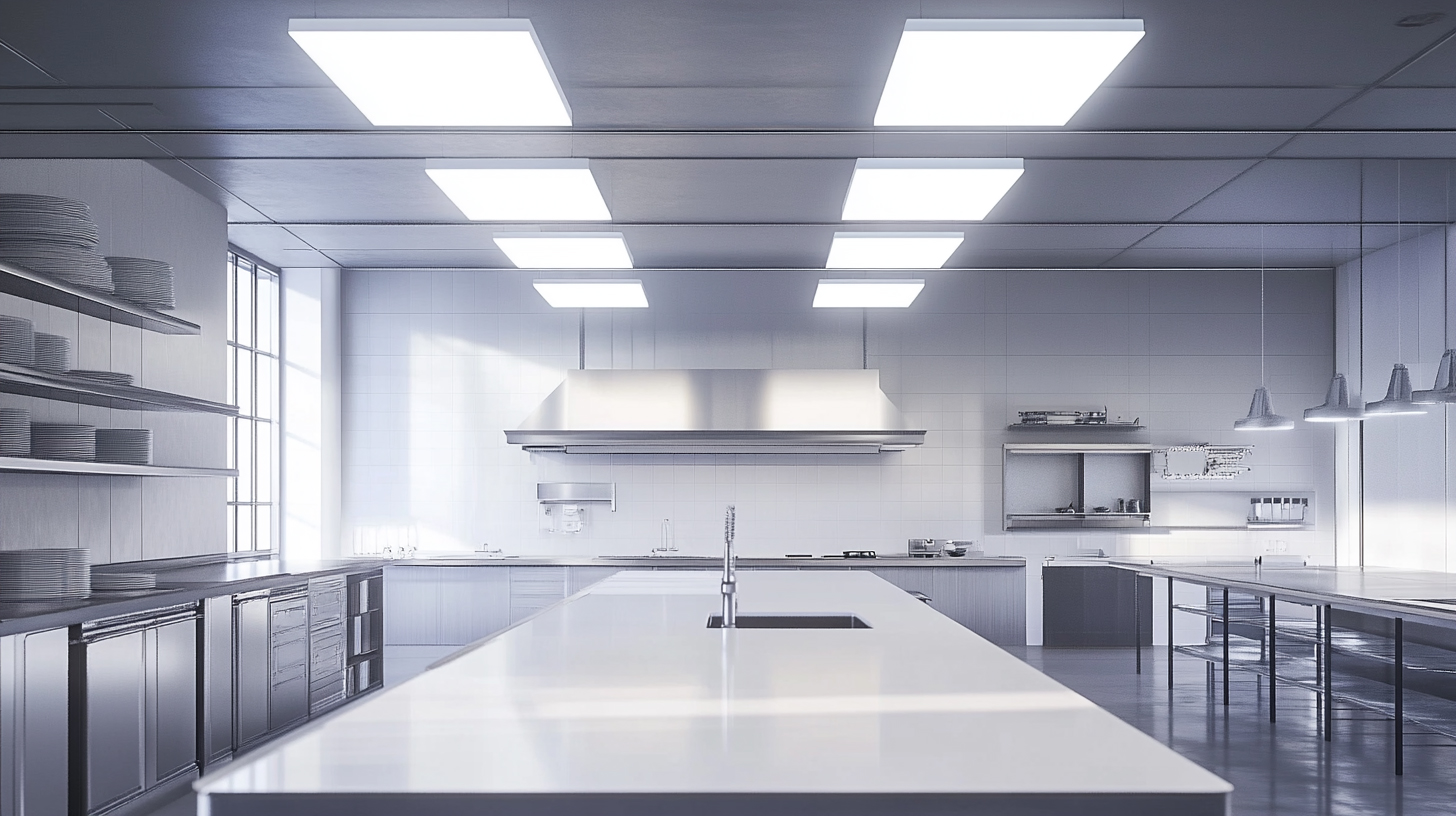
The hallmark of continuous dimming technology is its ability to provide smooth transitions between different lighting levels. This is achieved through advanced control systems that modulate the light output without perceptible flickering or abrupt changes.
Continuous dimming technology is compatible with a wide range of lighting fixtures, including LEDs, incandescent bulbs, and fluorescent lights. This flexibility makes it an attractive option for both new installations and retrofitting existing systems.
Modern continuous dimming systems can be integrated with smart home platforms, allowing users to control their lighting via mobile apps or voice commands. This integration provides added convenience and enables advanced features like scheduling and remote access.
With continuous dimming, users can create and store customized lighting scenes tailored to specific activities or moods. For example, a "relax" scene might dim the lights to a warm, soft glow, while a "work" scene could brighten the room to promote focus and alertness.
In homes, continuous dimming technology enhances the living experience by allowing residents to tailor the lighting to their preferences. Whether it's creating a cozy atmosphere in the living room or ensuring optimal lighting for reading in a study, this technology offers versatility and comfort.
In commercial settings, continuous dimming can improve employee productivity and well-being by providing optimal lighting conditions for different tasks. Additionally, the energy savings achieved through efficient lighting control can contribute to a company's sustainability goals.
In schools and universities, continuous dimming technology supports various learning activities by adjusting the lighting to suit different teaching methods. For instance, bright lighting can be used for lectures, while softer lighting might be more suitable for group discussions or presentations.
While continuous dimming technology offers long-term savings, the initial cost of installation can be a barrier for some consumers. However, the investment can often be justified by the energy savings and enhanced user experience it provides over time.
Ensuring that continuous dimming systems are compatible with existing wiring and fixtures is crucial. In some cases, additional components or modifications may be necessary, which can add to the overall cost and complexity of the installation.
Implementing continuous dimming technology may require specialized knowledge, particularly when integrating with smart home systems. Consulting with professionals who have experience in adaptive lighting can help ensure a smooth installation process.
As technology continues to evolve, we can expect further advancements in adaptive lighting systems. Innovations such as artificial intelligence and machine learning could lead to even more sophisticated lighting solutions that anticipate user needs and adjust automatically.
In conclusion, continuous dimming smooth transition technology represents a significant advancement in lighting solutions. By offering energy efficiency, enhanced comfort, and a superior visual experience, it holds the potential to transform how we interact with lighting in our homes and workplaces. As this technology becomes more accessible, it will undoubtedly play a pivotal role in shaping the future of lighting design.


)
)
)
)

+86 15899791249

+86 755 2955 3313


Address: Huafeng No.1 Science and Technology Park, Sanwei, Bao'an District, Shenzhen, Guangdong, China.
