

Time:2026-04-01
In the high-stakes evolution of modern infrastructure, 2026 stands as a definitive turning point. The global push toward carbon neutrality and the rising costs of industrial operation have transformed lighting from a static utility into a dynamic, data-driven asset. For facility managers, specifying engineers, and electrical contractors across North America and Europe, the focus has shifted from simple illumination to Networked Lighting Controls (NLC).
At the heart of this digital transformation lies the controller-compatible sensor. No longer a standalone switch, these sensors are the "senses" of a building’s nervous system, enabling a level of synergy between hardware and software that was previously impossible.
In the high-tech landscape of 2026, the definition of a "sensor" has undergone a radical transformation. What exactly defines a controller-compatible sensor, and why is it rapidly replacing traditional standalone units in professional architectural specifications? To understand this shift, one must look at the move from localized reaction to networked intelligence.
While a traditional sensor acts as a rudimentary binary trigger—essentially a glorified switch that toggles power "On" or "Off" based on simple infrared or microwave detection—a controller-compatible sensor is a precision instrument engineered for seamless integration into a broader smart building management ecosystem. Unlike standalone units that operate in a vacuum, these advanced devices are designed to "talk" to a central processor or a distributed network hub. Whether it is a localized room controller, a sophisticated DALI-2 / D4i controller, or a scalable cloud-based Bluetooth Mesh network, the sensor functions as a bi-directional communication node rather than a one-way switch.
The true value of a universal controller compatible sensor lies in its role as a critical data harvester. It doesn't just detect simple motion; it gathers and communicates complex occupancy patterns, precise ambient light levels (lux), and even its own real-time device health status back to the Building Management System (BMS). This shift from "isolated sensing" to "integrated intelligence" allows modern structures to effectively "breathe."
By reacting in real-time to the nuanced presence of humans—adjusting light levels via 0-10V Dimming or signaling the HVAC system to modify airflow—these sensors maximize energy efficiency through granular control logic that standalone units simply cannot achieve. In an era where "Networked Lighting Controls" (NLC) are the standard for LEED and DLC Premium certifications, choosing a controller-compatible backbone is the only way to ensure that a facility’s "senses" remain sharp, scalable, and fully optimized for the digital age.
The true strength of controller-compatible sensors lies in their remarkable adaptability across diverse architectural environments. In 2026, a "one-size-fits-all" approach to sensing is no longer viable; instead, professional integrators require modular hardware that can be tuned to the specific physical and operational demands of a space. By utilizing a universal controller compatible sensor, facilities can bridge the gap between rugged industrial performance and refined commercial aesthetics.
In massive logistics hubs characterized by 40ft-60ft Mounting Heights, traditional Passive Infrared (PIR) sensors often struggle with "blind spots" or frequent false triggers caused by massive HVAC air currents. LumiEasy high-gain microwave sensors are specifically optimized for these extreme elevations, using high-frequency radar to detect movement with surgical precision. When paired with a compatible NLC (Networked Lighting Control) system, they ensure that high-bay UFO lights only reach 100% brightness when a forklift or worker enters a specific aisle. This creates a high-efficiency "follow-me" lighting path that prioritizes safety and visibility while maintaining the rest of the facility in a deep-dimmed, power-saving mode.
In a modern office environment, lighting is about much more than mere visibility; it is a critical factor in employee well-being and cognitive productivity. By utilizing 0-10V controller sensors, integrators can implement sophisticated Daylight Harvesting strategies. As natural light floods through floor-to-ceiling windows, these sensors continuously monitor the ambient lux levels and signal the controller to dim the overhead LEDs. This smooth 0-10V Dimming transition is calibrated to be nearly invisible to the human eye, maintaining a perfectly consistent light level on the desk surface. By eliminating the distracting "step-flicker" associated with legacy on/off systems, LumiEasy sensors create a stable, glare-free workspace that reduces eye strain and fatigue.
Smart building perimeters require sensors that can withstand punishing environmental conditions while remaining digitally tethered to the central network. Our outdoor-ready sensors feature IP65/IP66 ratings and specialized mechanical O-ring silicone seals to prevent moisture ingress. This ruggedized construction ensures that parking lot lighting and loading docks remain synchronized with the building’s primary security and energy protocols. Whether facing driving rain or extreme temperature fluctuations, these controller-compatible sensors provide the reliable data feed necessary for automated security overrides and synchronized exterior "path-of-travel" illumination.
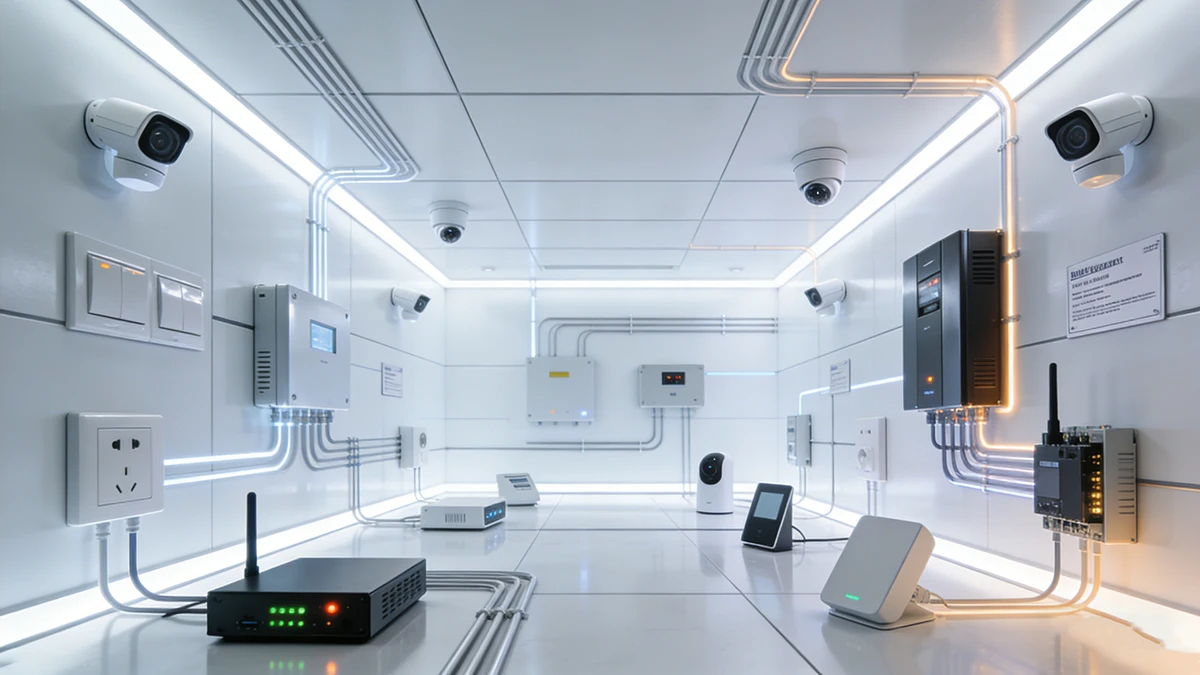
For professional systems integrators, the success of a large-scale project hinges on a controller sensor compatibility list that is both technically broad and operationally reliable. In the complex ecosystem of 2026’s smart buildings, the "plug-and-play" promise can only be fulfilled when the underlying hardware speaks a universal language. LumiEasy addresses this by engineering sensors that function as adaptable digital nodes rather than rigid electrical components.
Modern infrastructure demands a departure from legacy high-voltage AC sensing. By supporting a modular 12V/24V DC input, our sensors draw auxiliary power directly from the LED driver or a dedicated room controller. This transition to low-voltage DC significantly simplifies internal fixture circuitry, reduces the physical footprint of the sensor, and drastically lowers electromagnetic interference (EMI)—a critical factor in environments with sensitive electronic equipment or medical devices.
Furthermore, true protocol interoperability is the cornerstone of our engineering philosophy. Whether you are deploying DALI controller compatible sensors or implementing a robust Bluetooth Mesh network, LumiEasy hardware is built on open, global standards. By strictly adhering to DALI-2 and D4i certifications, our sensors provide more than just motion detection; they deliver standardized data packets regarding real-time energy consumption and proactive diagnostic health. This transparency makes our sensors the ideal choice for future-proof lighting strategies, ensuring that the hardware remains relevant as software-defined building protocols evolve.
The deep integration with 0-10V Dimming protocols allows for high-fidelity "soft-start" and "soft-fade" transitions. This level of precision is essential for sophisticated multi-zone control, where different quadrants of a single open-plan floor may require unique occupancy time delays and customized dimming thresholds. By utilizing these universal controller compatible sensors, integrators can digitally group fixtures via software, allowing for "Daylight Harvesting" zones to operate independently of transit-only corridors, all within the same unified control backbone.
In 2026, the cost of a "man-hour" in the Western market is a critical bottleneck. LumiEasy addresses this by moving technical complexity from the construction site to the factory floor.
Pre-installed Readiness: We encourage luminaire manufacturers (OEMs) to integrate our sensors at the factory level. A pre-installed sensor means that when the fixture arrives at the job site, the contractor only needs to hang it and power it up.
Tool-less Installation: For retrofits, we utilize Zhaga Book 18 sockets or twist-lock interfaces. This tool-less installation allows a technician to secure a sensor in seconds.
| Metric | Traditional Hardwired Sensor | LumiEasy Integrated Sensor |
| Installation Time | 1.5 Hours (Wiring/Conduit) | < 1 Minute (Twist-Lock) |
| Complexity | High (High-Voltage Wiring) | Low (Plug-and-Play) |
| Labor Cost | Expensive (Licensed Electrician) | Minimal (General Technician) |
| Maintenance | Difficult (Open Fixture) | Easy (Field Swappable) |
By eliminating complex high-voltage field wiring, facilities can reduce on-site installation labor by up to 65%, significantly accelerating the project's break-even point.
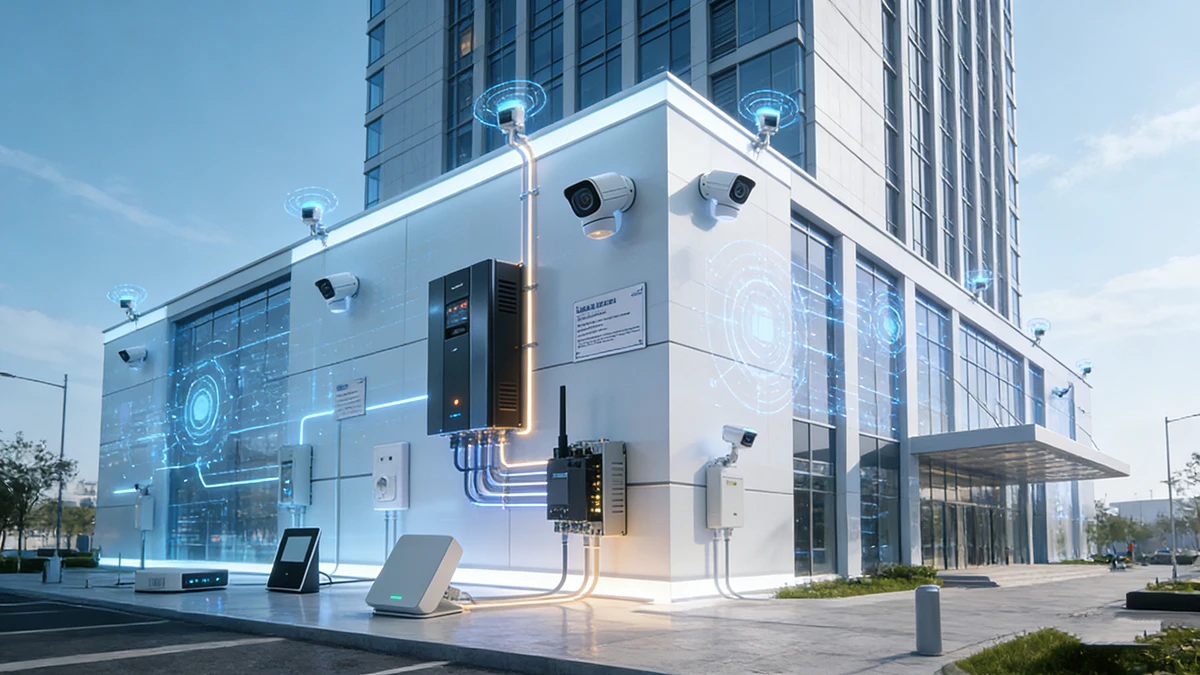
As we transition into the definitive age of AI-driven facility management in 2026, the role of the controller-compatible sensor has been fundamentally elevated. It is no longer merely a peripheral for illumination; it has become a "fountain of actionable intelligence," serving as the primary data ingestion point for the modern industrial nervous system. When these sensors are integrated into a centralized network, they function as high-fidelity biological proxies, capturing the subtle rhythms of human and machine movement within a structure.
These sensors serve as the front-line tools for comprehensive Space Utilization Data Collection. By continuously tracking occupancy frequency, dwell times, and directional traffic flow, a universal controller compatible sensor feeds a constant stream of metadata into AI algorithms. These platforms then synthesize this raw input into dynamic "Heat Maps," providing facility managers with a visual, empirical understanding of how their physical assets are being consumed in real-time.
The implications of this data-rich environment extend far beyond the lighting budget, offering a transformative level of Strategic Decision Support:
Warehouse Optimization: By identifying "dead zones" where forklifts and personnel rarely travel, logistics managers can re-optimize racking layouts and picking paths to eliminate bottlenecks and increase throughput.
Commercial Office Efficiency: If sensor data reveals that a premium conference room is consistently utilized at only 20% capacity, executive management can make data-backed decisions to repurpose the space into high-demand "hot-desking" zones or collaborative pods.
The HVAC Synergy Multiplier: Perhaps the most significant advantage is the cross-communication of sensor data with the HVAC system via the Building Management System (BMS). When a zone is detected as unoccupied, the system triggers an immediate setback in climate control. These secondary energy savings—derived from reduced heating and cooling—often exceed the direct lighting savings themselves, radically improving the facility's overall carbon footprint.
By deploying LumiEasy hardware, enterprises ensure their infrastructure is not just "smart," but capable of the deep analytical reasoning required for the next decade of industrial competition.
In the competitive landscape of 2026, achieving a high Return on Investment (ROI) in smart building projects requires a fundamental shift in perspective. It is no longer sufficient to simply install high-quality LEDs; a truly efficient facility requires a high-fidelity sensory network that is easy to install, impossible to break, and remarkably simple to manage via centralized software. Choosing a universal controller compatible sensor is not merely a technical preference—it is the single most effective strategy to future-proof an architectural investment against the rapidly evolving standards of the industrial IoT.
At the heart of this revolution is LumiEasy, a specialized manufacturer of NLC-certified (Networked Lighting Controls) sensors. We provide robust, world-class OEM and ODM services tailored specifically for the rigorous demands of North American and European industrial markets. Our hardware is meticulously engineered to meet and exceed the most stringent DALI-2, D4i, and Bluetooth Mesh standards. By strictly adhering to these open-protocol frameworks, we ensure that your building's "senses" remain sharp, interoperable, and capable of seamless communication with any leading Building Management System (BMS).
As warehouses and commercial offices transition toward fully autonomous operations, the reliability of the underlying sensor backbone becomes the deciding factor in operational success. Whether you are a lighting manufacturer looking to integrate pre-installed intelligence or an electrical contractor seeking to slash on-site labor costs through tool-less installation, LumiEasy provides the modular, data-ready hardware required for the next decade of industrial excellence. Don't let your infrastructure become a stranded asset; invest in a system that grows as your building’s intelligence matures.
CTA: Ready to optimize your next project for the AI-driven era? Contact our engineering team today for a customized controller integration plan and discover how LumiEasy can transform your lighting network into a strategic data asset.
The primary savings come from the elimination of secondary high-voltage wiring. Traditional sensors require their own power packs and conduit runs. In contrast, a LumiEasy controller-compatible sensor utilizes a tool-less twist-lock interface and draws 12V/24V DC auxiliary power directly from the driver. This "plug-and-play" approach allows sensors to be installed in seconds, reducing electrician man-hours by up to 65%.
The sensor must support a compatible communication protocol (such as DALI-2, D4i, or 0-10V Dimming) and match the auxiliary power output of the controller (typically 12V/24V DC). Furthermore, ensuring the sensor is on the controller sensor compatibility list is vital for firmware synchronization and "Over-the-Air" (OTA) updates, which LumiEasy provides for all networked models.
For multi-zone offices, we recommend DALI controller compatible sensors that meet the D4i standard. These sensors provide granular data for daylight harvesting and individual zone dimming. For wireless applications, LumiEasy Bluetooth Mesh sensors offer a self-healing network that allows for digital grouping and commissioning via a mobile app, eliminating the need for manual DIP switch adjustments on 40-foot ladders.


)
)
)
)

+86 15899791249

+86 755 2955 3313


Address: Huafeng No.1 Science and Technology Park, Sanwei, Bao'an District, Shenzhen, Guangdong, China.
