

Time:2026-01-06
In the world of smart lighting, the DALI D4i standard is quickly becoming a game-changer for modern buildings and infrastructure. As more industries look for ways to reduce energy consumption, improve lighting control, and enhance the overall environment, DALI D4i systems offer a highly flexible, scalable solution. This innovative system is designed to offer optimized lighting experiences while improving energy efficiency, maintenance, and operational costs. In this article, we will explore how DALI D4i systems, including DALI D4i certified luminaires, sensor-ready interfaces, and diagnostic data collection, can revolutionize lighting control in various settings.
DALI D4i is a lighting control standard that enables seamless communication between lighting devices and other systems within a building or urban infrastructure. Developed by the DALI Alliance, this system is designed to make lighting smarter by allowing for advanced control, automation, and integration with building management systems (BMS). The DALI D4i standard builds on the existing DALI (Digital Addressable Lighting Interface) platform, improving the way we control and monitor lighting.
The main feature of DALI D4i is its ability to connect lighting devices, such as DALI D4i certified luminaires, to a network, allowing for dynamic adjustment of lighting based on environmental factors like occupancy, ambient light, or time of day. With the addition of smart interfaces and sensors, it enhances energy savings, supports more efficient lighting operation, and reduces overall costs.
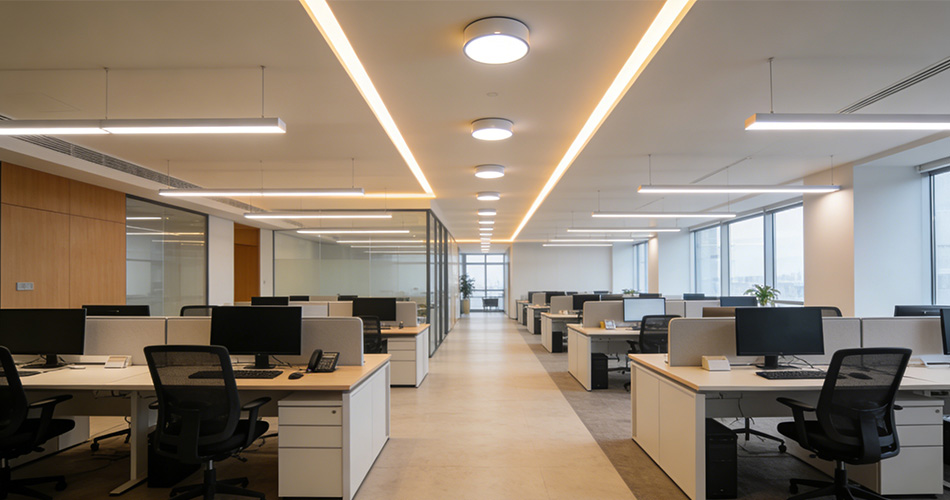
DALI D4i certified luminaires are the backbone of any DALI D4i lighting system. These luminaires are specifically designed to integrate seamlessly with the DALI D4i platform, ensuring compatibility with all the advanced features that the system offers, such as occupancy sensing, daylight harvesting, and remote control.
By choosing DALI D4i certified luminaires, businesses can be confident in the quality, reliability, and energy efficiency of their lighting. These luminaires come with built-in functionality to connect to DALI D4i power data bus, which facilitates two-way communication between devices. The certified luminaires provide users with the flexibility to tailor their lighting system to their unique needs while achieving significant reductions in energy consumption.
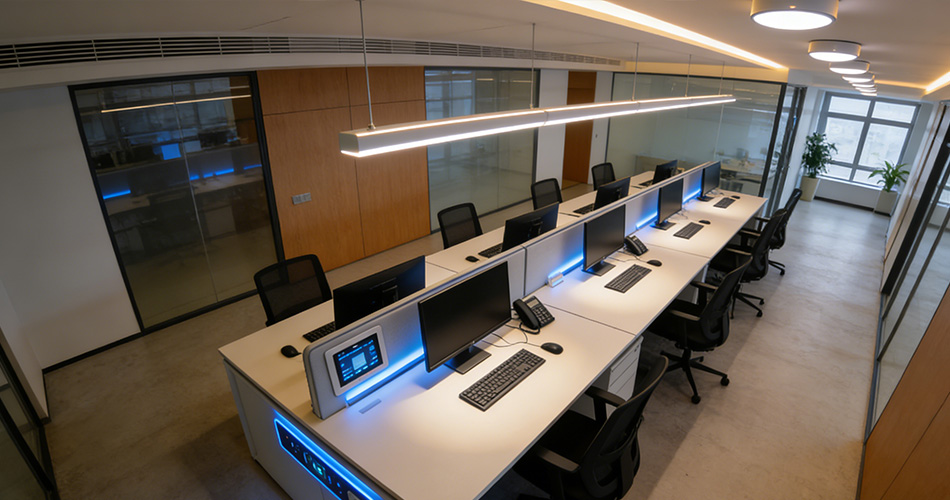
One of the key features that sets DALI D4i apart from traditional lighting control systems is the integration of DALI D4i sensor-ready interfaces. These interfaces allow for the incorporation of sensors, such as occupancy and daylight sensors, directly into the lighting system.
For example, a DALI D4i sensor-ready interface can trigger a lighting fixture to adjust its brightness based on the presence or absence of people in a room, or adjust lighting levels depending on the amount of natural daylight coming through the windows. This level of control maximizes energy savings by reducing unnecessary lighting usage and improves the comfort of the space by ensuring optimal lighting conditions at all times.
By using sensor-ready interfaces, businesses can also integrate other building systems (e.g., HVAC, security) to create a fully automated and efficient environment that responds dynamically to the needs of the building’s occupants.
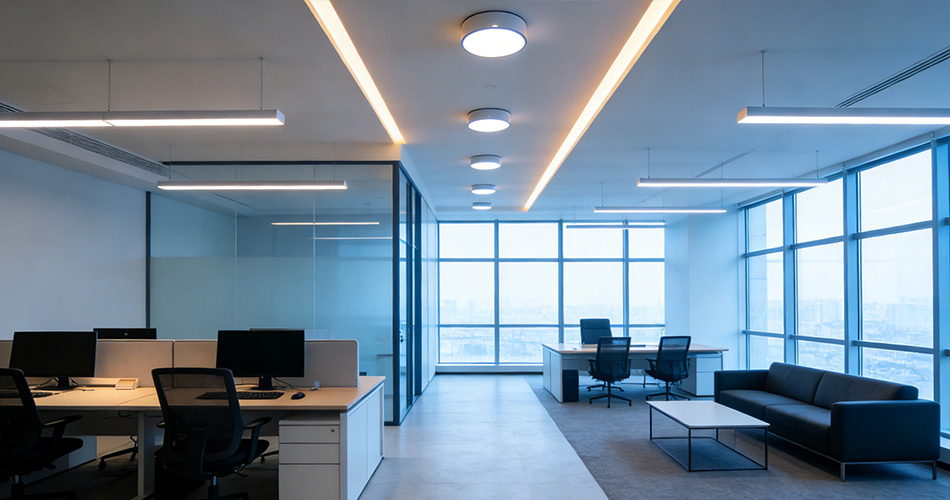
The DALI D4i power data bus is the communication system that connects all devices in a DALI D4i network. This power data bus carries both power and data, simplifying the installation process by reducing the need for separate power and control wiring. It allows for the integration of all compatible devices—such as lights, sensors, and switches—into a cohesive network that can be controlled remotely or autonomously.
The DALI D4i power data bus also facilitates real-time data exchange between devices, which can be used for diagnostic purposes, fault detection, and optimization of the entire lighting system. This level of connectivity enables facilities to implement more efficient lighting schedules, and it supports the collection of diagnostic data, which can be used to proactively address maintenance needs, reducing downtime and extending the lifespan of the system.

One of the most significant advantages of a DALI D4i system is its ability to collect diagnostic data in real-time. This feature enables lighting systems to monitor their performance and provide detailed reports on energy consumption, lamp life, and potential issues that may arise.
Through DALI D4i diagnostic data collection, building managers can access valuable insights into the condition of their lighting system, identifying components that are nearing failure or need maintenance. This proactive approach helps in preventing unexpected outages, reducing maintenance costs, and ensuring that lighting is always functioning optimally.
For example, if a DALI D4i certified luminaire is beginning to experience issues such as a failing component or a power anomaly, the system can alert the user, allowing them to address the problem before it escalates. This type of monitoring leads to reduced operational costs, enhanced performance, and an overall more efficient lighting system.
The integration of DALI D4i systems into commercial and industrial settings offers numerous benefits, including:
Energy Savings: By using DALI D4i certified luminaires and sensor-ready interfaces, lighting can be dynamically adjusted based on real-time conditions, significantly reducing energy consumption.
Improved Comfort: Lighting that automatically adjusts to environmental factors such as occupancy or daylight levels ensures that spaces are always well-lit while minimizing glare and discomfort.
Scalability and Flexibility: Whether upgrading existing systems or designing new ones, DALI D4i offers an adaptable solution that can grow with the needs of the facility.
Reduced Maintenance Costs: Through diagnostic data collection, the system provides insights into the health of the lighting fixtures, allowing for timely maintenance and longer lifespan.
As the demand for smarter, more energy-efficient lighting systems increases, DALI D4i offers a comprehensive solution that addresses the needs of modern facilities. By implementing DALI D4i certified luminaires, utilizing sensor-ready interfaces, and leveraging the DALI D4i power data bus, businesses can enjoy superior control over their lighting while reducing energy costs and improving operational efficiency. Additionally, the DALI D4i diagnostic data collection feature ensures that your system remains in optimal condition, providing long-term value and performance.
If you are looking to future-proof your lighting system and embrace a more sustainable and intelligent approach, DALI D4i is the ideal solution. Contact us today to learn more about how DALI D4i can transform your lighting control system and help you achieve both energy efficiency and operational excellence.
DALI D4i is a lighting control standard that enables smart lighting solutions, offering advanced control and automation for buildings and infrastructures. It allows for seamless communication between DALI D4i certified luminaires, sensors, and building management systems (BMS). This system improves energy efficiency and reduces operational costs by adjusting lighting based on occupancy, daylight, and time of day.
DALI D4i certified luminaires are lighting fixtures that are specifically designed to integrate with the DALI D4i platform. These luminaires offer advanced features such as occupancy sensing, daylight harvesting, and remote control, providing flexibility and scalability for the entire lighting system. They communicate through the DALI D4i power data bus, ensuring compatibility with all other connected devices.
DALI D4i sensor-ready interfaces enable the integration of various sensors, such as occupancy and daylight sensors, into the lighting system. These interfaces allow lights to automatically adjust based on the presence of people or the amount of natural light in a space, maximizing energy savings and improving the comfort of the environment. They make it easy to integrate DALI D4i with other building systems to create a fully automated and efficient lighting solution.
The DALI D4i power data bus is the communication system that connects all devices in a DALI D4i network. It carries both power and data, simplifying the installation process by reducing the need for separate power and control wiring. This bus facilitates real-time communication between devices, allowing for diagnostic data collection and enabling remote or autonomous control of the entire system.
DALI D4i diagnostic data collection enables real-time monitoring of the performance of lighting fixtures. It helps building managers identify potential issues, such as failing components or power anomalies, before they lead to system failures. This proactive approach helps reduce maintenance costs, prevent unexpected outages, and extend the lifespan of the lighting system, ensuring optimal performance over time.


)
)
)
)

+86 15899791249

+86 755 2955 3313


Address: Huafeng No.1 Science and Technology Park, Sanwei, Bao'an District, Shenzhen, Guangdong, China.
