

Time:2025-10-28
As the world increasingly shifts toward sustainable living, daylight harvesting has emerged as a crucial element in energy-efficient building design. By maximizing the use of natural light, daylight harvesting reduces reliance on artificial lighting, cutting down on electricity usage and promoting a healthier indoor environment.
In this article, we'll explore the benefits of daylight harvesting in buildings and how it contributes to energy-efficient lighting and smart lighting solutions.
Daylight harvesting is a method of optimizing the use of natural light in a building to reduce the need for artificial lighting. This is achieved by using sensors and control systems that adjust the levels of artificial light based on the amount of daylight available. The aim is to maintain a consistent level of illumination while minimizing energy consumption.
Daylight harvesting systems use light sensors to detect the amount of natural light entering a space. These sensors send data to a centralized control system, which adjusts artificial lighting levels accordingly. When sufficient daylight is present, artificial lighting is dimmed or turned off, and when daylight levels decrease, artificial lighting is increased to maintain desired illumination levels.
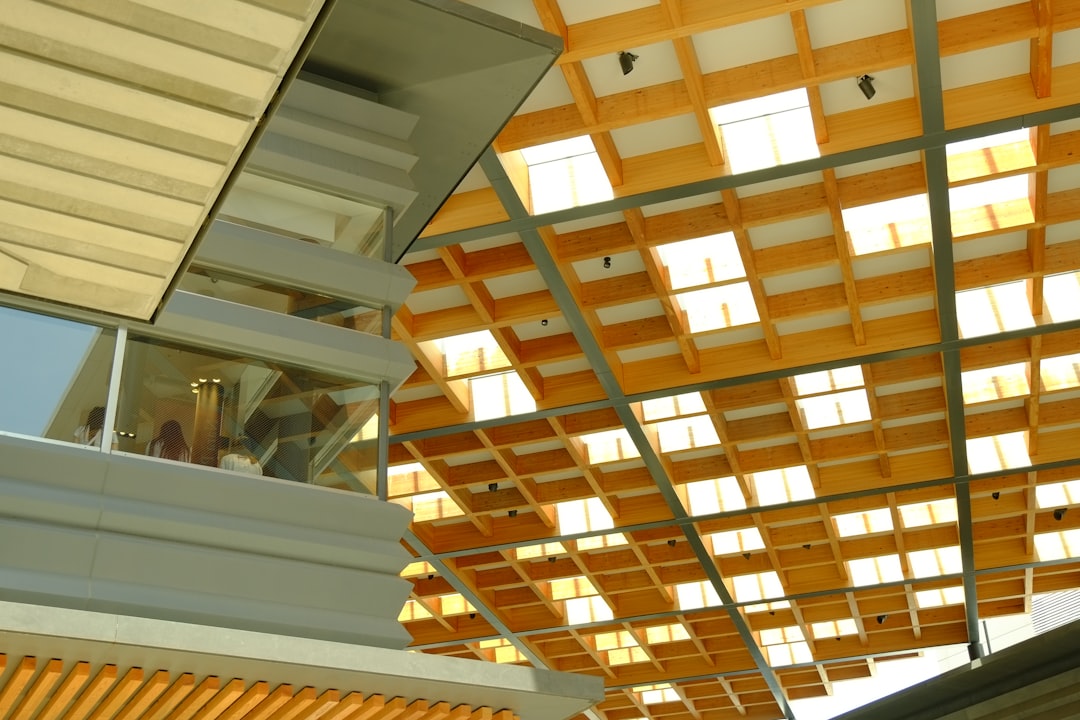
Daylight harvesting offers several compelling benefits for both building owners and occupants.
One of the most significant advantages of daylight harvesting is its contribution to energy efficiency. By reducing the reliance on artificial lighting, buildings can cut their electricity usage significantly. This reduction not only lowers energy bills but also decreases the building's carbon footprint, contributing to broader environmental sustainability goals.
Natural light is known to improve mood and increase productivity. Daylight harvesting ensures that indoor spaces are well-lit with natural light, which can lead to enhanced comfort and satisfaction among occupants. Moreover, the ability to maintain consistent lighting levels helps prevent eye strain and headaches that can result from fluctuating light conditions.
Daylight harvesting systems can be integrated with smart lighting solutions, offering even greater control and efficiency. Smart lighting systems can be programmed to automatically adjust lighting based on occupancy, time of day, and even weather conditions. This integration provides a seamless lighting experience that maximizes energy savings and occupant comfort.
While there is an initial investment required to install daylight harvesting systems, the long-term cost savings are substantial. Reduced energy consumption leads to lower utility bills, and the extended lifespan of lighting fixtures, due to reduced usage, further decreases maintenance costs. Over time, these savings can offset the initial installation costs, making daylight harvesting a financially viable option for many building owners.
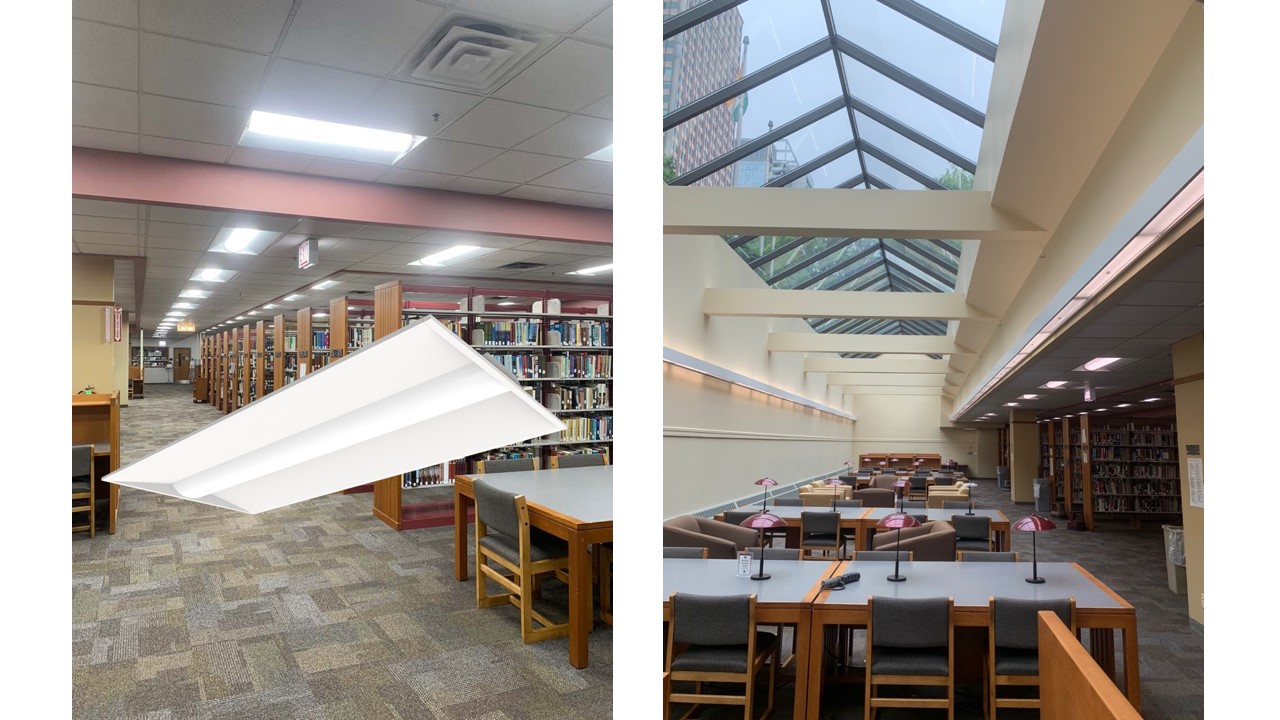
For building owners considering daylight harvesting, several factors should be taken into account to ensure successful implementation.
The first step in implementing daylight harvesting is to assess the natural light availability in the building. This involves analyzing the building's design, orientation, and surrounding environment to determine how much daylight can be harnessed. This assessment helps in designing a daylight harvesting system that is tailored to the building's specific needs.
There are various technologies available for daylight harvesting, ranging from simple dimmers to advanced control systems. Building owners should choose a system that aligns with their energy goals, budget, and the building's complexity. It's essential to work with experienced professionals who can recommend the most suitable technology for your building.
For buildings with existing lighting systems, integrating daylight harvesting technology may require modifications or upgrades. This integration should be carefully planned to ensure compatibility and optimal performance. It may also be an opportunity to incorporate other smart building technologies for a more comprehensive energy management strategy.

While daylight harvesting offers many benefits, there are also challenges that need to be addressed for successful implementation.
The upfront cost of installing daylight harvesting systems can be a deterrent for some building owners. However, it's important to consider the long-term savings and environmental benefits. Incentives and rebates from government programs may also be available to offset some of these costs.
Daylight harvesting systems rely on sensors that must be accurately calibrated to function correctly. Regular maintenance is required to ensure sensors remain operational and effective. Building owners should establish a maintenance plan to address sensor calibration and any technical issues that may arise.
Daylight harvesting is a powerful tool in the quest for energy-efficient buildings. By harnessing natural light, building owners can reduce energy consumption, lower costs, and create healthier, more comfortable environments for occupants. With advancements in smart lighting solutions, daylight harvesting is becoming more accessible and effective, making it a worthwhile investment for any building aiming to achieve sustainability goals.
As we continue to prioritize sustainability and energy efficiency, daylight harvesting will play an increasingly important role in building design and operation, paving the way for a brighter, greener future.


)
)
)
)

+86 15899791249

+86 755 2955 3313


Address: Huafeng No.1 Science and Technology Park, Sanwei, Bao'an District, Shenzhen, Guangdong, China.
