

Time:2025-10-27
In the quest for energy efficiency, daylight harvesting stands out as a sustainable approach to reduce energy consumption in buildings. However, achieving the desired energy savings requires precise calibration of daylight harvesting systems. This article will explore the importance of calibration accuracy and delve into various methods to verify the calibration accuracy of these systems.
Daylight harvesting is an energy management technique that utilizes natural light to reduce the need for artificial lighting in buildings. By leveraging sensors and control systems, daylight harvesting adjusts the artificial lighting based on the amount of natural light available. This not only cuts down on energy use but also enhances the comfort and productivity of building occupants.
Accurate calibration of daylight harvesting systems is crucial for optimal performance. Without proper calibration, these systems may either fail to provide sufficient lighting or result in unnecessary energy consumption, defeating their primary purpose.
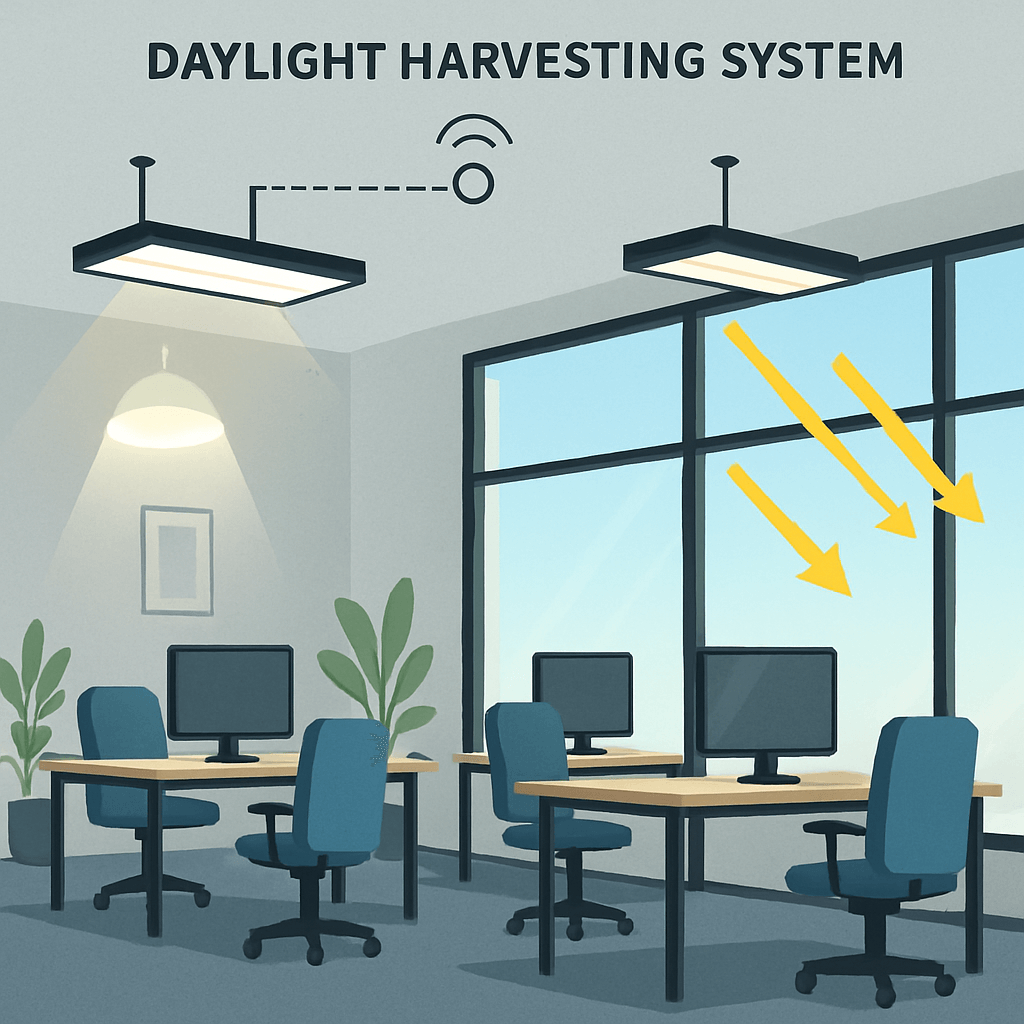
To ensure the effectiveness of daylight harvesting systems, it’s essential to verify their calibration accuracy. Here are some common methods used in the industry:
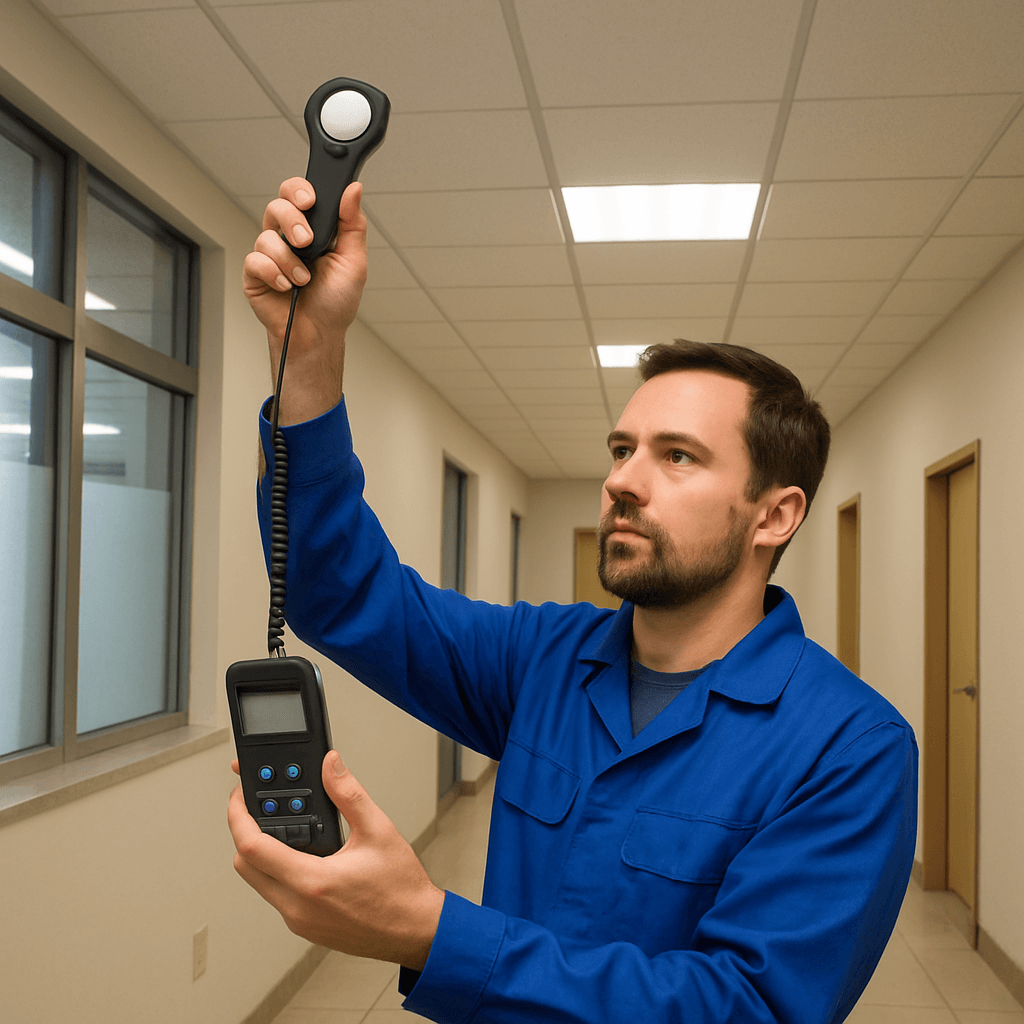
Photometric measurements involve using light meters to measure the intensity of light in a space. By comparing these measurements with the expected levels, technicians can determine if the daylight harvesting system is calibrated correctly.
How It Works
Technicians place light meters at various points in a room to measure the actual light levels. These readings are then compared to the system’s setpoints to verify if the lighting adjustments are accurate.
Simulation software can model the lighting conditions in a building and predict how the daylight harvesting system should perform. By comparing these simulations to actual performance, discrepancies can be identified, indicating a need for recalibration.
Benefits of Simulation
Simulation software allows for a detailed analysis of lighting conditions without the need for extensive physical testing. It also helps in identifying potential calibration issues before they impact energy efficiency.
Continuous monitoring involves the use of sensors that provide real-time data on light levels. This data is fed back into the system, allowing for ongoing adjustments and calibration verification.
Advantages
Continuous monitoring ensures that daylight harvesting systems remain accurate over time. It also allows for immediate detection and correction of calibration errors, maintaining energy efficiency.
To achieve the best results, consider the following best practices for daylight harvesting calibration:
Regular maintenance of daylight harvesting systems ensures that sensors and controls remain in optimal condition. This includes cleaning sensors, checking for obstructions, and updating software as needed.
Hiring professionals to perform calibration can ensure higher accuracy. Trained technicians have the expertise and equipment necessary to perform precise calibrations and identify potential issues.
Before a daylight harvesting system is fully operational, conduct thorough testing and validation. This ensures that the system performs as expected under various lighting conditions.

While verifying calibration accuracy is essential, it’s not without its challenges. Some common obstacles include:
Sensors are the backbone of daylight harvesting systems. Malfunctions or misalignments can lead to inaccurate readings, affecting calibration accuracy.
Changes in the environment, such as new interior layouts or window treatments, can affect the system’s performance. Regular assessments are necessary to adjust the system to these changes.
Calibration verification can be time-consuming and costly, especially in large buildings. Balancing accuracy with cost-effectiveness is a critical consideration for building managers.

With advancements in technology, the future of daylight harvesting calibration looks promising. Emerging technologies such as machine learning and IoT (Internet of Things) are set to revolutionize how we verify and maintain calibration accuracy. These technologies promise more automated, precise, and efficient calibration processes, reducing both time and costs associated with verification.
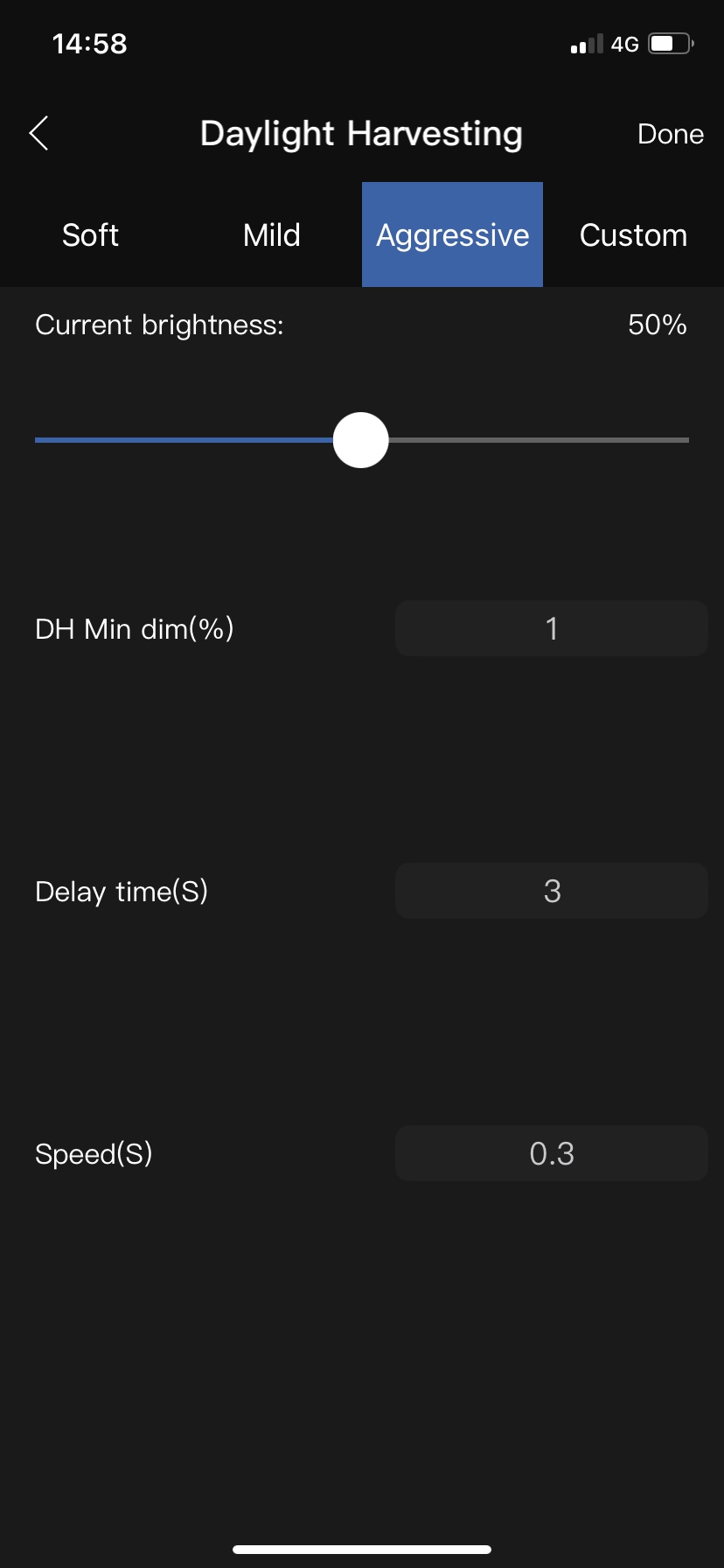
Ensuring the calibration accuracy of daylight harvesting systems is vital for maximizing energy efficiency and achieving sustainability goals. By understanding and implementing effective calibration verification methods, building managers can ensure these systems operate at their best, reducing energy consumption and improving occupant comfort.
Incorporating regular maintenance, professional calibration, and leveraging technology are key strategies for maintaining accuracy and reaping the full benefits of daylight harvesting systems. As we continue to advance in energy management, the importance of precise calibration cannot be overstated.
In the end, the goal is clear: to create energy-efficient spaces that are not only cost-effective but also environmentally friendly, contributing to a sustainable future for all.
Related news
Daylight Harvesting Integration in Smart Lighting Control | LumiEasy
LLLC Lighting Controls for Industrial Energy Efficiency | LumiEasy
Smart Lighting Control Scheduling: Precision and Automation for Modern Illumination Management
Boost Efficiency with Commercial Lighting Control Retrofit


)
)
)
)

+86 15899791249

+86 755 2955 3313


Address: Huafeng No.1 Science and Technology Park, Sanwei, Bao'an District, Shenzhen, Guangdong, China.
