

Time:2025-10-27
In today's world, energy efficiency is more important than ever. With rising energy costs and increasing environmental concerns, businesses and homeowners alike are looking for ways to reduce their energy consumption. One effective solution is daylight harvesting. But what exactly is daylight harvesting, and why should you consider it for your building? In this article, we'll explore the benefits of daylight harvesting and how it can help you create a more energy-efficient and comfortable environment.
Daylight harvesting is a method of using natural light to illuminate building interiors. It involves the use of smart lighting solutions that automatically adjust artificial lighting based on the amount of daylight available. This not only reduces energy consumption but also creates a more pleasant and productive environment.
Daylight harvesting systems use sensors to detect the amount of natural light entering a space. These sensors communicate with the building's lighting control system to adjust the artificial lighting accordingly. For example, on a bright sunny day, the system may reduce the artificial lighting to take advantage of the natural light streaming through windows. Conversely, on a cloudy day or in the evening, the system will increase artificial lighting to maintain the desired light levels.
There are several types of daylight harvesting systems, including open-loop and closed-loop systems. Open-loop systems measure the amount of daylight coming into the building and adjust the lighting based on preset thresholds. Closed-loop systems, on the other hand, continuously measure the light levels in the room and make real-time adjustments to ensure consistent lighting.
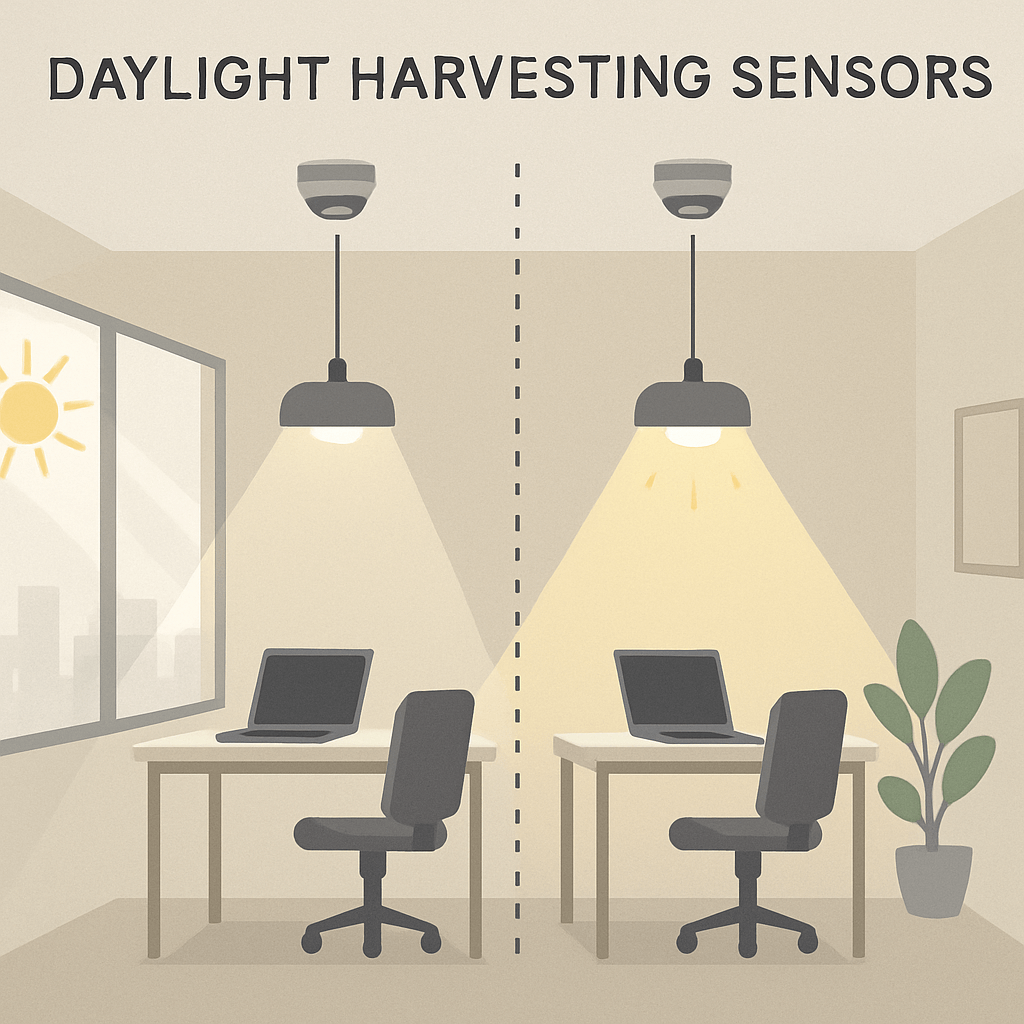
Implementing daylight harvesting in your building offers numerous benefits, both for the environment and for the people who use the space.
One of the most significant benefits of daylight harvesting is energy efficiency. By relying more on natural light and reducing the need for artificial lighting, buildings can significantly lower their energy consumption. This translates to cost savings on energy bills, making it an attractive option for both commercial and residential buildings.
Natural light has been shown to have a positive impact on mood, productivity, and overall well-being. By incorporating more natural light into a building's design through daylight harvesting, occupants can enjoy a more pleasant environment. Improved lighting conditions can lead to increased productivity in the workplace and a better quality of life at home.
By decreasing energy consumption, daylight harvesting contributes to a reduced environmental footprint. Less energy use means fewer greenhouse gas emissions, which can help mitigate climate change. As more buildings adopt energy-efficient lighting solutions like daylight harvesting, the collective impact on the environment can be substantial.
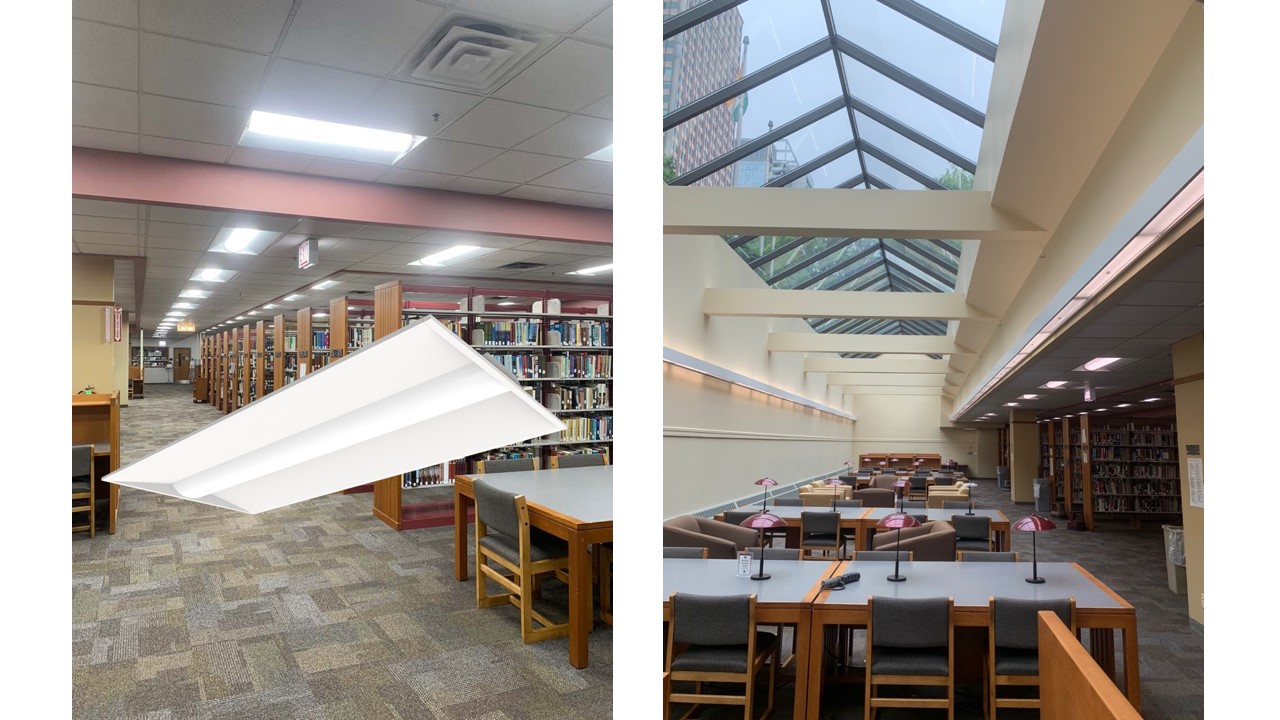
If you're considering daylight harvesting for your building, there are several factors to consider to ensure a successful implementation.
Before implementing a daylight harvesting system, it's essential to assess your building's specific needs. Consider factors such as the building's orientation, window placement, and the existing lighting system. This information will help determine the most effective daylight harvesting strategy for your space.
Selecting the right daylight harvesting system is crucial for maximizing the benefits. Consult with a lighting professional to choose a system that best suits your building's requirements. Whether it's an open-loop or closed-loop system, the key is to find a solution that seamlessly integrates with your existing infrastructure and meets your energy efficiency goals.
Proper installation and regular maintenance are critical for ensuring the long-term success of a daylight harvesting system. Work with experienced professionals to install the system correctly and schedule routine maintenance to keep it functioning optimally. Regularly updating the system's software and calibrating sensors will help maintain its efficiency and effectiveness.

Several buildings around the world have successfully implemented daylight harvesting systems, showcasing the potential benefits of this approach.
The Edge, a cutting-edge office building in Amsterdam, is renowned for its innovative use of daylight harvesting. The building features an advanced lighting system that adjusts based on natural light availability, resulting in significant energy savings. The Edge has become a benchmark for sustainable building design, illustrating the power of smart lighting solutions.
PNC Tower, located in Pittsburgh, is another excellent example of daylight harvesting in action. The building's design incorporates large windows and a sophisticated lighting control system that maximizes natural light use. As a result, PNC Tower has achieved impressive energy efficiency ratings and serves as a model for other commercial buildings.
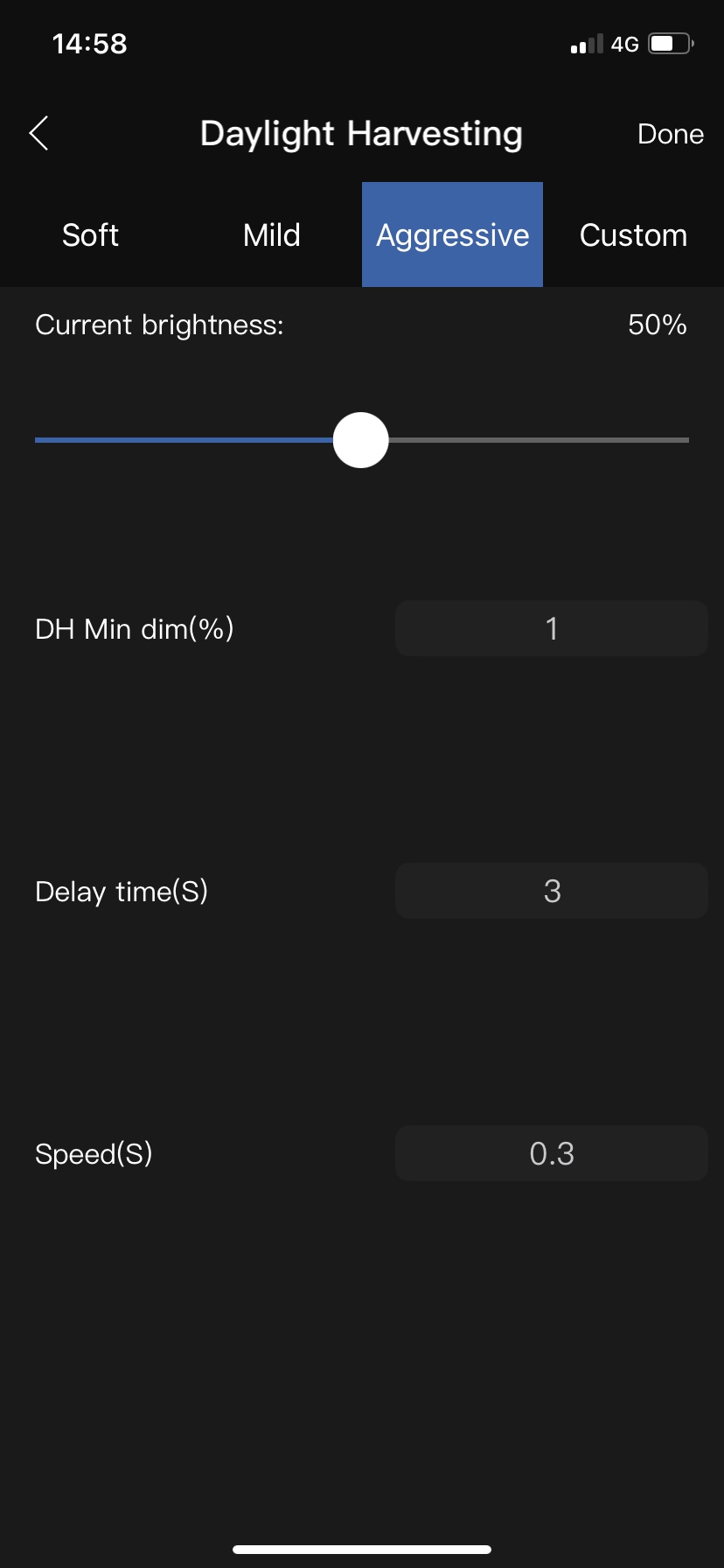
Daylight harvesting is an effective way to enhance energy efficiency and improve the quality of indoor environments. By harnessing natural light and integrating smart lighting solutions, buildings can achieve significant energy savings, reduce their environmental impact, and create more comfortable spaces for occupants. As more buildings embrace this approach, the benefits of daylight harvesting will continue to grow, making it a vital component of sustainable building design.
By understanding the principles and advantages of daylight harvesting, you can make informed decisions about implementing this energy-efficient lighting strategy in your building. Whether for a commercial office or a residential home, daylight harvesting offers a practical and sustainable solution for modern lighting needs.


)
)
)
)

+86 15899791249

+86 755 2955 3313


Address: Huafeng No.1 Science and Technology Park, Sanwei, Bao'an District, Shenzhen, Guangdong, China.
