

Time:2025-10-29
In the quest for energy efficiency and sustainability, daylight harvesting emerges as a shining star. This innovative approach leverages natural light to reduce energy consumption in buildings, making it a popular choice for businesses and homeowners alike. But how can you be sure that your daylight harvesting system is delivering the promised savings? That's where energy savings performance verification comes in.
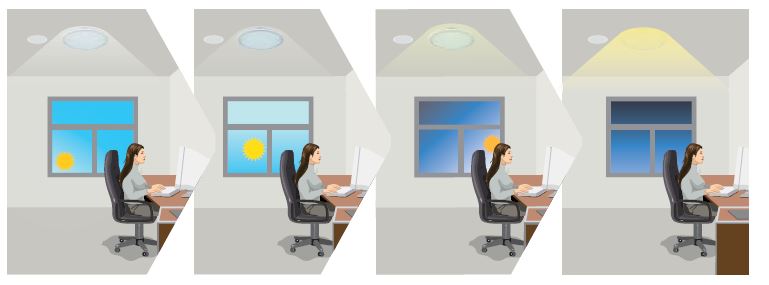
Daylight harvesting is a method that uses natural daylight to illuminate indoor spaces, reducing the need for artificial lighting. By strategically placing sensors and using automated controls, daylight harvesting systems adjust artificial lighting based on the amount of natural light available.
Energy Savings: By reducing the reliance on artificial lighting, daylight harvesting can significantly cut energy costs.
Environmental Impact: Less energy consumption means a smaller carbon footprint, contributing to global sustainability efforts.
Improved Well-being: Natural light has been shown to enhance mood and productivity in work environments.
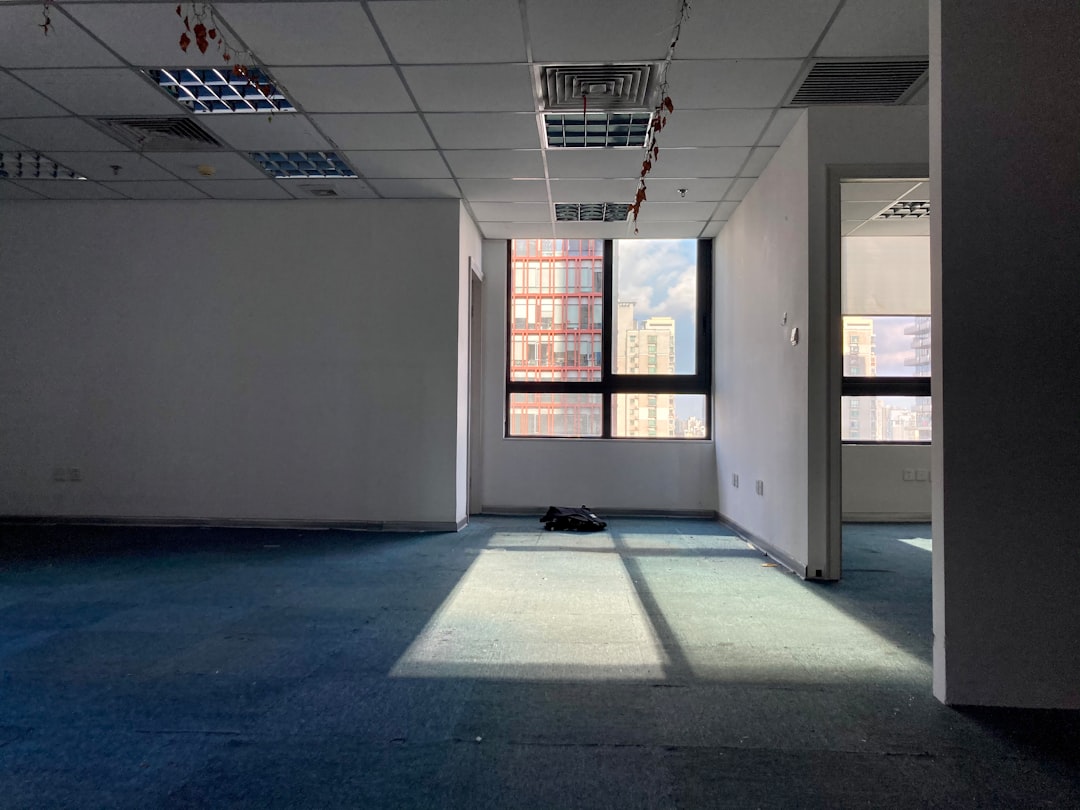
To ensure that a daylight harvesting system is performing as expected, it's crucial to conduct energy savings performance verification. This process involves measuring and verifying the actual energy savings achieved by the system.
Accurate Savings Calculation: Verification provides an accurate calculation of the energy savings, ensuring that the system is delivering on its promises.
System Optimization: Through verification, you can identify any areas where the system may be underperforming and make necessary adjustments.
Investment Justification: For businesses, verifying energy savings can justify the investment in daylight harvesting systems by showing a clear return on investment.
Before you can measure savings, you need to know what your baseline energy consumption is. This involves collecting data on energy usage before the daylight harvesting system is installed.
After the system is installed, you need to measure the energy consumption again. This will help you see the difference in energy use and calculate the savings.
Analyze the data collected before and after installation to determine the actual savings. This analysis will highlight how much energy is being saved and identify any discrepancies.
Prepare a detailed report that outlines the performance of the daylight harvesting system. This report should include the baseline data, post-installation data, and the calculated savings.
There are several tools and technologies available to assist in the verification process. These tools can automate data collection and analysis, making it easier to verify energy savings.
These systems track energy usage in real-time, providing accurate data for analysis. They can be integrated with daylight harvesting systems to provide a comprehensive view of energy performance.
BMS can be used to control and monitor lighting, HVAC, and other building systems. By integrating daylight harvesting with a BMS, you can optimize energy use across the entire building.
While verification is essential, it does come with its challenges. Here are a few common obstacles:
Ensuring the accuracy of the data collected is critical. Inaccurate data can lead to incorrect savings calculations and misguided optimization efforts.
Daylight harvesting systems can be complex, with multiple components and variables. This complexity can make verification more challenging, requiring specialized knowledge and tools.
Factors such as changes in building occupancy or weather conditions can impact energy use, making it difficult to isolate the effect of daylight harvesting.
To overcome these challenges, consider the following strategies:
Use Advanced Technology: Invest in high-quality sensors and monitoring systems that provide accurate and reliable data.
Engage Experts: Work with professionals who have experience in energy savings performance verification to ensure a thorough and accurate assessment.
Regular Monitoring: Conduct regular performance checks to ensure that the system is operating optimally and to address any issues promptly.
Daylight harvesting presents a remarkable opportunity to reduce energy consumption and promote sustainability. However, to ensure that these systems are delivering the expected benefits, energy savings performance verification is essential. By following the steps outlined and using the right tools, you can confidently verify the performance of your daylight harvesting system and enjoy the savings it promises.
Incorporating daylight harvesting as part of your sustainable lighting options not only helps in cutting down energy costs but also plays a significant role in environmental conservation. By understanding and verifying the performance of these systems, you can make informed decisions and maximize the benefits of natural lighting in your spaces.


)
)
)
)

+86 15899791249

+86 755 2955 3313


Address: Huafeng No.1 Science and Technology Park, Sanwei, Bao'an District, Shenzhen, Guangdong, China.
