

Time:2026-01-14
In today's commercial buildings, reducing energy consumption without compromising comfort is a key goal. One of the most effective methods for achieving this is Daylight harvesting. By leveraging natural sunlight, daylight harvesting systems adjust artificial lighting levels based on available daylight, ensuring optimal lighting while reducing energy use. This method is especially beneficial in spaces with abundant natural light, such as offices, retail stores, and educational facilities.
A well-designed daylight harvesting control system can save significant energy by automating lighting levels in response to daylight. This article explores how daylight harvesting works, its benefits, and the technologies behind it, including automated daylight harvesting sensors, continuous dimming, and the calibration required for optimal performance.
Daylight harvesting is a lighting control strategy designed to use natural light to reduce the reliance on artificial lighting. The system measures the amount of available daylight in a space and adjusts the artificial lights to maintain the desired light levels. For example, if the daylight entering a room is sufficient, the system will dim or turn off the artificial lights, reducing electricity consumption.
The core components of a daylight harvesting system include:
Light sensors: Measure the amount of daylight entering a space.
Lighting controllers: Adjust the artificial lights based on sensor input.
Control systems: Automate the entire process for seamless integration into building management.
By integrating these components, daylight harvesting systems can significantly reduce energy consumption and increase the comfort of occupants.
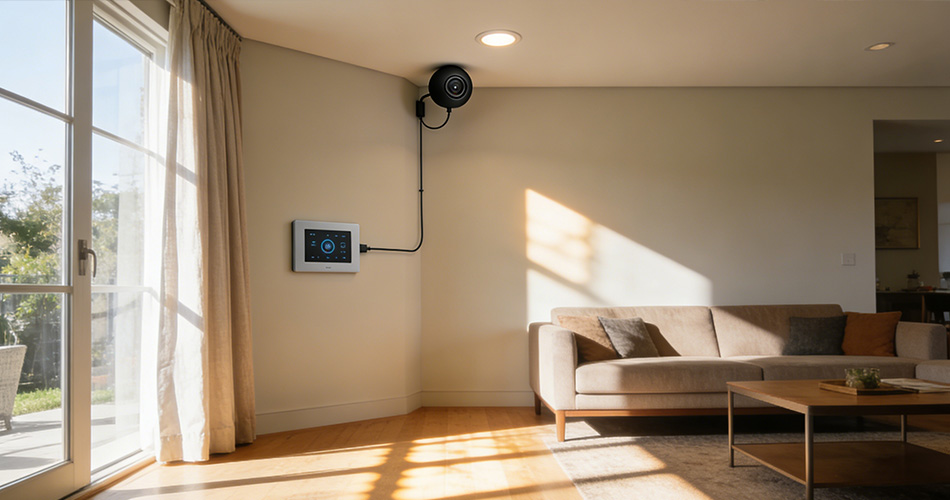
A typical daylight harvesting system functions as follows:
Sensors detect the amount of daylight entering the space through windows, skylights, or other natural light sources.
Control systems use this information to adjust the lighting accordingly, dimming or turning off the artificial lights when there is enough natural light.
Automated daylight harvesting sensors continuously monitor the natural light levels, ensuring that the system operates optimally throughout the day.
Energy Savings: The primary benefit of daylight harvesting is energy efficiency. According to studies, daylight harvesting energy savings can reduce artificial lighting use by up to 75%, depending on the building's design and the amount of available daylight.
Improved Lighting Quality: By automatically adjusting the lighting based on natural light, daylight harvesting creates a more consistent and comfortable lighting environment, avoiding overly bright or dim spaces.
Reduced Environmental Impact: By reducing the need for artificial lighting, daylight harvesting systems help decrease the building's overall energy consumption, lowering the carbon footprint and contributing to sustainability goals.
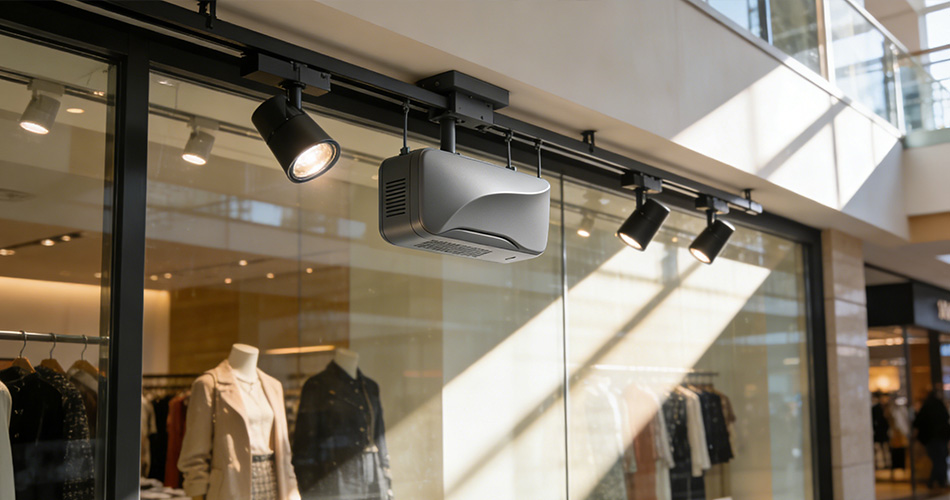
Automated daylight harvesting sensors are the backbone of the daylight harvesting system. These sensors measure the intensity of daylight and send data to the lighting control system to adjust the lighting accordingly. Advanced sensors can measure daylight levels in different areas of the room, enabling targeted dimming of lights in areas where natural light is abundant.
These sensors work continuously throughout the day, adjusting to changes in daylight due to cloud cover, time of day, or changes in the position of the sun. As a result, they help maintain optimal light levels while minimizing energy waste.
To ensure accurate and effective operation, daylight harvesting control calibration is essential. Calibration involves adjusting the sensors and control systems to match the specific lighting needs of a space. For example, the control system needs to account for factors like window size, room orientation, and the desired light levels in the space.
Proper calibration ensures that the system responds accurately to daylight levels, preventing over- or under-lighting. It also helps avoid situations where the system might overcompensate by dimming too much or failing to adjust when needed. Calibration should be done during the system's initial setup and periodically afterward to ensure long-term efficiency.
Continuous dimming daylight harvesting is an advanced feature that allows the lighting system to gradually adjust the light levels based on the amount of available daylight. Instead of simply turning lights off or on, continuous dimming systems can dim the lights in small increments, providing more precise control over the lighting environment.
This capability is particularly useful in spaces with varying daylight throughout the day. It helps maintain a consistent, comfortable lighting level for occupants, regardless of fluctuations in natural light. Additionally, continuous dimming can contribute to greater energy savings, as it allows for fine-tuned adjustments rather than drastic on/off switches.
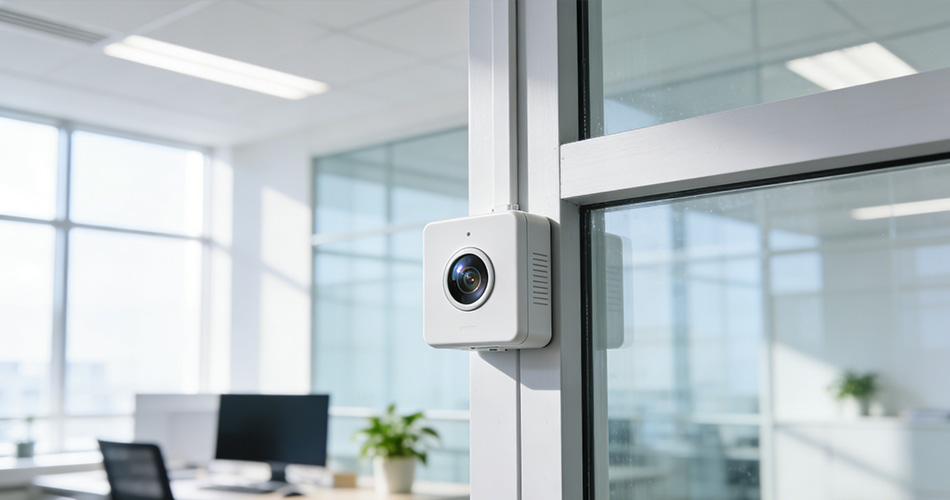
The first step in implementing a daylight harvesting system is designing the system to match the specific needs of your building. Key factors to consider include:
The building's layout, including the placement of windows, skylights, and other sources of natural light
The types of lighting fixtures used and their compatibility with dimming systems
Occupancy patterns and the types of activities performed in different areas
Choosing the right automated daylight harvesting sensors is crucial for system performance. Sensors should be placed in locations where they can accurately measure the available daylight without interference from artificial lighting or obstructions. Proper sensor placement ensures that the system responds accurately to changes in daylight levels.
Once the system is installed, it is important to calibrate the sensors and lighting controls. This ensures that the system adapts to the specific lighting needs of each space. Integration with existing building management systems (BMS) can further enhance the system's efficiency, allowing for centralized control and monitoring.
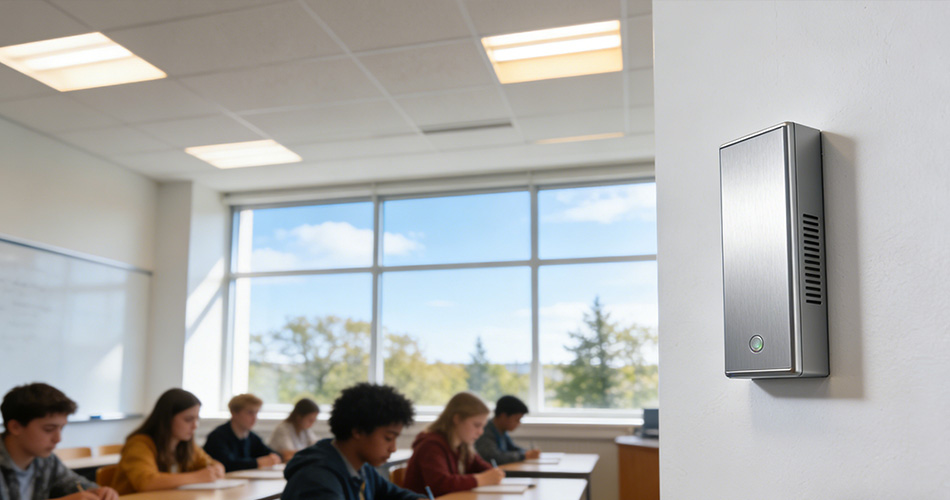
Consider a commercial office building with large windows along its perimeter. By implementing a daylight harvesting system, the building can reduce its artificial lighting usage by up to 50% during daylight hours. The system continuously adjusts the lighting based on available daylight, ensuring that artificial lights are only used when necessary. As a result, the building owner experiences significant energy savings, reduced utility costs, and improved environmental performance.
A: Daylight harvesting is a lighting control strategy that adjusts artificial lighting based on the amount of natural daylight available in a space. The goal is to reduce energy consumption while maintaining optimal lighting levels.
A: These sensors detect the amount of natural light in a room and send data to a lighting control system, which automatically dims or turns off the artificial lights based on the available daylight.
A: Continuous dimming daylight harvesting gradually adjusts the artificial lighting based on the level of daylight available, providing precise control and maintaining a comfortable lighting environment throughout the day.
A: Daylight harvesting energy savings can reduce artificial lighting usage by up to 75%, depending on the amount of natural light in the space. This results in significant energy savings and lower utility costs.
A: Daylight harvesting control calibration involves adjusting the sensors and control systems to match the specific lighting needs of the space, ensuring the system responds accurately to changes in daylight and provides optimal energy savings.
Daylight harvesting is a powerful tool for improving energy efficiency in commercial buildings. By using automated daylight harvesting sensors and implementing continuous dimming strategies, businesses can significantly reduce energy consumption and create a more comfortable and sustainable environment. Proper control calibration ensures that the system operates at peak efficiency, delivering maximum daylight harvesting energy savings while maintaining the right lighting levels for various tasks and activities.
If you’re looking to enhance the energy efficiency of your building, consider implementing a daylight harvesting system. Reach out to an expert to get started on optimizing your lighting strategy today.


)
)
)
)

+86 15899791249

+86 755 2955 3313


Address: Huafeng No.1 Science and Technology Park, Sanwei, Bao'an District, Shenzhen, Guangdong, China.
