

Time:2025-12-03
In the evolving landscape of smart commercial buildings, the pursuit of energy optimization, operational agility, and user-centric experiences has driven the adoption of advanced lighting solutions. Dynamic zone lighting scheduling management systems have emerged as a transformative technology, enabling businesses to tailor lighting operations to specific zones and real-time needs through intelligent scheduling. Unlike rigid traditional lighting setups, these systems combine zone-based control with dynamic scheduling capabilities, redefining how facility managers oversee lighting in complex spaces ranging from multi-floor offices to large-scale retail centers. As sustainability goals and operational efficiency become top priorities, dynamic zone lighting scheduling management systems are becoming a cornerstone of modern commercial facility management.
At its core, dynamic zone lighting scheduling management systems integrate two key functionalities: granular zone-based lighting control and flexible, adaptive scheduling. This combination addresses the limitations of conventional lighting systems, which often rely on fixed schedules or manual adjustments that fail to account for fluctuating occupancy, natural light conditions, or operational changes. By partitioning commercial spaces into distinct zones and enabling dynamic schedule adjustments, these systems deliver unparalleled flexibility and efficiency.
A primary advantage is precise energy waste reduction. Traditional lighting schedules are often static, meaning lights may remain on in unoccupied zones or at inappropriate brightness levels when natural light is abundant. Dynamic zone lighting scheduling management systems resolve this by allowing schedules to be tailored to zone-specific usage patterns. For example, a retail store can set dynamic schedules for product display zones, adjusting brightness during peak shopping hours and dimming during lulls, while maintaining safety lighting in corridor zones. Additionally, these systems can integrate with light sensors to automatically adjust scheduling based on natural light intensity, further minimizing unnecessary energy consumption—often reducing lighting-related energy costs by 30-45%.
Operational simplicity and agility are another key benefit. Facility managers can create, modify, and deploy schedules for multiple zones through a centralized platform, eliminating the need for manual adjustments across individual fixtures. Dynamic scheduling also supports real-time adaptations to unexpected changes, such as extended operating hours for a conference room or last-minute events in a banquet hall. This agility ensures that lighting always aligns with actual operational needs, enhancing user experience while avoiding energy waste. Moreover, the zone-based approach allows for customized scheduling for different areas, such as setting stricter energy-saving schedules for back-office zones while maintaining optimal lighting conditions for customer-facing areas.
Enhanced user comfort and productivity are also integral to the value of these systems. In commercial spaces like offices or educational institutions, lighting needs vary by activity and time of day. Dynamic zone lighting scheduling management systems can be programmed to adjust light intensity and color temperature across zones to match human circadian rhythms—bright, cool lighting during morning work hours to boost alertness and warm, soft lighting in the afternoon to reduce eye strain. For open-plan offices, different work zones can have tailored schedules: collaborative zones maintain consistent brightness throughout the day, while focus zones dim slightly during peak concentration periods. This customization creates a more comfortable environment that supports productivity and well-being.
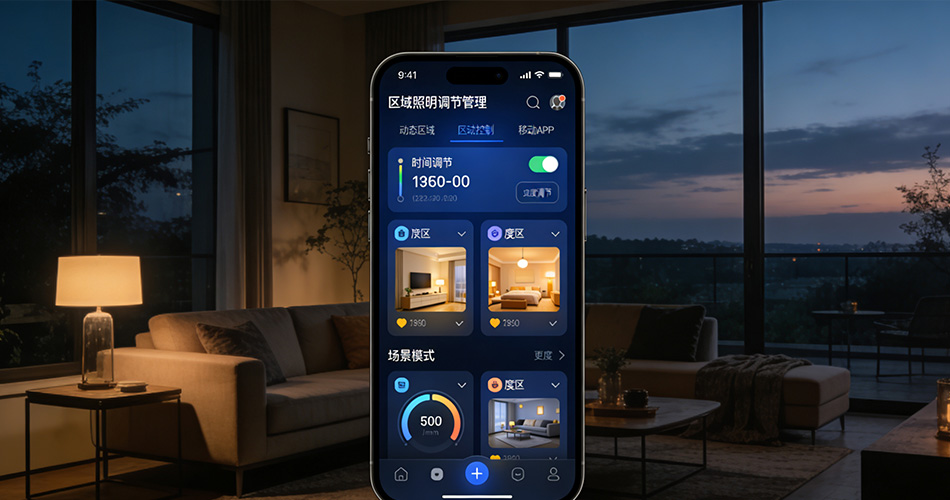
Dynamic zone lighting scheduling management systems are versatile enough to adapt to the unique needs of diverse commercial sectors, leveraging zone-based dynamic scheduling to address industry-specific challenges.
In retail environments, these systems play a pivotal role in enhancing the shopping experience while optimizing energy use. Retailers can divide their spaces into zones such as product aisles, fitting rooms, checkout areas, and promotional displays. Dynamic schedules can be set to highlight promotional zones with brighter lighting during peak shopping times (e.g., weekends or holiday sales) and dim non-essential zones during off-peak hours. Fitting room zones can be programmed to activate specific lighting scenes when occupied, such as warm lighting to flatter clothing, while checkout zones maintain consistent brightness to support efficient transactions. This level of customization not only improves the customer experience but also reduces energy waste in large retail spaces.
Office buildings and corporate campuses benefit significantly from dynamic zone lighting scheduling management systems. Facilities can be zoned by department, floor, or room type (e.g., meeting rooms, open workspaces, break rooms). For example, meeting room zones can have schedules that activate lighting 15 minutes before scheduled meetings and turn off automatically 10 minutes after the meeting ends, based on calendar integrations. Open workspace zones can integrate with occupancy sensors and natural light sensors to adjust schedules dynamically—dimming lights when occupancy is low or natural light is sufficient. Break rooms can have relaxed lighting schedules during lunch hours, creating a more inviting space for employees. This targeted approach ensures that lighting aligns with actual workplace activity, enhancing productivity and reducing energy costs.
Industrial facilities and warehouses rely on these systems to balance safety, productivity, and energy efficiency. Large industrial spaces can be zoned into production lines, storage areas, loading docks, and administrative offices. Production zone schedules can be synchronized with shift times, ensuring bright lighting during operational shifts and dimming to safety levels during downtime. Storage zones can use motion-triggered dynamic schedules, activating full lighting only when personnel are present and maintaining low-level safety lighting otherwise. Loading dock zones can have schedules that adjust based on delivery times, ensuring optimal visibility during peak delivery hours. The wireless and dynamic nature of these systems also eliminates the need for frequent manual adjustments in large, hard-to-reach industrial spaces.
Hospitality venues, such as hotels and resorts, use dynamic zone lighting scheduling management systems to create cohesive yet flexible guest experiences. Venues can be zoned into lobbies, guest floors, restaurants, bars, and event spaces. Lobby zones can have dynamic schedules that shift lighting throughout the day—bright and welcoming in the morning, warm and ambient in the evening—to match the time of day and guest flow. Guest room zones allow for personalized schedules, with guests able to set preferred lighting times via in-room controls, while common area zones (e.g., hallways) maintain low-level lighting during nighttime hours for safety and energy savings. Event spaces can have pre-programmed dynamic schedules for different event types, such as weddings, conferences, or dinners, with lighting adjusting automatically to match the event’s progression.
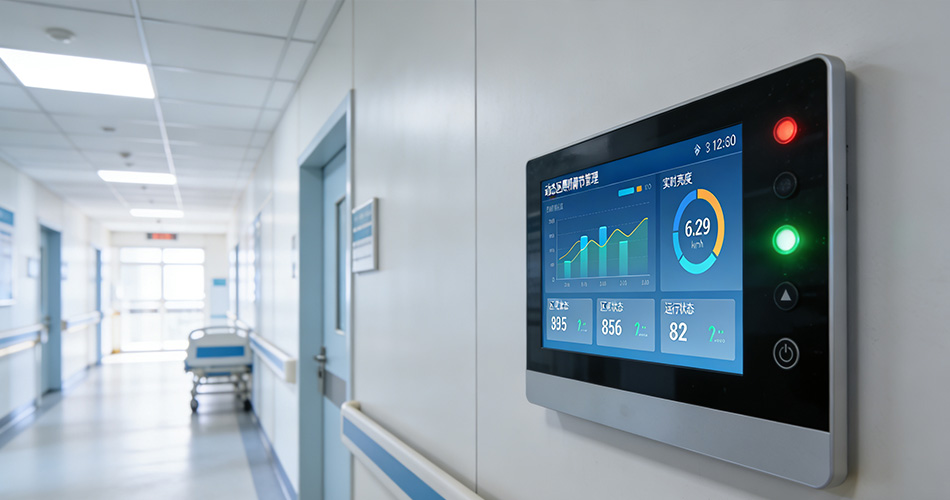
As smart building technology continues to advance, dynamic zone lighting scheduling management systems are poised to become even more intelligent and integrated. A key trend is the integration of artificial intelligence (AI) and machine learning (ML) algorithms. AI-powered systems can analyze historical data on zone occupancy, energy use, and natural light patterns to automatically optimize schedules. For example, an ML algorithm might identify that a particular office zone is consistently unoccupied on Friday afternoons and adjust the schedule to dim lights during that period, or predict increased occupancy in a retail zone during holiday seasons and pre-adjust lighting accordingly. This predictive capability ensures that lighting schedules are proactive rather than reactive, maximizing efficiency.
Interoperability with broader smart building ecosystems is another growing trend. Dynamic zone lighting scheduling management systems are increasingly being integrated with building management systems (BMS), HVAC systems, and security systems. This integration creates a holistic facility management approach where lighting works in tandem with other systems. For instance, if a security system detects unusual activity in an unoccupied zone, the lighting system can trigger a temporary schedule change to brighten the zone, while alerting facility managers. Similarly, integration with HVAC systems can coordinate lighting and temperature adjustments based on zone occupancy, further enhancing overall building efficiency.
Cloud-based and mobile management is also shaping the future of these systems. Modern dynamic zone lighting scheduling management systems offer cloud-based platforms that enable remote access and real-time monitoring from any device with an internet connection. Facility managers can adjust schedules, monitor energy use across zones, and receive alerts about system issues from anywhere, improving operational responsiveness. Mobile apps with user-friendly dashboards make it easy to manage lighting schedules on the go, while cloud-based analytics provide actionable insights into zone performance and energy savings opportunities.
In conclusion, dynamic zone lighting scheduling management systems are revolutionizing commercial lighting operations by combining zone-based control with adaptive scheduling capabilities. Their ability to reduce energy waste, enhance operational agility, and improve user comfort makes them an essential solution for modern commercial spaces. From retail stores and offices to industrial facilities and hospitality venues, these systems deliver tangible benefits that align with sustainability goals and operational efficiency objectives. As AI integration, system interoperability, and cloud-based management continue to advance, dynamic zone lighting scheduling management systems will play an increasingly vital role in the future of smart commercial buildings, helping businesses create more efficient, sustainable, and user-centric spaces.


)
)
)
)

+86 15899791249

+86 755 2955 3313


Address: Huafeng No.1 Science and Technology Park, Sanwei, Bao'an District, Shenzhen, Guangdong, China.
