

Time:2025-10-22
In today's world, energy efficiency and automation have become essential components of building management. One such area that has seen remarkable advancements is building wide lighting control. This system not only enhances energy efficiency but also offers automated control over lighting, leading to significant savings and improved comfort. In this article, we'll delve into the benefits of building wide lighting control systems, how they work, and why they are a smart investment for any property.
Building wide lighting control refers to a comprehensive system that manages all the lighting within a building. Unlike traditional lighting setups, which rely on manual switches, these systems use advanced technologies to automate and optimize lighting based on various factors like occupancy, time of day, and natural light availability.
Sensors: Detect occupancy and ambient light levels to adjust lighting automatically.
Controllers: Central units that process sensor data and manage lighting outputs.
User Interfaces: Allow users to manually override settings and customize lighting preferences.
Communication Networks: Connect all components, enabling seamless interaction and control.
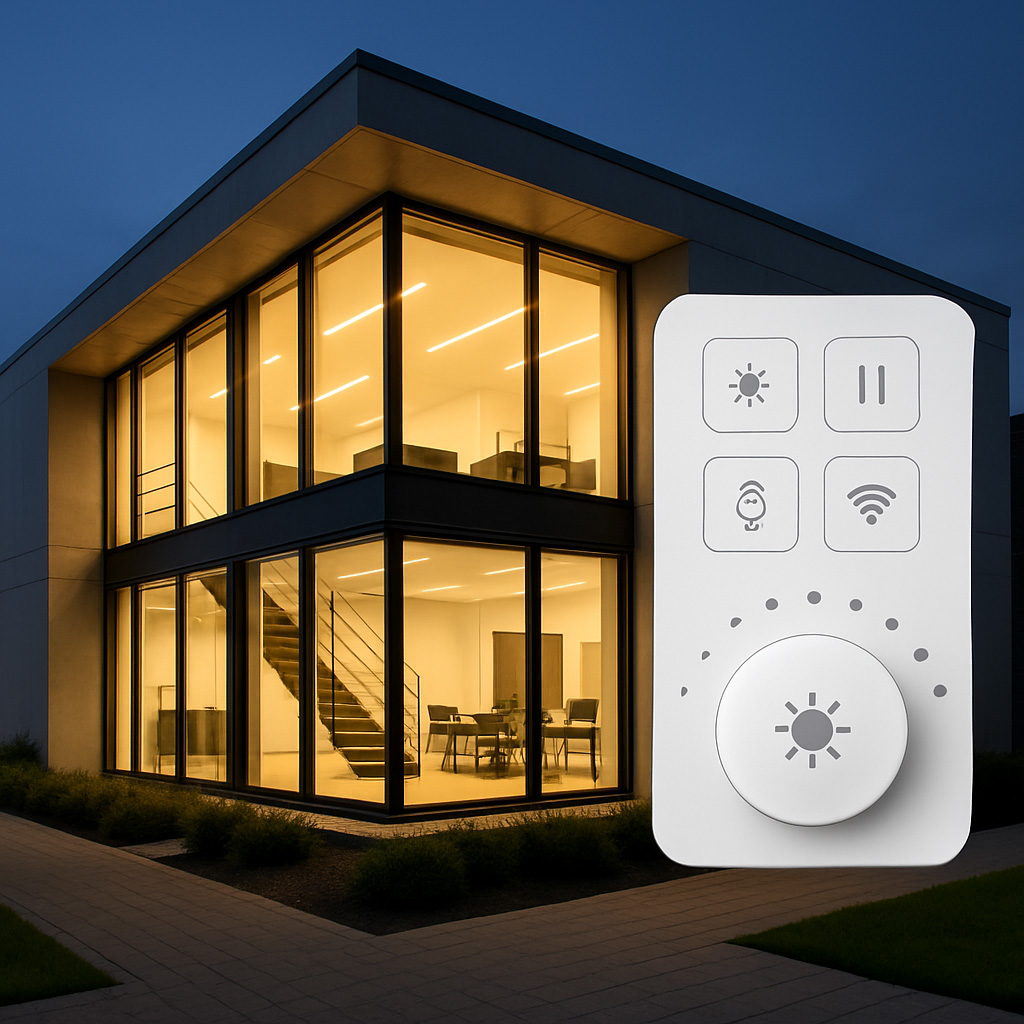
Implementing a building wide lighting control system offers several advantages that can lead to substantial improvements in energy efficiency and user satisfaction.
One of the primary benefits of automated lighting control is energy efficiency. By adjusting the lighting based on occupancy and natural light levels, these systems reduce energy consumption significantly. For instance, lights can automatically dim or turn off in unoccupied areas, reducing wasted electricity.
Reduced energy consumption directly translates into lower utility bills. Over time, the savings on electricity costs can offset the initial investment in a lighting control system. Additionally, many utility companies offer rebates or incentives for installing energy-efficient systems, further enhancing cost-effectiveness.
Automated lighting control systems provide a higher level of comfort and convenience for building occupants. With features like daylight harvesting, which adjusts lighting to complement natural light, and personalized settings, users can enjoy optimal lighting conditions without manual intervention.
By using lighting only when necessary and at the appropriate levels, automated systems help extend the lifespan of bulbs. This not only reduces replacement costs but also minimizes maintenance efforts.
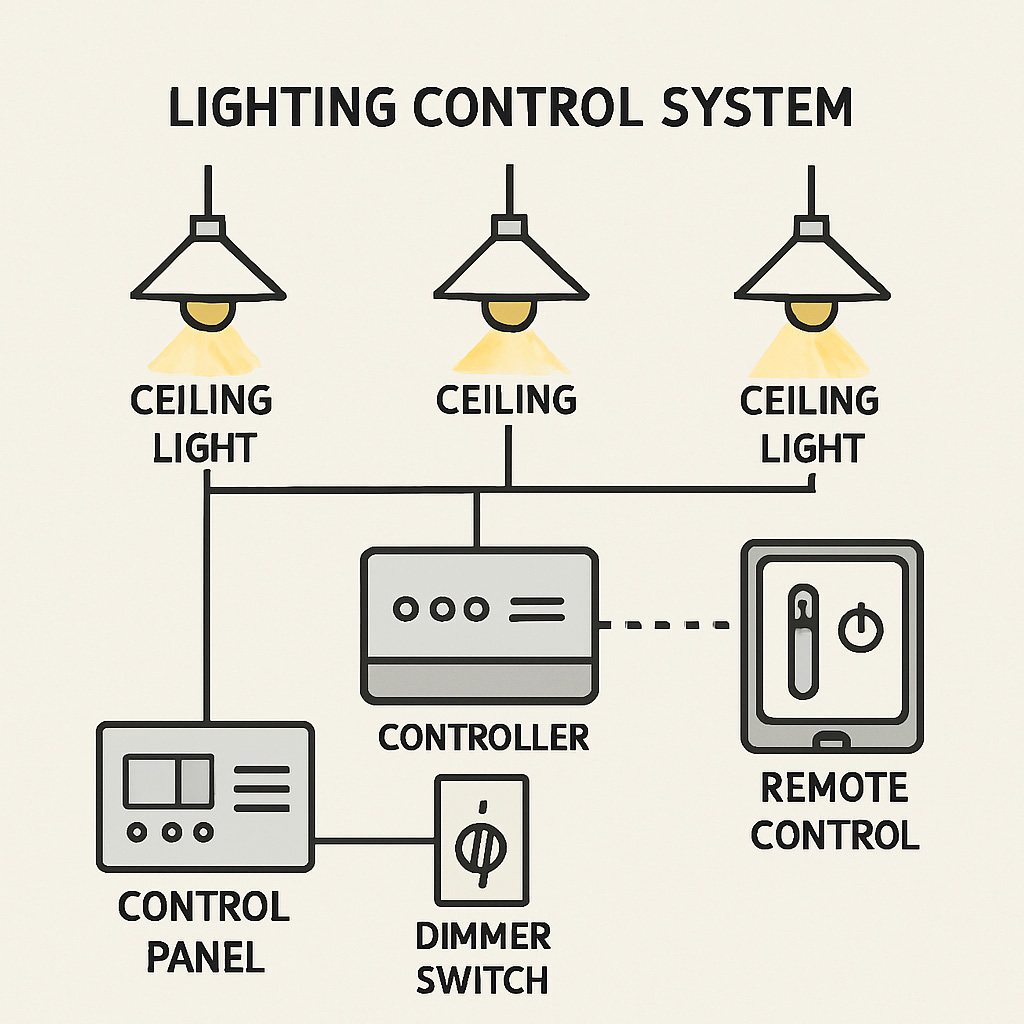
Automated lighting control systems operate through a combination of sensors, controllers, and software. Here's a closer look at how these components work together to provide efficient lighting management.
Sensors play a crucial role in detecting changes in the environment. Occupancy sensors identify when an area is in use, while light sensors measure the amount of natural light available. This data is then relayed to the central controller.
The controller processes the sensor data and decides the appropriate lighting action. For example, if an occupancy sensor detects movement in a room, the controller may activate the lights. Conversely, if ample natural light is present, the controller might dim the artificial lighting.
All components in the system communicate via a network, allowing for coordinated control. This network can be wired or wireless, depending on the setup. Users can interact with the system through interfaces like wall-mounted panels or mobile apps, offering flexibility and ease of use.

Investing in a building wide lighting control system is a smart decision for several reasons. Beyond the immediate benefits of energy savings and enhanced comfort, these systems contribute to sustainable building practices and increased property value.
By reducing energy consumption, automated lighting systems play a significant role in minimizing a building's carbon footprint. This aligns with global efforts to combat climate change and promotes a more sustainable environment.
Properties equipped with advanced lighting control systems are often more attractive to potential buyers or tenants. The promise of lower energy bills and modern amenities can increase the market value of a building, making it a worthwhile investment.
As technology continues to advance, having a scalable and adaptable lighting control system ensures that your building remains up-to-date. Many systems can integrate with other smart technologies, offering opportunities for future enhancements and expanded capabilities.
Building wide lighting control systems represent a significant step forward in building management. By combining energy efficiency, automation, and user-friendly interfaces, these systems offer numerous benefits that make them an essential part of modern building design. Whether you're looking to reduce energy costs, enhance occupant comfort, or increase your property's value, investing in a lighting control system is a decision that promises substantial returns. Consider exploring the available options and take the first step towards a brighter, more efficient future.


)
)
)
)

+86 15899791249

+86 755 2955 3313


Address: Huafeng No.1 Science and Technology Park, Sanwei, Bao'an District, Shenzhen, Guangdong, China.
