

Time:2025-10-23
In today’s world, safety is a paramount concern, and having a reliable emergency lighting system is crucial in ensuring that buildings are safe for occupants. Emergency lighting systems provide illumination when the main power supply fails, making it possible for people to evacuate safely. As technology advances, smart lighting solutions are becoming more prevalent, offering enhanced capabilities for monitoring and managing these essential systems. In this guide, we will explore the configuration guidelines for an emergency lighting monitoring network, helping you understand how to set up and maintain an effective system.
Emergency lighting monitoring networks are systems designed to ensure that all emergency lights within a building are functioning correctly. These networks can monitor the status of each light, report faults, and facilitate regular testing and maintenance. By using smart lighting solutions, building managers can gain real-time insights into their emergency lighting systems, helping to ensure compliance with safety regulations and minimize downtime.
Before diving into the configuration process, it's essential to understand the key components that make up an emergency lighting monitoring network:
Emergency Lights: These are the actual lighting fixtures that provide illumination during a power outage.
Control Panel: The central hub that communicates with all the emergency lights in the system.
Sensors and Detectors: Devices that monitor the status of each light and detect any malfunctions.
Communication Network: The infrastructure that connects all components, enabling data transmission and remote management.

Setting up an emergency lighting monitoring network involves several steps. Below, we outline the key guidelines to help you configure a robust and efficient system.
The first step in configuring an emergency lighting monitoring network is to assess the specific needs of your building. This involves identifying the number of emergency lights required, their placement, and any specific features you may need, such as dimming capabilities or remote monitoring.
Consider the layout of your building and the areas that require the most coverage. High-traffic areas, stairwells, and exits are critical locations that should have adequate lighting.
With a clear understanding of your building’s needs, you can now select the appropriate smart lighting solutions. Look for products that offer easy integration with your existing systems, reliable performance, and user-friendly interfaces. Consider factors such as:
Compatibility: Ensure that the smart lighting solutions are compatible with your existing infrastructure.
Scalability: Choose a system that can be easily expanded as your needs grow.
Ease of Use: Opt for solutions that are intuitive and easy to manage.
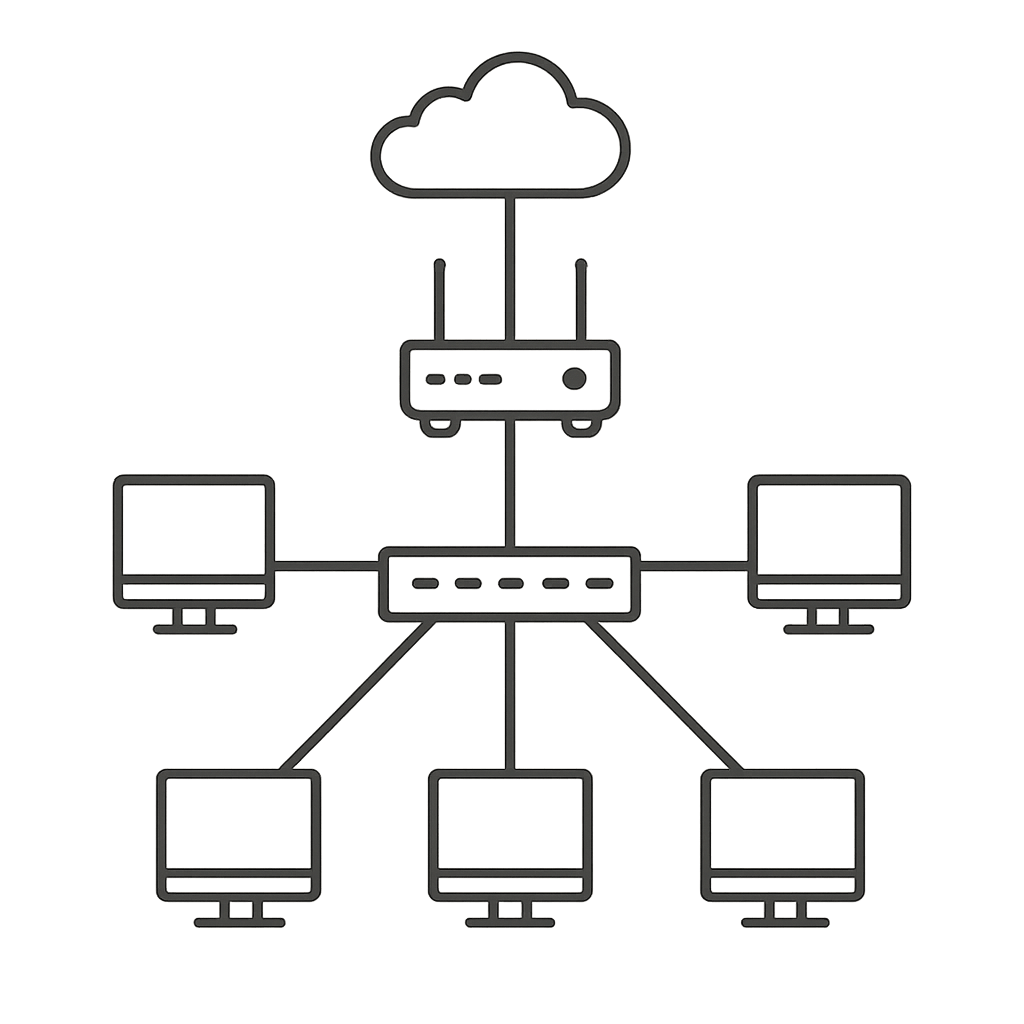
The communication network is a critical component of an emergency lighting monitoring system. It enables the control panel to communicate with each emergency light, facilitating real-time monitoring and management. When designing the communication network, consider the following:
Network Topology: Decide on the best network topology for your building, whether it be a star, ring, or mesh configuration.
Wired vs. Wireless: Determine whether a wired or wireless network is more suitable for your building’s layout and infrastructure.
Data Security: Implement measures to secure the network against unauthorized access and potential cyber threats.
Once you have designed the communication network, the next step is to install and configure the system. This involves:
Installing Emergency Lights: Position the emergency lights according to your building’s layout and requirements.
Setting Up the Control Panel: Install the control panel in a central locati0n, ensuring it can communicate with all connected devices.
Configuring Sensors and Detectors: Install sensors and detectors to monitor the status of each light and detect any malfunctions.
After installation, it’s crucial to test the system to ensure it functions correctly. Regular maintenance is also necessary to keep the system in optimal condition. Here’s what you need to do:
Conduct Regular Tests: Perform regular tests to ensure all emergency lights are functioning as expected. This includes monthly functional tests and annual full-duration tests.
Monitor System Performance: Use the control panel to monitor the system’s performance, checking for any faults or issues.
Schedule Maintenance: Plan regular maintenance checks to replace any faulty lights and update software as needed.
Implementing a well-configured emergency lighting monitoring network offers several benefits, including:
Enhanced Safety: Provides reliable illumination during emergencies, ensuring safe evacuation.
Regulatory Compliance: Helps meet safety regulations and standards, reducing the risk of fines and penalties.
Cost Efficiency: Minimizes downtime and reduces maintenance costs through proactive monitoring and management.
Peace of Mind: Offers building managers peace of mind knowing that their emergency lighting system is in good working order.
Configuring an emergency lighting monitoring network is a crucial step in ensuring the safety and compliance of your building. By following these guidelines, you can set up a reliable and efficient system that provides real-time insights and enhances the safety of occupants. Remember to regularly test and maintain the system to ensure its continued effectiveness.
Incorporating smart lighting solutions into your emergency lighting system can significantly improve its functionality and reliability, providing you with the tools needed to manage and monitor your lighting infrastructure effectively. With the right configuration and ongoing maintenance, you can ensure that your building remains safe and compliant at all times.


)
)
)
)

+86 15899791249

+86 755 2955 3313


Address: Huafeng No.1 Science and Technology Park, Sanwei, Bao'an District, Shenzhen, Guangdong, China.
