

Time:2025-10-10
In today's world, safety is paramount, especially when it comes to emergency lighting in buildings. Emergency lighting power packs play a crucial role in ensuring that buildings remain safe and navigable during power outages. This article will guide you through the compliance guidelines for installing emergency lighting power packs, making sure you're fully informed and compliant with regulations.
Emergency lighting power packs are essential components of a building's safety system. These devices ensure that emergency lights remain functional during a power cut, providing visibility and safety for occupants to exit the building safely.
Emergency lighting power packs are battery-powered units that supply power to emergency lighting systems when the main power supply fails. These power packs are typically integrated into the lighting system or installed as separate units, depending on the building’s requirements.
Their importance cannot be overstated. In an emergency, such as a fire or natural disaster, power outages can create dangerous situations. Emergency lighting power packs ensure that pathways, exits, and safety equipment are illuminated, helping to prevent panic and guiding occupants to safety.
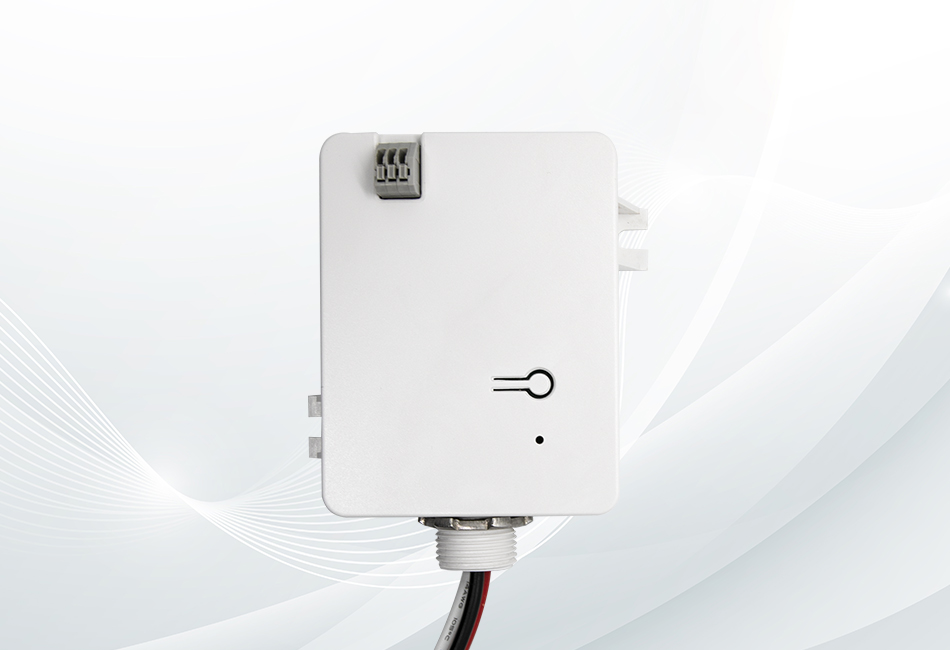
When installing emergency lighting power packs, it's crucial to adhere to specific compliance guidelines to ensure safety and legality.
There are various standards and regulations you need to be aware of when installing these systems. Most countries have their own set of rules, but some key international standards include:
BS 5266-1 (UK): This standard provides guidelines for emergency lighting in buildings, including design, installation, and maintenance.
NFPA 101 (USA): Known as the Life Safety Code, this standard outlines the requirements for emergency lighting and power systems.
AS/NZS 2293 (Australia/New Zealand): This standard covers the emergency evacuation lighting for buildings, including system design and maintenance.
Installing emergency lighting power packs involves several critical steps to ensure compliance with safety standards.
Assess Building Layout: Understand the building's layout to determine the optimal placement for emergency lights. Focus on key areas like exits, stairways, and high-traffic zones.
Avoid Obstacles: Ensure that emergency lights are not obstructed by fixtures or furniture, which could impede their effectiveness.
Follow Manufacturer Instructions: Always adhere to the manufacturer's installation guidelines for the specific power pack model.
Use Qualified Personnel: Installation should be carried out by certified electricians or technicians who are familiar with compliance standards.
Secure Mounting: Ensure all components are securely mounted and connected to avoid any malfunction during an emergency.
Regular Testing: Conduct regular tests to ensure the power packs function correctly. This includes both visual inspections and operational tests.
Routine Maintenance: Schedule routine maintenance checks to replace batteries and address any issues that may arise over time.
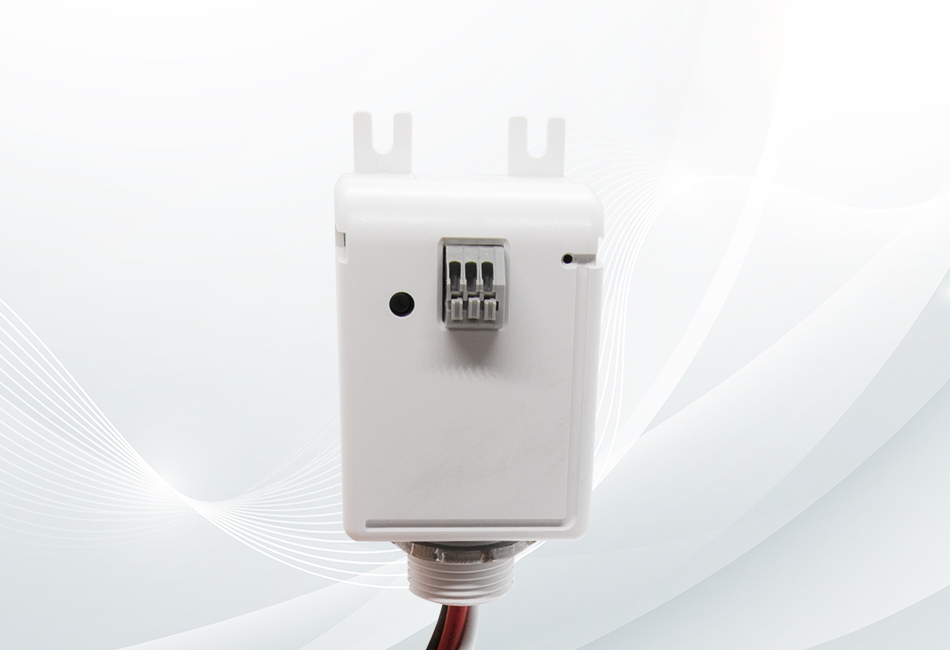
Choosing the right emergency lighting power packs is crucial for effective compliance and safety.
Power Capacity: Ensure the power pack can support the emergency lighting system for the required duration during an outage.
Compatibility: Verify that the power pack is compatible with the existing lighting system.
Durability: Look for units that are robust and reliable, especially if installed in environments with harsh conditions.
Consider consulting with professionals or suppliers who specialize in emergency power solutions to help you select the most suitable power packs for your needs.
Even with the best intentions, mistakes can happen during the installation of emergency lighting power packs. Here are some common pitfalls and tips on how to avoid them:
Failing to adhere to local and international compliance standards can lead to unsafe installations. Always stay updated with the latest regulations and ensure all guidelines are strictly followed.
Skipping regular testing and maintenance can result in system failures during an emergency. Implement a rigorous testing schedule to ensure reliability.
Installing lights in the wrong locations can render them ineffective. Carefully plan the placement of each light to maximize coverage and visibility.
Installing emergency lighting power packs is a critical aspect of building safety. By following the compliance guidelines and best practices outlined in this article, you can ensure that your emergency lighting system is both effective and compliant with regulations. Regular testing and maintenance, along with professional consultation, will help keep your system reliable and ready for any emergency situation.
Stay informed, stay compliant, and most importantly, keep your building safe with proper emergency lighting power packs installation.s


)
)
)
)

+86 15899791249

+86 755 2955 3313


Address: Huafeng No.1 Science and Technology Park, Sanwei, Bao'an District, Shenzhen, Guangdong, China.
