

Time:2025-10-10
In today's world, safety and security are of utmost importance, especially in public spaces and workplaces. Among the various safety measures, emergency lighting plays a crucial role in ensuring that people can safely evacuate a building during a power outage or emergency situation. A key component of any emergency lighting system is the emergency lighting power pack. In this article, we'll explore what emergency lighting power packs are, how they work, and why they are essential for safety.
Emergency lighting power packs, also known as power supply units or emergency light batteries, are devices designed to provide backup power to emergency lighting systems when the main electrical supply fails. They are crucial in ensuring that emergency lights remain operational during power outages, fires, or other emergencies.
These power packs typically consist of a rechargeable battery, a charging circuit, and an inverter that converts the battery's DC power into AC power suitable for lighting fixtures. The battery is continually charged during normal operation and automatically takes over when the main power supply is interrupted.
To understand the working of emergency lighting power packs, it's essential to comprehend the basic components involved:
Rechargeable Battery: The heart of the power pack, this battery stores electrical energy and provides power to the emergency lights when needed. Common types include nickel-cadmium (NiCd), nickel-metal hydride (NiMH), and lithium-ion batteries.
Charging Circuit: This component ensures that the battery is charged and ready for use at all times. It regulates the charging process to prevent overcharging and prolong the battery's lifespan.
Inverter: The inverter converts the DC power stored in the battery into AC power to match the requirements of standard lighting fixtures. This conversion is crucial for operating most emergency lighting systems.
Under normal conditions, the emergency lighting power pack remains inactive while the main power supply keeps the lights on. The charging circuit maintains the battery at full charge, ensuring it is ready for immediate activation.
When a power outage occurs, the emergency lighting power pack automatically activates. The battery begins to supply power to the inverter, which then powers the emergency lights. This seamless transition ensures that the lights remain on, guiding occupants to safety.
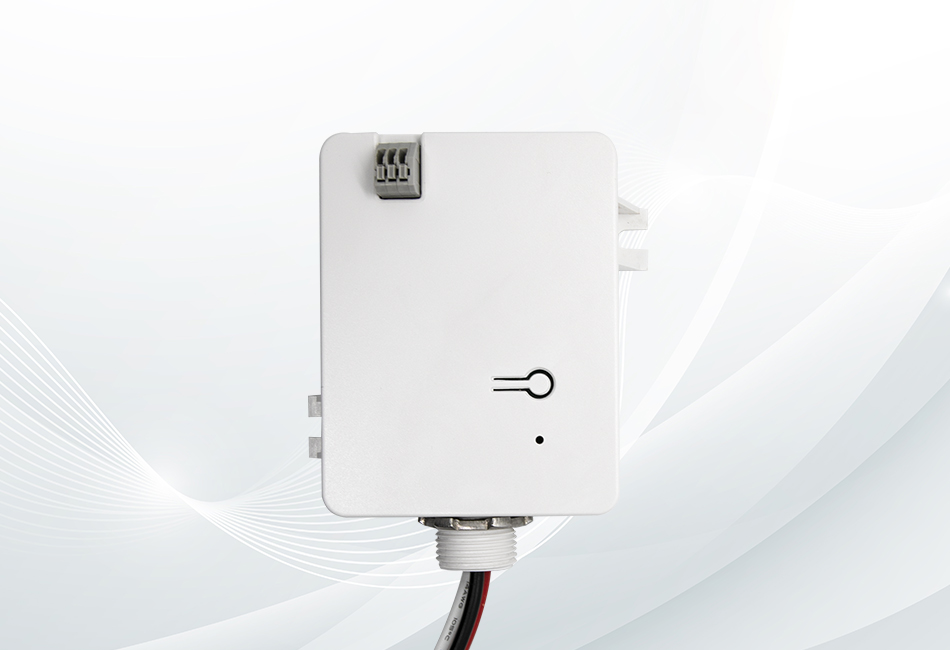
The importance of emergency lighting power packs cannot be overstated. Here are some key reasons why they are essential:
During emergencies, panic and confusion can ensue. Emergency lighting provides a clear path for evacuation, helping to reduce anxiety and prevent accidents. Power packs ensure that these lights stay on, even when the main power source fails.
Many building codes and safety regulations require the installation of emergency lighting systems in commercial and public buildings. Emergency lighting power packs are a vital component of these systems, ensuring compliance with legal requirements.
From hospitals and schools to shopping malls and office buildings, emergency lighting power packs enhance safety in a wide range of settings. They provide critical illumination during emergencies, allowing people to navigate safely and quickly.
There are several types of emergency lighting power packs available, each designed to meet specific needs and preferences. Some of the most common types include:
These units are integrated with individual emergency lights, making them ideal for smaller installations. They are easy to install and maintain, providing a straightforward solution for basic emergency lighting needs.
Central battery systems are designed for larger installations, where multiple emergency lights are connected to a single, centralized power source. This setup simplifies
maintenance and allows for more efficient power distribution.
Modular systems offer flexibility and scalability, allowing for the addition of more power packs as needed. They are suitable for both small and large installations, providing a customizable solution for emergency lighting.
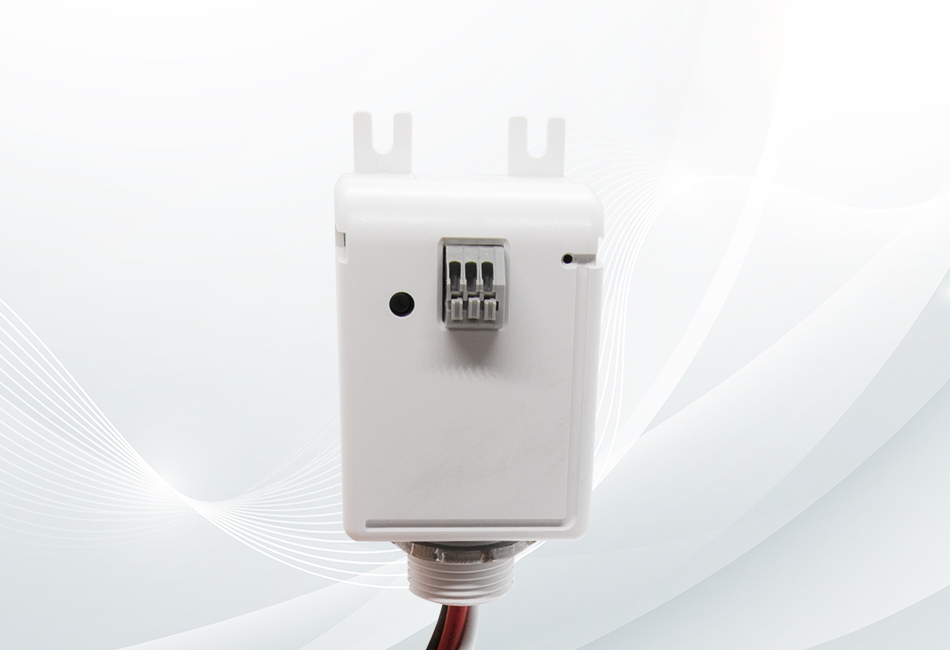
To ensure the reliability of emergency lighting power packs, regular maintenance and testing are essential. Here are some key maintenance practices:
Conduct regular tests to ensure that the power packs activate as expected during a power outage. This can include monthly functional tests and annual full-discharge tests to assess battery performance.
Over time, the batteries in emergency lighting power packs may degrade and lose their ability to hold a charge. Replace batteries as needed to maintain the system's effectiveness.
Regular visual inspections can help identify any physical damage or wear and tear on the power packs. Address any issues promptly to prevent system failures.
When selecting an emergency lighting power pack, consider the following factors:
Ensure that the power pack has sufficient capacity to power the emergency lights for the required duration. Most regulations require emergency lights to operate for at least 90 minutes during an outage.
Choose a power pack that is compatible with the type of emergency lights installed in the building. Check the voltage and power requirements to ensure a proper match.
Invest in high-quality power packs from reputable manufacturers. Reliable products offer peace of mind and ensure the safety of occupants during emergencies.
Emergency lighting power packs are a critical component of any safety and security strategy. They ensure that emergency lights remain operational during power outages, helping to guide occupants to safety. By understanding the importance, types, and maintenance of these power packs, building owners and facility managers can enhance safety and compliance in their spaces. Choose the right power pack for your needs and ensure regular maintenance to keep your emergency lighting system in top condition.


)
)
)
)

+86 15899791249

+86 755 2955 3313


Address: Huafeng No.1 Science and Technology Park, Sanwei, Bao'an District, Shenzhen, Guangdong, China.
