

Time:2025-11-27
In an era where technological evolution and business growth are constant, future proof scalable lighting control architecture has become a cornerstone investment for commercial spaces. This innovative framework redefines smart lighting from a static system to a dynamic, grow-with-you infrastructure—enabling businesses to adapt to new technologies, expand operations, and optimize performance without costly overhauls. For enterprises leveraging commercial smart lighting solutions—including intelligent sensors, controllers, remotes, gateways, and switches—future proof scalable lighting control architecture ensures that their lighting ecosystem remains relevant, efficient, and aligned with long-term business goals, whether navigating hybrid work models, multi-site expansion, or emerging IoT integrations.
Traditional lighting control systems are built with fixed capabilities, leaving businesses trapped in outdated technology as needs evolve. A retail chain expanding to new locations might face incompatible control protocols; an office adopting hybrid work could struggle to integrate flexible lighting schedules; a hospitality brand embracing IoT might find its existing system unable to sync with guest experience tools. Future proof scalable lighting control architecture solves these pain points by designing for adaptability from the ground up.
This architecture is more than just “scalable”—it’s forward-thinking. It supports incremental growth (adding devices or locations) and technological evolution (integrating new features like AI-driven analytics or voice control) without replacing core infrastructure. For commercial spaces, this translates to tangible value: reduced total cost of ownership by extending system lifespans, minimized disruption from upgrades, and the ability to seize new efficiency or experience-enhancing opportunities as they arise. In a market where agility drives competitiveness, future proof scalable lighting control architecture isn’t a luxury—it’s a strategic necessity that protects investments and fuels growth.
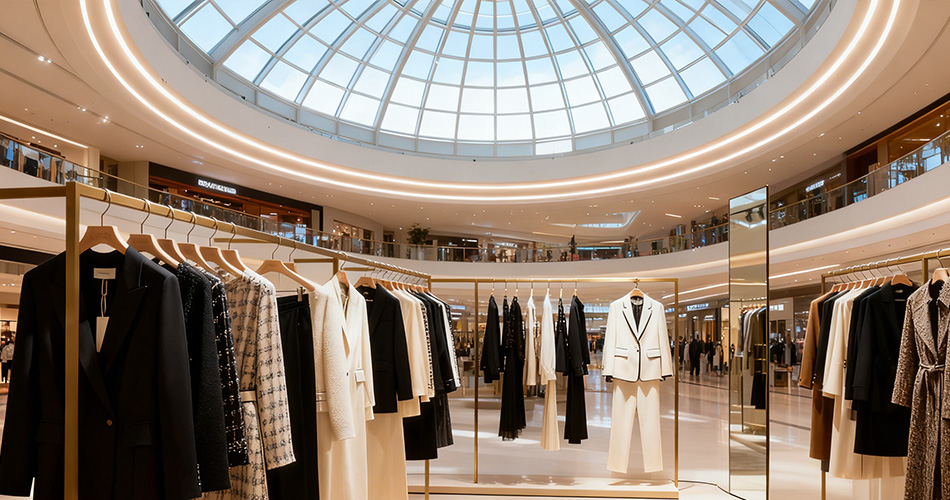
Future Proof Scalable Lighting Control Architecture is engineered to deliver flexibility, integration, and longevity—addressing the unique challenges of commercial environments through four core pillars:
At its core, this architecture is designed to grow with your business—whether you’re adding 50 guest rooms, expanding a warehouse, or launching a new retail branch. Unlike rigid systems that require full overhauls for expansion, future proof scalable lighting control architecture uses modular design and open protocols to seamlessly add new devices (sensors, controllers, gateways) or locations to the existing network. For example, a corporate campus can extend lighting control to a new building without reconfiguring the entire system, while a restaurant chain can standardize lighting across franchises with consistent control dashboards. This scalability ensures that lighting keeps pace with your business’s footprint and operational needs, eliminating bottlenecks and unnecessary costs.
Future readiness means embracing new tools—and future proof scalable lighting control architecture is built for interoperability. It uses open communication standards (such as DALI-2, Zigbee, or BACnet) to integrate with evolving technologies, from AI-powered energy management platforms to smart building ecosystems. Businesses can add new features as they mature: integrate occupancy analytics to optimize space use, sync with smart thermostats for holistic energy savings, or enable voice control for guest convenience—all without replacing the core control architecture. This interoperability ensures that your lighting system doesn’t become obsolete as new innovations emerge, keeping your commercial space at the cutting edge of efficiency and user experience.
A key advantage of future proof scalable lighting control architecture is its ability to balance centralized oversight with localized customization. Facility managers gain a unified dashboard to monitor and adjust lighting across all locations, ensuring consistent performance and brand standards. At the same time, individual spaces (e.g., meeting rooms, retail aisles, guest rooms) can have tailored lighting rules—from occupancy-based dimming to scene presets—controlled via intuitive remotes or mobile apps. This balance empowers businesses to maintain operational efficiency while accommodating the unique needs of different spaces or users. For multi-site enterprises, this centralized control reduces administrative overhead, while granular customization enhances user satisfaction and productivity.
Commercial spaces require lighting systems that perform reliably—even as they scale or integrate new technologies. Future proof scalable lighting control architecture prioritizes resilience with redundant design, robust cybersecurity measures, and remote troubleshooting capabilities. Redundant gateways and cloud connectivity ensure that a single device failure doesn’t disrupt the entire system, while encryption and access controls protect against cyber threats. Remote monitoring allows teams to identify and resolve issues before they impact operations, minimizing downtime. This resilience is critical for 24/7 environments like hospitals, warehouses, or hotels, where lighting disruptions can compromise safety, productivity, or guest experience.
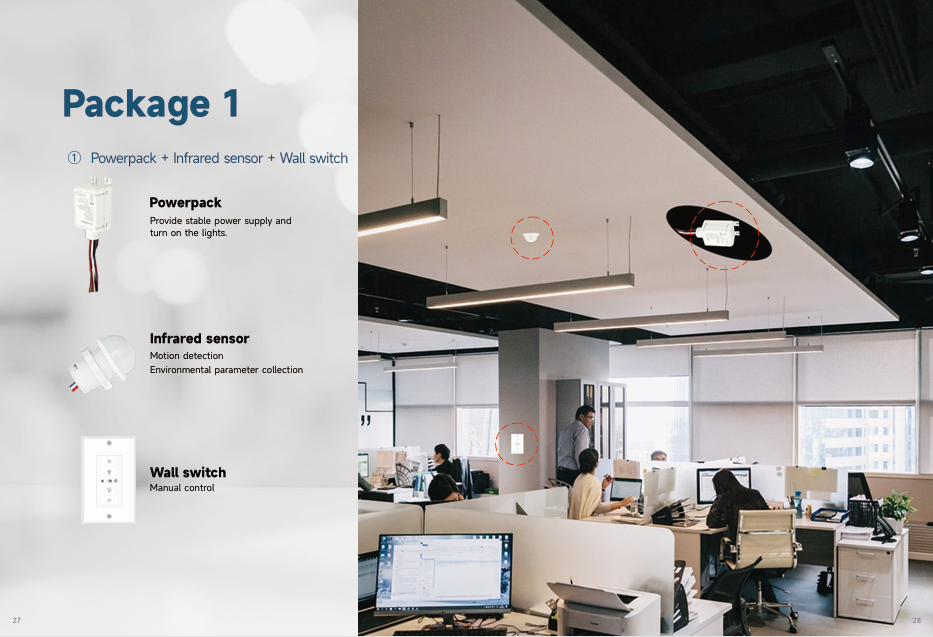
Beyond adaptability and resilience, this architecture delivers tangible advantages for commercial spaces:
Cost Savings: Extends system lifespans, reduces upgrade costs, and optimizes energy use through data-driven controls.
Operational Agility: Enables quick adjustments to workflows, expansion, or market trends without system overhauls.
User-Centric Experience: Balances centralized efficiency with personalized lighting control for employees, customers, or guests.
Sustainability: Supports green initiatives by integrating energy-saving technologies and reducing electronic waste from premature replacements.
Competitive Edge: Keeps commercial spaces at the forefront of technological innovation, enhancing brand reputation and user loyalty.
These benefits make future proof scalable lighting control architecture ideal for businesses of all sizes—from startups planning for growth to global enterprises seeking consistent, adaptive lighting across locations.
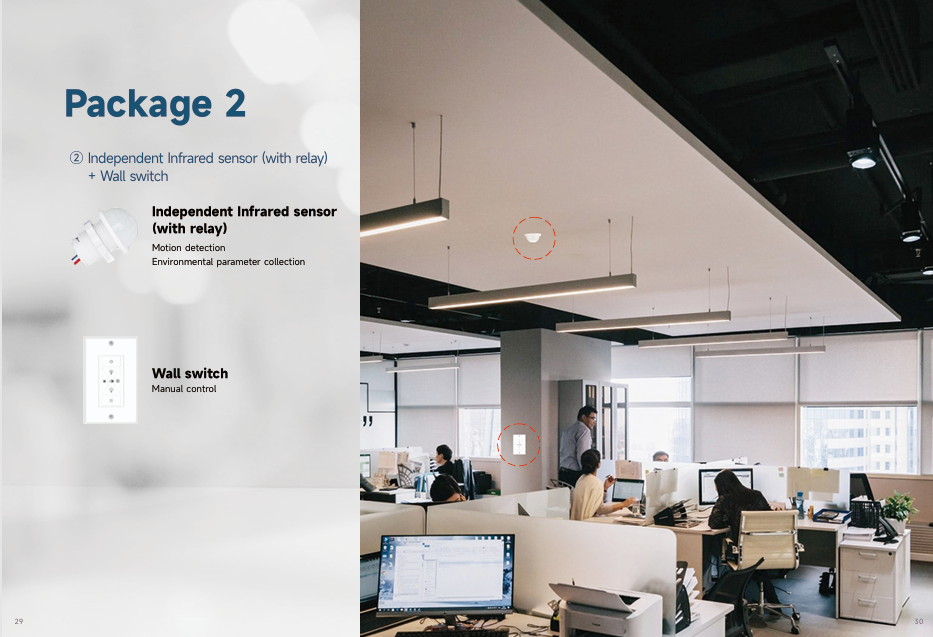
Future proof scalable lighting control architecture is redefining how commercial spaces approach smart lighting—shifting from short-term solutions to long-term strategic assets. By integrating this architecture with your existing smart lighting components (sensors, controllers, remotes, gateways, switches), you can build a system that evolves with your business, adapts to new technologies, and delivers lasting value.
Whether you’re expanding operations, adopting new workflows, or preparing for future innovations, future proof scalable lighting control architecture provides the flexibility, resilience, and efficiency modern businesses demand. Say goodbye to outdated, rigid lighting systems and invest in a solution that grows with your success.


)
)
)
)

+86 15899791249

+86 755 2955 3313


Address: Huafeng No.1 Science and Technology Park, Sanwei, Bao'an District, Shenzhen, Guangdong, China.
