

Time:2025-12-04
High bay warehouses, with their expansive, tall-span spaces and round-the-clock operational demands, face unique challenges in lighting management—chief among them balancing adequate illumination for safety and productivity with the need to control energy costs. In this context, high bay warehouse automated lighting energy optimization has emerged as a transformative solution, leveraging smart automation to align lighting usage with actual operational needs. By moving beyond static, one-size-fits-all lighting setups, this approach not only slashes energy waste but also enhances operational agility, making it an indispensable strategy for modern warehouse operators striving for sustainability and cost efficiency.
High bay warehouses rely on powerful lighting systems to illuminate large areas, often covering thousands of square feet with ceiling heights exceeding 20 feet. Traditional lighting setups in these spaces typically operate at full intensity continuously, regardless of occupancy, natural light conditions, or task requirements—leading to exorbitant energy bills and unnecessary carbon emissions. Studies show that lighting accounts for 25-35% of total energy consumption in industrial warehouses, making it a prime target for optimization.
Beyond cost concerns, static lighting systems fail to adapt to the dynamic nature of warehouse operations. Peak activity periods (e.g., morning receiving, evening shipping) require consistent, bright illumination, while off-peak hours (e.g., overnight inventory checks) or vacant zones may only need minimal safety lighting. High bay warehouse automated lighting energy optimization addresses this imbalance by automating lighting adjustments, ensuring that energy is only used when and where it is needed. This not only reduces energy costs by 30-50% but also extends the lifespan of lighting fixtures by minimizing unnecessary wear, further lowering maintenance expenses.
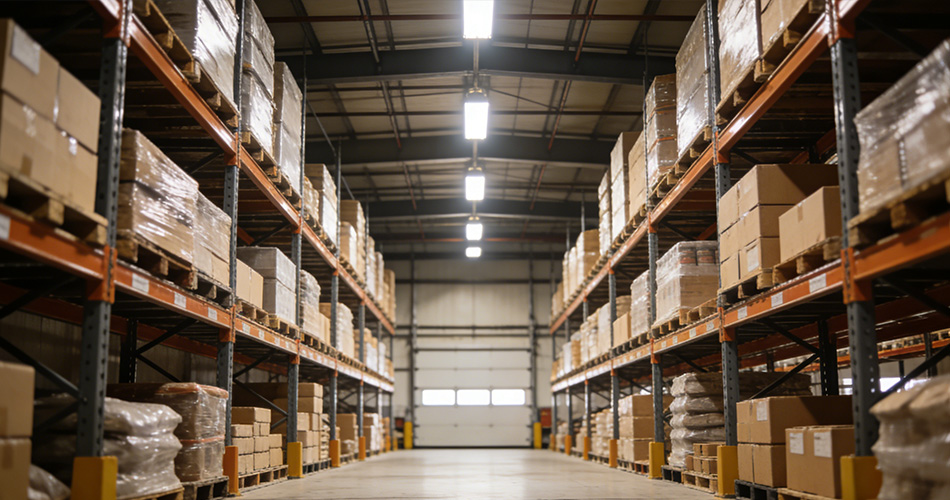
At its core, high bay warehouse automated lighting energy optimization relies on three interconnected components: smart sensing, adaptive control systems, and data-driven tuning—all working in tandem to eliminate energy waste without compromising safety or productivity.
Occupancy and motion sensing form the foundation of the solution. Advanced sensors, strategically placed throughout the high bay warehouse, detect the presence of personnel, forklifts, or other equipment in specific zones. When a zone is unoccupied, the automated system dims the lighting to a low-energy standby level or turns it off entirely; upon detecting motion, it instantly ramps up illumination to the required intensity. This ensures that no energy is wasted on lighting vacant areas, a common inefficiency in traditional high bay setups.
Natural light harvesting is another key mechanism. High bay warehouses often feature large skylights or clerestory windows that allow significant natural light penetration. Automated lighting systems integrate light sensors to measure ambient light levels, adjusting artificial lighting accordingly. On bright days, the system dims or turns off artificial fixtures in areas where natural light is sufficient, leveraging free, renewable illumination to further reduce energy use. This integration of natural and artificial light not only cuts costs but also creates a more comfortable working environment for staff.
Task-specific lighting automation adds another layer of optimization. Different zones in a high bay warehouse have distinct lighting needs: picking and packing zones require precise, bright illumination to ensure accuracy, while storage zones may only need moderate lighting for safety. Automated systems can be programmed to maintain zone-specific lighting profiles, adjusting intensity based on the task at hand. For example, when a forklift enters a storage aisle, the system activates full lighting for the duration of the task; once the aisle is vacant, it reverts to a lower intensity.
The adoption of high bay warehouse automated lighting energy optimization delivers tangible benefits across operational, financial, and sustainability metrics. For large-scale distribution centers handling high-volume shipments, the energy savings translate to six-figure annual cost reductions. A case study of a 500,000-square-foot high bay warehouse found that implementing automated lighting optimization cut lighting energy costs by 42%, saving over $85,000 annually and reducing carbon emissions by 650 tons per year.
Operational benefits extend beyond cost savings. Automated lighting systems reduce the need for manual interventions, freeing up warehouse managers and staff to focus on core tasks rather than adjusting lighting. The consistent, task-aligned illumination also improves safety by eliminating dark spots in high-traffic areas and reducing eye strain for workers engaged in detailed tasks like picking and packing. Additionally, the extended lifespan of lighting fixtures reduces maintenance downtime and the frequency of fixture replacements, further enhancing operational efficiency.
From a sustainability perspective, high bay warehouse automated lighting energy optimization aligns with global efforts to reduce industrial carbon footprints. By cutting energy use, warehouses can make significant progress toward corporate sustainability goals and comply with increasingly strict energy efficiency regulations. Many operators also qualify for energy efficiency incentives or tax credits by adopting these automated solutions, further improving the return on investment.
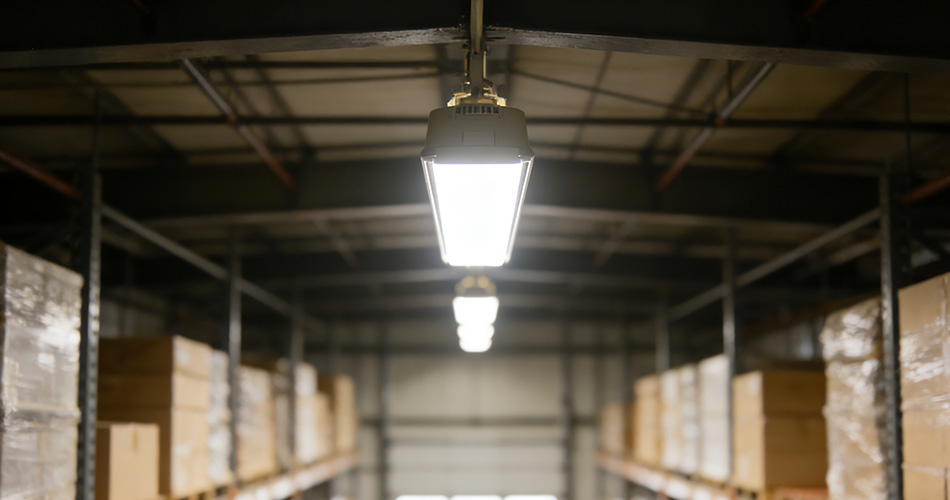
As warehouse automation and smart technology continue to evolve, high bay warehouse automated lighting energy optimization is poised to become even more intelligent and integrated. One key trend is the integration of lighting systems with warehouse management systems (WMS) and Internet of Things (IoT) platforms. This integration allows lighting to be synchronized with other warehouse operations—for example, activating specific lighting zones in advance of a forklift’s planned route or adjusting illumination based on real-time inventory picking schedules.
Artificial intelligence (AI) and machine learning are also set to enhance optimization capabilities. AI-powered systems can analyze historical data on occupancy patterns, task schedules, and natural light availability to predict lighting needs, proactively adjusting settings before a zone is occupied. This predictive approach eliminates lag time and further optimizes energy use, ensuring that lighting is always aligned with operational demands.
The adoption of energy-efficient lighting technologies like LED, combined with automation, will amplify results. LED fixtures already offer superior energy efficiency compared to traditional high-intensity discharge (HID) lights, and when paired with automated control systems, their energy-saving potential is maximized. Future advancements in LED technology, such as improved dimming capabilities and lower power consumption, will further enhance the efficiency of automated lighting systems.
In conclusion, high bay warehouse automated lighting energy optimization is no longer a niche upgrade but a essential strategy for modern warehouse operators. By leveraging smart sensing, adaptive control, and data-driven tuning, this solution addresses the unique lighting challenges of high bay spaces, delivering significant energy savings, operational improvements, and sustainability benefits. As technology continues to advance, the integration of AI, IoT, and advanced lighting technologies will make these systems even more effective, solidifying their role as a cornerstone of efficient, sustainable warehouse operations.


)
)
)
)

+86 15899791249

+86 755 2955 3313


Address: Huafeng No.1 Science and Technology Park, Sanwei, Bao'an District, Shenzhen, Guangdong, China.
