

Time:2025-12-18
Festive seasons and holidays demand unique lighting arrangements to create joyful atmospheres, guide crowds, and align with celebratory activities—needs that traditional fixed or even automated lighting schedules often fail to meet. Pre-set lighting timetables or standard astronomical clock-driven systems lack the agility to adapt to temporary holiday events, extended business hours, or last-minute changes in celebration plans. Holiday lighting schedule override functions emerge as a critical solution, enabling users to temporarily suspend or modify pre-programmed lighting schedules and activate custom festive lighting modes with ease. This innovation ensures that lighting perfectly matches the dynamic needs of holiday scenarios, enhances the festive ambiance, and simplifies lighting management for businesses, municipalities, and communities. For retail managers, city event coordinators, and hospitality operators, holiday lighting schedule override functions are indispensable for delivering memorable holiday experiences while maintaining operational efficiency. This article explores the core value, scenario-specific applications, implementation guidelines, and future trends of these functions, highlighting their role in redefining flexible lighting management during festive periods.
Traditional lighting management systems—whether fixed-time switches or basic automated schedules—struggle to accommodate the unique demands of holiday seasons. For example, a retail store’s standard 9 PM closing lighting-off schedule is impractical during Christmas Eve sales that extend until midnight; a city’s regular street lighting dimming schedule conflicts with New Year’s Eve fireworks events that require bright illumination for safety and visibility; a hotel’s pre-set lobby lighting mode fails to match the warm, festive ambiance needed for Thanksgiving gatherings.
Beyond mismatched timing and ambiance, rigid lighting schedules create operational headaches during holidays. Manual adjustments to override pre-set schedules are time-consuming and error-prone, especially for large-scale lighting networks like municipal street lighting or shopping mall illumination. Delays in adjusting lighting can ruin the festive atmosphere, compromise safety during crowded holiday events, or even result in lost business for retailers. Holiday lighting schedule override functions address these gaps by providing a streamlined, intuitive way to modify lighting schedules temporarily, ensuring that illumination aligns with the dynamic needs of holiday celebrations.
Holiday lighting schedule override functions deliver four key benefits that make them essential for festive season lighting management:
First, flexible temporary schedule modification. The core advantage of these functions is the ability to easily suspend, adjust, or replace pre-programmed lighting schedules for specific holiday periods. Users can set temporary override periods (e.g., “December 20 to January 5”) or one-time events (e.g., “New Year’s Eve only”), with the system automatically reverting to the standard schedule once the holiday period ends. This eliminates the need for manual resets and ensures consistent lighting management before, during, and after holidays.
Second, custom festive ambiance creation. Advanced override functions allow users to activate pre-saved holiday lighting modes alongside schedule adjustments. For example, a restaurant can use an override to switch to “Christmas ambiance mode” (warm color temperature, twinkling effect for accent lights) and extend lighting hours until 11 PM; a city square can activate “New Year’s mode” (dynamic color changes, synchronized with event music) and keep lights on until 2 AM. This customization enhances the festive atmosphere and creates memorable experiences for attendees.
Third, simplified large-scale management. For organizations managing extensive lighting networks—such as shopping malls, theme parks, or municipal governments—holiday lighting schedule override functions enable centralized, one-click adjustments across multiple lighting zones. Instead of modifying each zone’s schedule individually, managers can apply a single override command to all relevant areas, reducing operational time and minimizing errors. Remote access capabilities further simplify management, allowing adjustments from any location.
Fourth, enhanced safety and compliance. During holidays, crowded events and extended operating hours demand reliable lighting for safety. Override functions ensure that lighting remains active during critical periods—such as late-night holiday sales or public fireworks displays—preventing dark areas that could pose safety risks. Additionally, they help comply with local regulations regarding holiday lighting hours and brightness, avoiding potential fines or penalties.
These functions excel in holiday-focused environments, delivering targeted value across retail, municipal, hospitality, and community sectors:
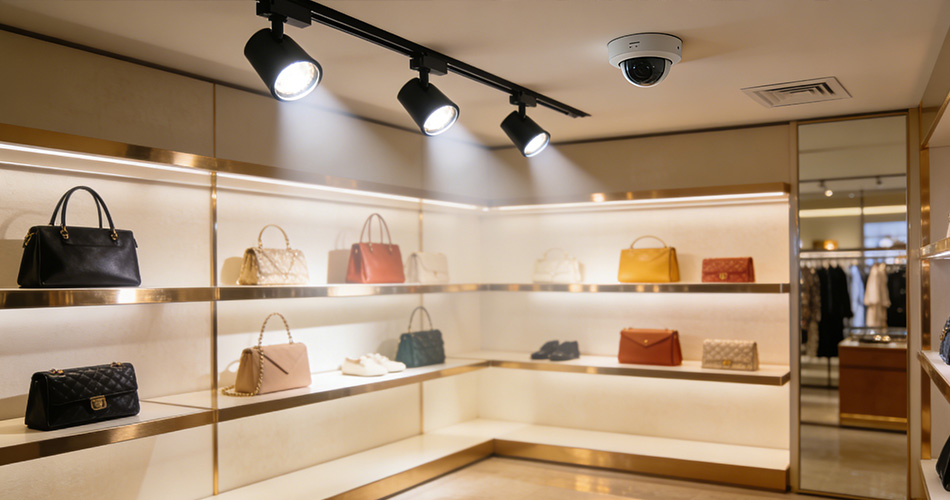
Retail stores and shopping malls: Holiday sales and events are peak periods for retailers, and lighting plays a key role in attracting customers. Override functions allow stores to extend lighting hours during Black Friday, Christmas Eve, and New Year’s sales, and activate festive lighting modes (e.g., colored lights for display windows, warm lighting for gift sections). Malls can use overrides to sync common area lighting with holiday events—such as tree lighting ceremonies or Santa meet-and-greets—ensuring bright, festive illumination during peak foot traffic.
Municipal public spaces (city squares, parks, pedestrian malls): Cities host numerous holiday events, from parades and fireworks to holiday markets. Holiday lighting schedule override functions enable municipalities to adjust street lighting, decorative lighting, and event area lighting to match event timelines. For example, they can keep park lighting on late during a holiday market, brighten street lighting for a parade route, or activate dynamic decorative lighting for the entire holiday season—with automatic reversion to standard schedules afterward.
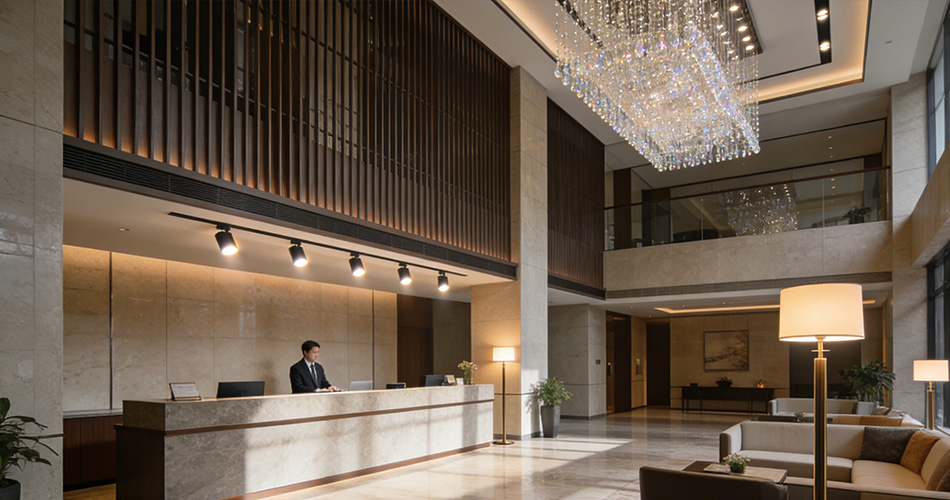
Hotels and resorts: Hospitality venues rely on holiday lighting to create a welcoming atmosphere for guests. Override functions allow hotels to extend lobby, restaurant, and outdoor lighting hours during holiday stays, activate “holiday suite mode” for guest rooms, and sync lighting with holiday events (e.g., New Year’s dinners, Christmas brunches). Resorts with outdoor attractions—such as ski resorts or beach resorts—can use overrides to adjust lighting for holiday-themed activities like night skiing or beach bonfires.
Residential communities and homeowners’ associations (HOAs): Communities often decorate with holiday lighting to foster a festive spirit. Override functions enable HOAs to set community-wide holiday lighting schedules (e.g., turn on decorative lights from 5 PM to 11 PM during December) and make last-minute adjustments for community events like holiday parades or neighborhood parties. Homeowners can use individual overrides to customize their own holiday lighting while aligning with community guidelines.
To maximize the value of holiday lighting schedule override functions, follow these strategic implementation guidelines:
First, design user-friendly override interfaces. Choose lighting management systems with intuitive override controls—such as one-click holiday mode activation, drag-and-drop schedule adjustment, or pre-saved holiday templates. For non-technical users (e.g., retail staff, HOA volunteers), simplicity is critical to ensure quick, error-free adjustments during busy holiday periods.
Second, establish clear override permissions and protocols. Define user roles and permission levels to prevent unauthorized adjustments—for example, allowing store managers to override their store’s lighting but restricting mall-wide overrides to senior facility staff. Create protocols for override duration (e.g., “one-time event overrides expire after 24 hours”) and documentation (e.g., logging all overrides for audit purposes), ensuring accountability and consistency.
Third, integrate with energy management tools. Holiday lighting can increase energy consumption, so pair override functions with energy monitoring tools to track usage during override periods. Set energy usage alerts to avoid excessive costs, and use data from past holidays to optimize override schedules (e.g., adjusting lighting brightness or duration to balance ambiance and energy efficiency).
Fourth, test and pre-program holiday templates. Before the holiday season, test all override functions and pre-program common holiday templates (e.g., Christmas, New Year’s, Thanksgiving) to streamline activation. For large-scale systems, conduct a trial run of holiday overrides to identify and resolve any issues—such as compatibility problems or lighting zone misalignment—before the festive season begins.
As smart lighting and IoT technology advance, holiday lighting schedule override functions are becoming more intelligent and integrated:
One trend is AI-driven holiday schedule recommendations. Future systems will use artificial intelligence to analyze past holiday lighting data, local event calendars, and even weather forecasts to recommend optimal override schedules. For example, the system might suggest extending lighting hours for a retail store during a predicted busy holiday weekend or adjusting outdoor lighting times based on sunset changes during the holiday season.
Another trend is integration with event management platforms. Override functions will sync automatically with event planning software, adjusting lighting schedules when event timelines change. For example, if a city’s New Year’s Eve fireworks are rescheduled due to weather, the lighting system will automatically update the override schedule to match the new time, eliminating manual adjustments.
Finally, enhanced connectivity with smart decorative lighting. Systems will integrate seamlessly with smart holiday decorations (e.g., LED string lights, projection lights) that support override commands. This allows users to adjust both standard lighting and decorative lighting via a single override command, creating a cohesive festive ambiance without managing multiple systems.
In conclusion, holiday lighting schedule override functions are a vital component of flexible, user-centric lighting management during festive seasons. By addressing the limitations of rigid traditional schedules, enabling custom festive ambiance, and simplifying large-scale management, these functions enhance the holiday experience for customers, guests, and communities while maintaining operational efficiency. Through strategic implementation focused on user-friendliness, permission management, and energy optimization, organizations and communities can unlock the full potential of this technology. As AI and IoT advance, holiday lighting schedule override functions will become even more intelligent and integrated, solidifying their role as a cornerstone of successful holiday lighting management. For anyone responsible for lighting during festive periods, prioritizing systems with robust holiday lighting schedule override functions is a strategic choice that delivers long-term value, memorable experiences, and operational peace of mind.


)
)
)
)

+86 15899791249

+86 755 2955 3313


Address: Huafeng No.1 Science and Technology Park, Sanwei, Bao'an District, Shenzhen, Guangdong, China.
