

Time:2026-01-12
In modern smart buildings and industrial applications, ceiling mounted sensors have become a core technology for enhancing the performance and efficiency of lighting systems. With rising energy costs and sustainability goals, more factories, commercial spaces, and public facilities are adopting smart sensor solutions to automate lighting control, achieve greater comfort, and significantly reduce energy consumption. This article will explore how ceiling mounted sensors optimize smart lighting systems and cover installation methods, detection patterns, and key technical details to help professional clients understand their immense value.
Ceiling mounted sensors are smart devices installed on the ceiling that can detect motion in a space and automatically control the lighting system’s on/off state. These sensors use passive infrared (PIR) or other detection technologies to accurately sense the occupancy or vacancy of a room, ensuring that lighting is only on when needed, thus maximizing energy savings and enhancing user experience.
Unlike traditional manual switches, ceiling mounted sensors are particularly effective in large and complex environments such as warehouses, factories, and offices. They can significantly reduce energy waste and integrate with smart building control platforms to implement more advanced automation strategies.
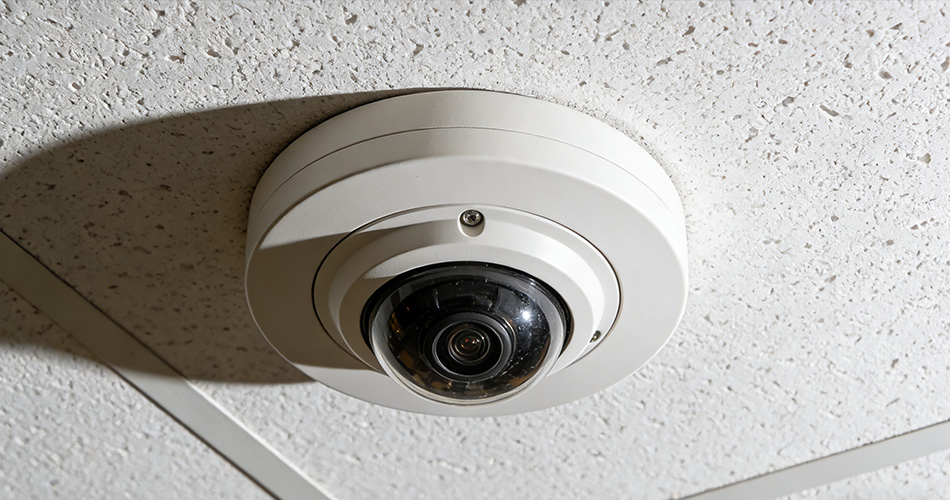
The primary advantage of installing ceiling mounted sensors is significant energy consumption reduction. When no one is in the room, the sensor automatically turns off the lights, avoiding unnecessary energy use. Industry studies show that smart sensors can reduce electricity use by up to 30% or more in office and industrial settings.
This not only reduces electricity costs but also lowers maintenance expenses, as lights are used less and their lifespan is extended.
Smart sensor-controlled lighting makes spaces more user-friendly. Lights automatically turn on when entering a room and off when leaving, providing convenience. This automation enhances productivity and user satisfaction. Additionally, in low light or nighttime environments, the sensors can activate lighting to improve safety for occupants.
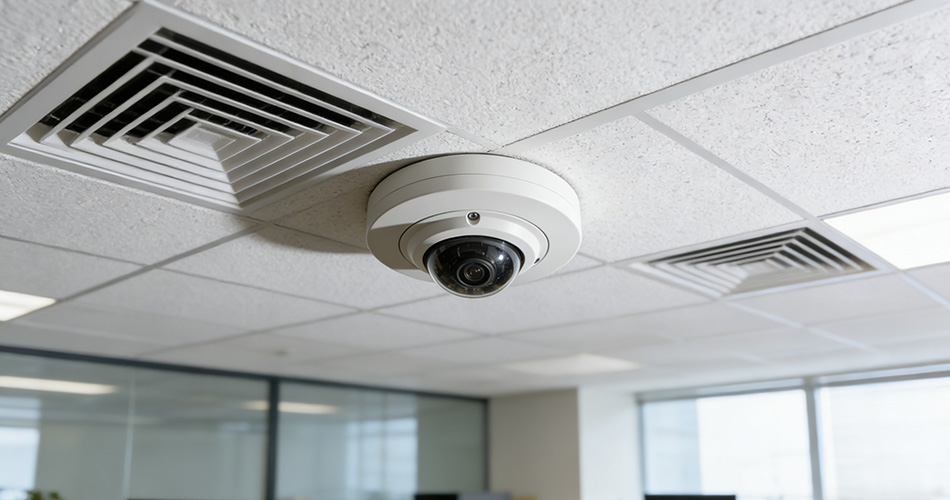
To ensure optimal performance, ceiling occupancy sensor installation should follow best practices:
Proper sensor placement is critical. The sensor should be installed in the center of the ceiling to cover the entire target area without obstructions. It is generally recommended to install the sensor at a height of 8-12 feet for the best coverage range.
Avoid placing the sensor near heat sources, air conditioning vents, or direct light, as this may lead to false triggers.
Prepare the wiring before installation and ensure the power is turned off for safety.
Use the proper brackets or mounting devices to securely attach the sensor to the ceiling.
For certain commercial models, you need to first install the mounting bracket on the ceiling and then attach the sensor body, ensuring a stable installation.
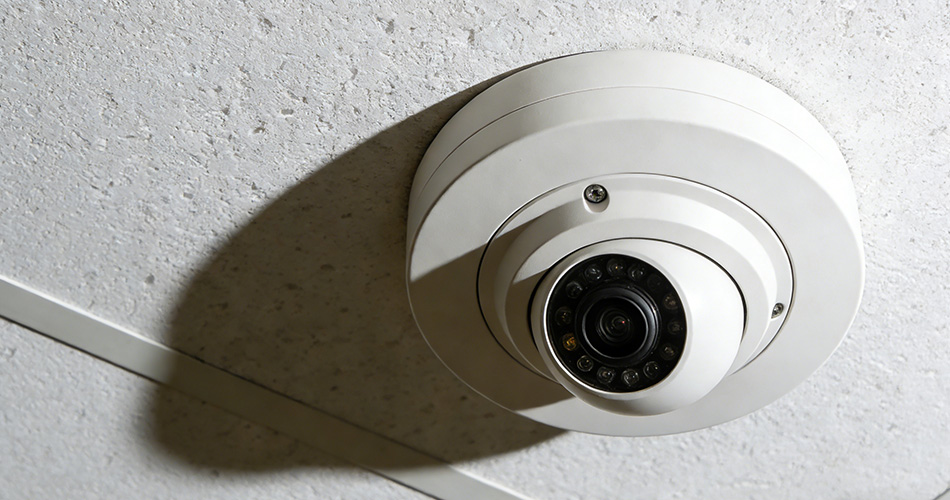
Recessed ceiling sensor mounting involves installing the sensor inside the ceiling, making it more discreet and aesthetically pleasing. Compared to surface-mounted sensors, this installation style is more visually appealing and suitable for spaces with high aesthetic requirements. It is commonly used in modern office buildings and high-end commercial spaces. Due to its recessed design, the sensor is also better protected, reducing the risk of damage.
Different sensors have different detection patterns, typically circular or fan-shaped. The detection pattern determines the size of the area the sensor can effectively cover. Sensors with different technologies—such as PIR (passive infrared) sensors, which detect body heat changes, or ultrasonic sensors, which detect sound wave reflections—offer various coverage areas and can be selected based on the specific needs of the space.
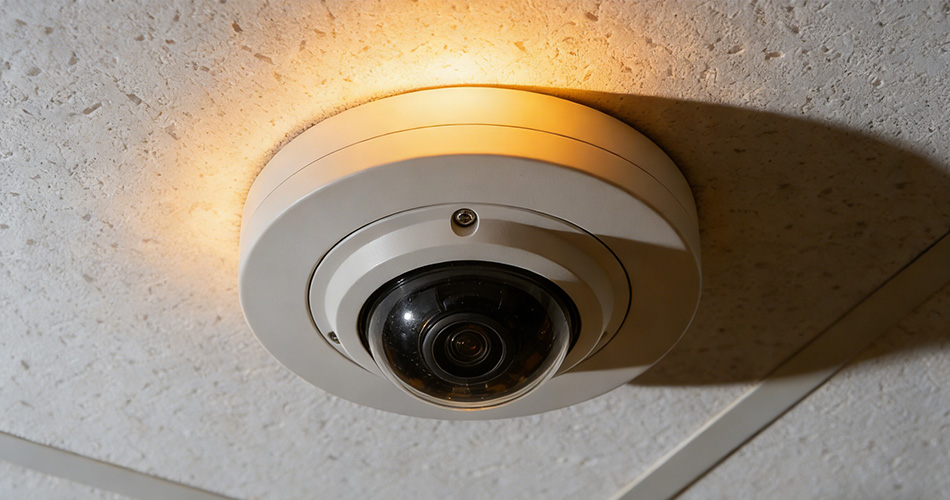
Plenum rated ceiling sensors are designed for environments with strict air circulation requirements, such as data centers, hospitals, and other high-standards areas. These sensors meet industry standards for flame resistance and airflow management, ensuring they won’t pose a risk to HVAC systems. Plenum rated ceiling sensors ensure safety in such environments while also integrating efficiently with HVAC systems for intelligent control, boosting overall energy efficiency. These sensors are increasingly used in high-demand settings.
Modern ceiling mounted sensors are not only used for switching lights on and off. They can integrate with Building Automation Systems (BAS), energy management platforms, and even IoT networks to enable:
Automated dimming of lights
Real-time energy consumption monitoring
Customizable scene setting
Remote control & data analytics
This integration enhances lighting control efficiency and provides facility managers with valuable operational data.
As the trend of smart buildings continues to grow, ceiling mounted sensors have become an indispensable part of modern lighting systems. Whether for energy management, safety, or user experience enhancement, these sensors offer significant advantages.
For factories, commercial spaces, and large facilities, choosing the right sensor technology, properly placing the installation, and integrating modern control systems is key to improving the intelligence of the lighting system.
If you're looking for efficient solutions to upgrade your existing lighting system, feel free to contact our professional team for more detailed information and customized advice on ceiling mounted sensor solutions.
Answer:
A Ceiling mounted sensor is a smart device typically installed on the ceiling that detects motion or occupancy in a room. It automatically controls the lighting system by turning lights on when the space is occupied and off when it’s vacant. This helps save energy and enhances the user experience by ensuring lights are only on when needed. These sensors are particularly effective in large environments such as factories, warehouses, and offices, where they significantly reduce energy consumption and integrate with smart building control systems to implement advanced automation strategies.
Answer:
Ceiling occupancy sensor installation typically requires placing the sensor in the center of the ceiling to ensure it covers the entire target area. The installation height is generally between 8-12 feet for optimal coverage. It’s crucial to avoid placing the sensor in areas where furniture or other obstacles could obstruct its line of sight. The installation process includes fixing the mounting bracket, connecting the power, and ensuring the sensor’s detection area is unobstructed. Proper placement ensures the sensor detects movement accurately and efficiently.
Answer:
Recessed ceiling sensor mounting involves installing the sensor inside the ceiling, making it more discreet and aesthetically pleasing. Unlike surface-mounted sensors, this installation method is more visually appealing and works well in spaces where appearance is important, such as modern offices or high-end commercial spaces. Recessed mounting also offers better protection for the sensor, reducing the risk of damage. This method is ideal for environments that prioritize both functionality and design.
Answer:
The ceiling sensor detection pattern refers to the shape and size of the area the sensor can effectively monitor. Typically, these patterns are circular or fan-shaped. The detection pattern determines the coverage area, and different sensors offer various technologies. For instance, PIR (passive infrared) sensors detect heat changes, while ultrasonic sensors detect sound wave reflections. Selecting the appropriate detection pattern ensures the sensor can cover the desired area effectively, providing accurate lighting control based on movement and occupancy.
Answer:
Plenum rated ceiling sensors are designed for environments that require strict air circulation standards, such as data centers, hospitals, and other high-traffic areas. These sensors meet fire resistance and airflow management standards, ensuring they do not interfere with HVAC systems. Plenum rated ceiling sensors are essential for maintaining safety and efficiency in spaces where air quality and circulation are critical. They are increasingly used in high-demand settings, providing both safety and smart control solutions for energy management.


)
)
)
)

+86 15899791249

+86 755 2955 3313


Address: Huafeng No.1 Science and Technology Park, Sanwei, Bao'an District, Shenzhen, Guangdong, China.
