

Time:2025-12-11
Outdoor lighting systems face relentless exposure to harsh environmental conditions—heavy rain, flooding, high humidity, dust, and even prolonged submersion in water. For these challenging settings, standard outdoor lighting sensors often fail prematurely, compromising lighting control, energy efficiency, and safety. IP68 submersible outdoor lighting sensors emerge as a specialized solution, engineered to withstand complete submersion and extreme weather, ensuring consistent performance in the most demanding outdoor environments. From waterfront properties and flood-prone areas to industrial washdown zones, these sensors enable reliable automated lighting control where traditional sensors cannot. For facility managers, landscape designers, and industrial operators, investing in IP68 submersible outdoor lighting sensors is critical to building durable, low-maintenance outdoor lighting systems that stand up to nature’s challenges.
Most standard outdoor lighting sensors offer basic weather resistance but lack the protection needed for prolonged water exposure or submersion. Even sensors rated for "waterproof" use often fail when faced with flooding, heavy downpours, or standing water—common scenarios in waterfront areas, low-lying properties, or regions prone to storms. Water ingress can damage internal components, leading to sensor malfunctions, false triggers, or complete failure. This not only disrupts lighting control (e.g., lights failing to turn on in dark, wet conditions) but also increases maintenance costs due to frequent replacements.
In industrial or commercial outdoor settings, such as food processing plants, car washes, or marine terminals, sensors may also face exposure to high-pressure water jets, chemicals, or dust—additional stressors that standard sensors cannot withstand. Without robust protection, sensors become a weak link in the outdoor lighting system, undermining the reliability of automated controls and the safety of the environment. IP68 submersible outdoor lighting sensors address these gaps by providing the highest level of ingress protection, ensuring performance even in continuous submersion and harsh operational conditions.
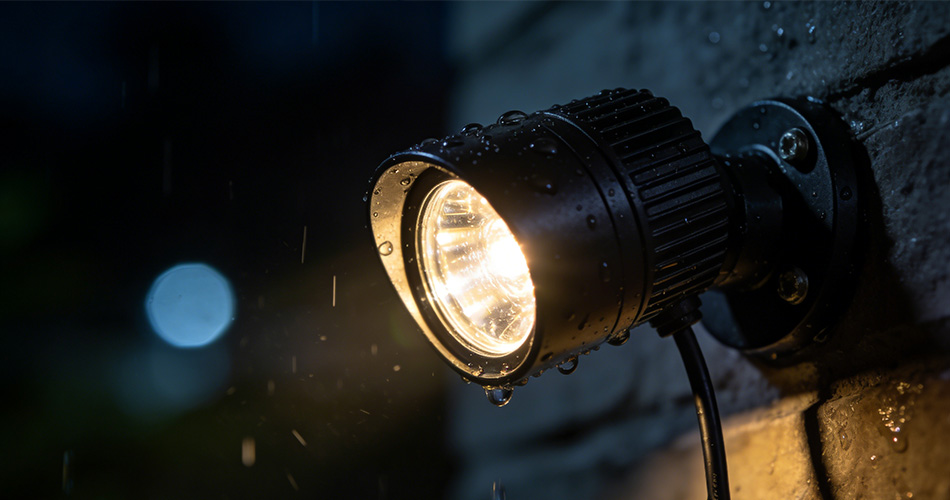
IP68 submersible outdoor lighting sensors deliver three key advantages that make them indispensable for harsh outdoor environments:
First, superior ingress protection. The IP68 rating signifies complete protection against dust and long-term submersion in water at specified depths. Unlike standard sensors, IP68 submersible outdoor lighting sensors feature hermetically sealed enclosures that prevent water, dust, and debris from entering internal components. This seal ensures consistent performance even when submerged for extended periods—such as in flooded parking lots, underwater lighting installations, or tidal zones. The dust-tight design also makes them ideal for industrial environments with high levels of particulate matter.
Second, all-weather reliability. These sensors are engineered to withstand extreme temperature fluctuations, UV radiation, and corrosive elements (e.g., saltwater, chemicals). In coastal areas, saltwater corrosion is a major threat to outdoor equipment, but IP68 submersible outdoor lighting sensors use corrosion-resistant materials and coatings to maintain functionality. They also perform consistently in freezing temperatures and scorching heat, making them suitable for use in diverse climates—from arctic regions to tropical storm zones.
Third, reduced maintenance and downtime. The robust design of IP68 submersible outdoor lighting sensors minimizes the need for frequent repairs or replacements. Unlike standard sensors that require regular inspection and maintenance after storms or flooding, these sensors can withstand harsh conditions without degradation. This reduces maintenance labor costs and eliminates downtime caused by sensor failures, ensuring that outdoor lighting systems remain operational even after extreme weather events.
IP68 submersible outdoor lighting sensors are tailored to environments where water exposure is inevitable, delivering targeted value across diverse sectors:
Waterfront and marine environments: Marinas, docks, and coastal walkways rely on IP68 submersible outdoor lighting sensors to control lighting in tidal zones and areas prone to storm surges. Sensors can be installed near or even under water, triggering lighting as boats approach docks or pedestrians enter walkways. The saltwater-resistant design ensures longevity in corrosive coastal conditions, reducing replacement costs for marina operators.
Flood-prone and low-lying areas: Parking lots, parks, and residential neighborhoods in flood-prone regions use these sensors to maintain reliable lighting control during and after flooding. Unlike standard sensors that fail when submerged, IP68 submersible outdoor lighting sensors continue to operate, ensuring that lighting turns on automatically in dark, flooded conditions—critical for safety and emergency response.
Industrial washdown zones: Food processing plants, car washes, and manufacturing facilities with high-pressure washdown requirements use IP68 submersible outdoor lighting sensors to withstand frequent exposure to water jets and chemicals. Sensors control lighting in outdoor wash areas, ensuring illumination only when needed while resisting damage from cleaning operations.
Water features and recreational facilities: Public pools, water parks, and fountains integrate IP68 submersible outdoor lighting sensors to control underwater and surrounding lighting. Sensors detect occupancy (e.g., swimmers in a pool) or ambient light levels, adjusting lighting to enhance safety and ambiance. The submersible design allows for installation directly in water features, creating seamless, automated lighting effects.
Municipal and infrastructure projects: Roadways, tunnels, and drainage systems in storm-prone regions use these sensors to ensure reliable lighting control during heavy rain and flooding. Sensors trigger streetlights or tunnel lighting as visibility decreases, enhancing driver safety, while their submersible design ensures they survive flood events without failure.
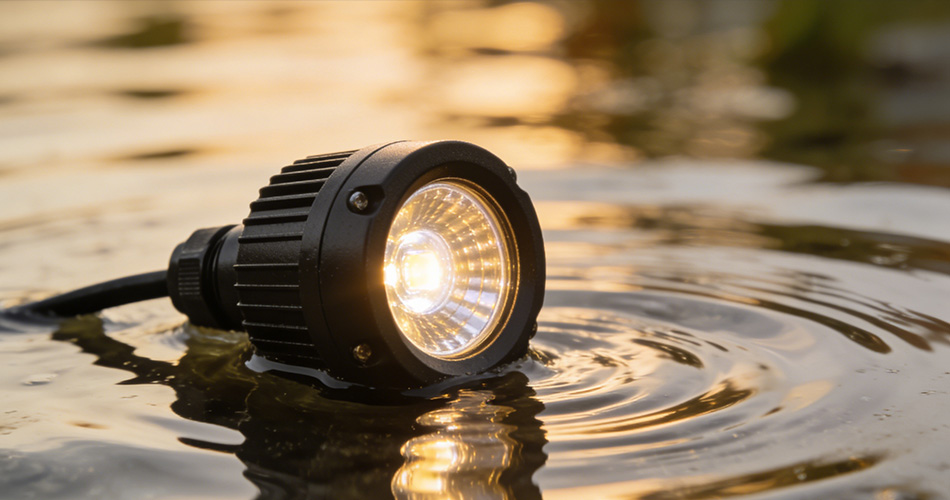
To maximize the value of IP68 submersible outdoor lighting sensors, organizations should consider three critical factors during implementation:
First, align sensor type with environmental needs. Choose sensor types (e.g., occupancy, motion, ambient light) based on the specific application. For example, motion sensors are ideal for marinas and parking lots to detect activity, while ambient light sensors work well in water parks to adjust lighting based on natural light levels. Ensure the sensor’s detection range and sensitivity are tailored to the environment—e.g., longer detection ranges for large open areas like docks.
Second, ensure compatibility with outdoor lighting systems. Verify that IP68 submersible outdoor lighting sensors integrate seamlessly with existing outdoor lighting fixtures and controls (e.g., dimmers, timers, building management systems). Wireless sensors are ideal for remote outdoor locations (e.g., coastal walkways) where wiring is difficult, while hardwired sensors may be preferred for industrial settings requiring consistent connectivity.
Third, prioritize proper installation. Follow manufacturer guidelines for installation depth and mounting to ensure the sensor’s IP68 rating is maintained. Use corrosion-resistant mounting hardware in coastal or industrial environments, and avoid damaging the sensor’s sealed enclosure during installation. For underwater installations, ensure the sensor is secured to prevent movement from water currents.
As outdoor lighting and smart infrastructure evolve, IP68 submersible outdoor lighting sensors are becoming more intelligent and integrated:
One trend is IoT connectivity and remote monitoring. Modern IP68 sensors feature wireless IoT connectivity, allowing facility managers to monitor performance, adjust settings, and receive maintenance alerts remotely via mobile apps or web platforms. This is particularly valuable for remote outdoor locations (e.g., offshore marinas) where on-site inspections are difficult.
Another trend is energy efficiency enhancements. Manufacturers are integrating low-power technologies (e.g., solar-powered sensors, energy-harvesting components) into IP68 submersible outdoor lighting sensors, reducing reliance on grid power or batteries. This makes them more sustainable and cost-effective for long-term outdoor use.
Finally, AI-driven predictive maintenance. Advanced sensors use AI algorithms to analyze performance data and predict potential failures before they occur. For example, sensors can detect early signs of enclosure degradation or component wear, alerting managers to schedule maintenance before sensor failure disrupts lighting control.
In conclusion, IP68 submersible outdoor lighting sensors are a critical solution for outdoor environments where water exposure and harsh weather are inevitable. Their superior ingress protection, all-weather reliability, and reduced maintenance needs make them indispensable for waterfront areas, flood-prone regions, industrial facilities, and recreational spaces. By selecting the right sensor type, ensuring compatibility, and following proper installation practices, organizations can build durable, safe, and efficient outdoor lighting systems. As IoT and AI technologies advance, these sensors will become even more intelligent and integrated, further enhancing their value in smart outdoor infrastructure. For any organization operating in harsh outdoor environments, investing in IP68 submersible outdoor lighting sensors is a strategic choice that delivers long-term reliability and peace of mind.


)
)
)
)

+86 15899791249

+86 755 2955 3313


Address: Huafeng No.1 Science and Technology Park, Sanwei, Bao'an District, Shenzhen, Guangdong, China.
