

Time:2025-12-31
Traditional indoor lighting sensing, if any, is often single-function and rigid, failing to adapt to the diversity of indoor spaces and the complexity of human needs. Most basic sensors only support simple on/off control based on occupancy, lacking the ability to perceive ambient light changes or user behavior patterns. For example, in a residential living room, a traditional sensor may turn on lights when someone enters but cannot adjust brightness according to natural light intensity or the user’s activity (such as watching TV vs. reading), leading to either glare or insufficient illumination.
Another critical shortcoming is the lack of cross-scene adaptability and system linkage. Traditional sensors are often designed for a single scenario (e.g., only for offices or corridors) and cannot be flexibly applied to spaces with different functional requirements, such as the high-precision lighting needs of medical operating rooms or the soft lighting needs of hotel bedrooms. Moreover, they operate independently of other smart systems (such as smart curtains, air conditioners, or health monitors), missing opportunities to create a unified intelligent indoor environment. Additionally, the lack of data collection and analysis capabilities makes it impossible to optimize lighting strategies based on actual usage, resulting in energy waste and subpar user experience. These limitations fully demonstrate the necessity of advanced indoor lighting sensor to drive the upgrading of indoor illumination systems.
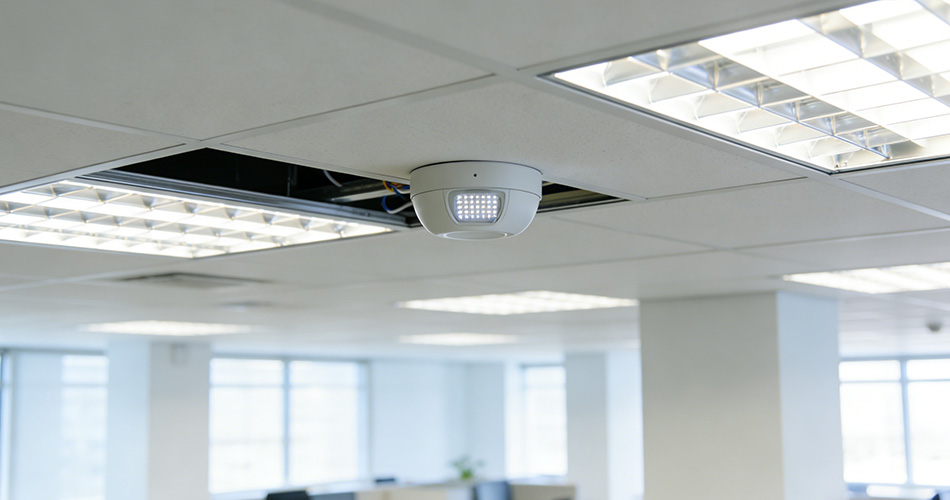
Modern indoor lighting sensor breaks through the limitations of traditional solutions, presenting four core advantages that adapt to the multi-dimensional needs of indoor spaces:
- Multi-dimensional perception for precise illumination: Advanced indoor lighting sensor can simultaneously detect ambient light intensity, color temperature, occupancy status, and even subtle changes in user activities. By integrating these data, it can dynamically adjust lighting parameters (brightness, color temperature, spectral composition) to maintain the optimal visual environment. For instance, it automatically dims artificial lights when natural light is abundant, and increases warm light proportion in the evening to align with human circadian rhythms.
- Cross-scene adaptability with personalized customization: Unlike traditional scenario-specific sensors, modern indoor lighting sensor supports programmable setting of multiple lighting modes, enabling flexible adaptation to diverse indoor spaces. Whether it is the high-color-rendering lighting required for art studios, the low-glare lighting for elderly bedrooms, or the adjustable lighting for multi-purpose classrooms, it can be customized to meet specific needs, realizing "one sensor for multiple scenes".
- Seamless linkage with smart indoor ecosystems: As a key node in the smart home/building network, indoor lighting sensor can seamlessly connect with smart curtains, HVAC systems, security devices, and health monitoring equipment. For example, when it detects strong sunlight, it triggers smart curtains to close while adjusting lighting brightness; when linked with a smart bed, it gradually brightens the room in the morning to help the user wake up naturally, creating a coordinated and intelligent indoor experience.
- Data-driven energy conservation and optimization: Indoor lighting sensor collects real-time data on lighting usage, occupancy patterns, and energy consumption. Facility managers or homeowners can use this data to identify energy-wasting behaviors, optimize lighting schedules, and refine sensor parameters. Studies show that intelligent lighting systems equipped with modern indoor lighting sensor can reduce lighting energy consumption by 30-40% compared to traditional systems, contributing to global energy conservation and carbon reduction goals.
Indoor lighting sensor has been widely applied across residential, commercial, medical, and educational fields, delivering targeted value for different indoor space needs:
- Smart Residential Spaces: In homes, indoor lighting sensor creates a personalized and convenient living experience. It detects the user’s entry into the hallway to turn on welcome lights, adjusts the bedroom lighting to warm and dim mode at bedtime, and automatically turns off lights in unoccupied rooms (such as kitchens or bathrooms) to save energy. It can also be linked with voice assistants, allowing users to control lighting through voice commands for added convenience.
- Commercial Public Areas (Malls, Hotel Lobbies): These spaces have high traffic flow and diverse lighting needs. Indoor lighting sensor adjusts lighting brightness and color temperature according to natural light changes and passenger flow—brightening display areas during peak hours to attract customers, and dimming non-key areas during off-peak hours to save energy. In hotel lobbies, it maintains soft and warm lighting to create a comfortable atmosphere for guests.
- Medical and Healthcare Facilities (Clinics, Nursing Homes): Medical spaces require strict lighting control to ensure diagnosis accuracy and patient comfort. Indoor lighting sensor provides high-brightness, high-color-rendering lighting in consultation rooms to help doctors observe symptoms clearly; in nursing homes, it adjusts lighting to avoid glare for the elderly and maintains appropriate brightness in corridors to prevent falls. It can also link with medical equipment to adjust lighting when devices are in use.
- Educational Institutions (Classrooms, Libraries): Classrooms and libraries have dynamic lighting needs based on teaching activities and natural light. Indoor lighting sensor adjusts brightness according to the number of students and the position of the sun, avoiding glare on blackboards or screens. In libraries, it maintains uniform and soft lighting to protect students’ eyes during long reading sessions, and automatically turns off lights in unused reading zones.
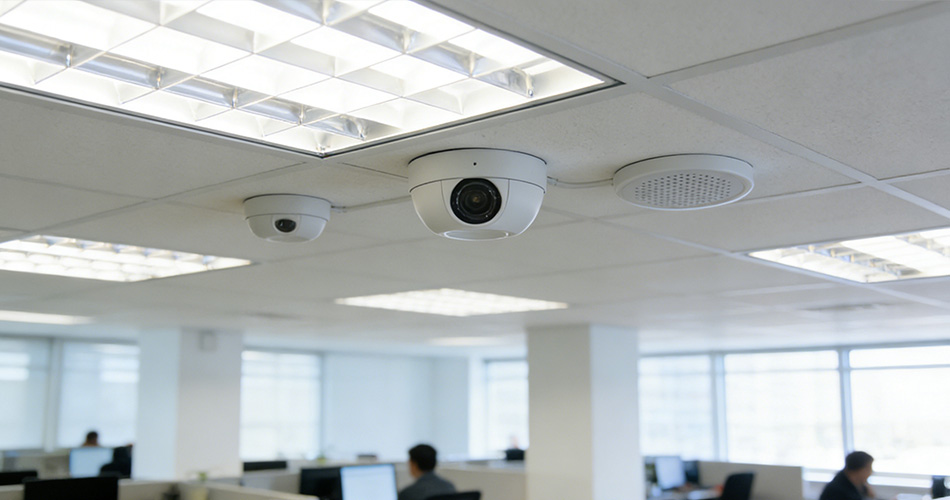
To fully exert the value of indoor lighting sensor and ensure the stable operation of intelligent lighting systems, the following implementation strategies should be adopted:
- Scenario-oriented sensor selection: Select indoor lighting sensor types based on the specific functional requirements of the space. For example, choose sensors with high spectral detection capabilities for art studios and medical facilities; select sensors with high sensitivity to subtle movements for elderly care homes; opt for sensors with strong anti-interference capabilities for commercial public areas with complex environments.
- Optimized installation and network configuration: Install sensors in unobstructed positions (such as ceiling centers or high walls) to ensure full coverage without blind spots. For large indoor spaces, adopt a zoned installation strategy and use wireless communication protocols (such as Matter or Bluetooth) to realize data transmission between sensors and the control system, simplifying wiring and installation.
- Personalized mode programming and user guidance: According to the usage habits of space users, program personalized lighting modes (such as "reading mode", "sleep mode", "teaching mode"). Install simple operation interfaces or provide user manuals to guide users to adjust modes or parameters, ensuring that the system is easy to use for all age groups.
- Strengthen system compatibility and data security: Ensure that indoor lighting sensor is compatible with mainstream smart home/building protocols to avoid integration problems with existing devices. For sensors that collect user behavior data, encrypt the data during transmission and storage, comply with relevant data protection regulations (such as GDPR), and protect user privacy.
Driven by AI, IoT, and health science technologies, indoor lighting sensor is evolving toward intelligence, personalization, and health orientation:
- AI-driven predictive lighting control: Future indoor lighting sensor will integrate AI algorithms to learn user behavior patterns and predict lighting needs. For example, it can predict the user’s return home time based on historical data and pre-adjust the indoor lighting to the user’s preferred mode, realizing "lighting that understands users".
- Integration with health monitoring for precision wellness lighting: Sensors will be linked with wearable devices to collect real-time physiological data (such as eye fatigue, heart rate) and adjust lighting spectral composition and brightness accordingly. For example, when detecting eye fatigue, it reduces blue light and adjusts to soft warm light to relieve strain, realizing the integration of lighting and health management.
- Low-carbon and energy-harvesting integrated design: With the promotion of global carbon neutrality goals, indoor lighting sensor will adopt more energy-efficient components and integrate energy-harvesting technologies (such as solar energy, kinetic energy) to achieve self-power supply. This reduces reliance on grid power and improves the sustainability of the system.
- Modular and open-platform development: The industry will tend to adopt modular design for indoor lighting sensor, allowing users to add functions (such as air quality detection, sound sensing) according to needs. At the same time, unified technical standards will be established to promote interoperability between different brands of sensors, enhancing the flexibility and scalability of the system.
In conclusion, indoor lighting sensor is reshaping the development pattern of indoor illumination systems, breaking through the rigidity and inefficiency of traditional lighting solutions. Its multi-dimensional perception, cross-scene adaptability, and seamless linkage capabilities make it an indispensable core component in smart indoor spaces across residential, commercial, medical, and educational fields. By adopting scenario-oriented selection, optimized installation, and personalized programming, users can fully leverage the value of indoor lighting sensor to create comfortable, energy-efficient, and healthy indoor environments. As AI and health technologies advance, indoor lighting sensor will move toward a more intelligent and human-centric future, playing a crucial role in promoting the development of smart cities and sustainable indoor spaces. For anyone involved in the design, construction, or management of indoor environments, prioritizing indoor lighting sensor is a strategic choice to enhance space value and improve user experience.


)
)
)
)

+86 15899791249

+86 755 2955 3313


Address: Huafeng No.1 Science and Technology Park, Sanwei, Bao'an District, Shenzhen, Guangdong, China.
