

Time:2025-12-29
In the era of smart building transformation, indoor lighting has evolved from a single functional tool to a core part of the human-centric indoor environment. As the "perceptual nerve" of intelligent lighting systems, the indoor lighting sensor collects real-time data on indoor light intensity, environmental changes, and user needs, enabling precise adjustment of lighting parameters and seamless linkage with other smart systems. Unlike traditional lighting systems that rely on manual control or fixed settings, indoor lighting sensor-driven intelligent lighting achieves dynamic adaptation to environmental changes and user preferences, while maximizing energy efficiency. For building designers, facility managers, and smart home users, understanding the value and application of indoor lighting sensor is crucial to creating comfortable, energy-saving, and intelligent indoor spaces. This article explores the core value, diversified application scenarios, key implementation strategies, and future development trends of indoor lighting sensor, highlighting its irreplaceable role in building a smart indoor illumination ecosystem.
Traditional indoor lighting systems lack effective sensing mechanisms, leading to significant gaps in user experience and energy efficiency. Most conventional lighting relies on manual switches or simple timed controls, which cannot respond to changes in indoor ambient light. For example, on cloudy days or in rooms with insufficient natural light, users need to manually turn on or adjust lights, while on sunny afternoons, excessive natural light may cause glare but cannot trigger automatic dimming of artificial lighting.
The single-function sensing devices in early lighting systems, such as basic photosensors, can only detect light intensity superficially and cannot integrate with other environmental factors (such as temperature, humidity, or user activity) for comprehensive regulation. This results in rigid lighting effects that cannot meet the diverse needs of different scenarios—for instance, art galleries require precise light intensity and spectral control to protect artworks, which traditional sensing methods cannot achieve. Additionally, the lack of data-driven sensing leads to inefficient energy use, with artificial lighting often operating at full power regardless of actual needs. These limitations highlight the necessity of advanced indoor lighting sensor to upgrade the intelligent level of indoor lighting.
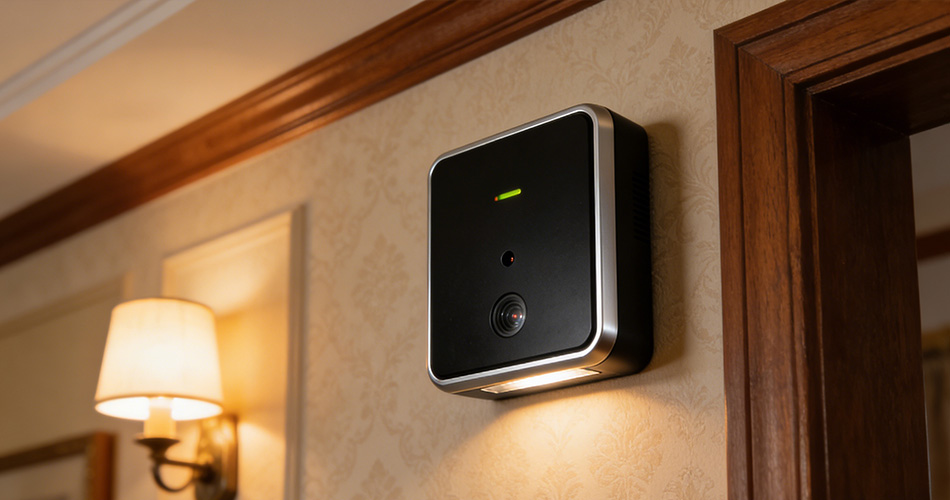
Indoor lighting sensor injects intelligent genes into indoor lighting systems, presenting four core values that promote the transformation of illumination experiences:
- Precise ambient light perception and adaptive regulation: Equipped with high-sensitivity light-sensing components, indoor lighting sensor can accurately detect changes in indoor natural light intensity and color temperature. It automatically adjusts the brightness and color temperature of artificial lighting to maintain a stable and comfortable light environment. For example, in the morning, it coordinates with natural light to provide soft warm light; at noon, it reduces artificial light intensity to avoid glare; in the evening, it gradually increases warm light proportion to adapt to human visual habits.
- Multi-dimensional energy efficiency optimization: By linking with user activity data and environmental parameters, indoor lighting sensor ensures that artificial lighting is only activated or adjusted when needed. It avoids energy waste caused by unnecessary lighting and realizes refined energy management. Studies have shown that intelligent lighting systems equipped with professional indoor lighting sensor can reduce lighting energy consumption by 35-50% compared with traditional systems, which is of great significance for achieving green building goals.
- Seamless linkage with smart indoor ecosystems: Indoor lighting sensor serves as a key node in the smart building network, enabling seamless connection with HVAC systems, smart curtains, security systems, and other devices. For example, when the sensor detects strong sunlight, it can trigger smart curtains to close while dimming indoor lights; when the security system detects an emergency, it can activate emergency lighting through the sensor to guide evacuation.
- Customized lighting experience for diverse scenarios: Advanced indoor lighting sensor supports multi-parameter adjustment (including brightness, color temperature, and even spectral composition) and can be programmed with scenario-specific lighting modes. It adapts to the unique lighting needs of different spaces, such as high-brightness and high-color-rendering lighting for laboratories, soft and stable lighting for art galleries, and dynamic adjustable lighting for smart retail stores.
Indoor lighting sensor plays a vital role in various indoor environments that require precise lighting control and intelligent experience, delivering targeted value across commercial, cultural, residential, and industrial sectors:
- Smart Retail Spaces: In shopping malls and boutique stores, indoor lighting sensor adjusts the brightness and color temperature of display lighting according to natural light changes and customer flow. For example, it enhances the color rendering of clothing display lights to highlight product details; in low-traffic periods, it reduces the intensity of non-key area lighting to save energy. It can also link with POS systems to adjust lighting of promotional areas based on sales data.
- Art Galleries and Museums: Cultural venues have strict requirements for lighting to protect artworks (such as oil paintings, calligraphy, and cultural relics) from light damage. Indoor lighting sensor precisely controls light intensity (avoiding excessive illumination) and spectral composition (reducing harmful ultraviolet and infrared rays), while maintaining the viewing experience. It automatically adjusts according to the position of exhibits and natural light changes to ensure the safety of cultural relics and the comfort of visitors.
- High-end Hotel Guest Rooms: Luxury hotels use indoor lighting sensor to create a personalized and comfortable stay experience. The sensor detects the guest's entry, automatically turns on welcome lighting; adjusts the lighting mode according to the time of day (such as work mode, rest mode, and sleep mode); and turns off unnecessary lighting when the guest leaves the room. It can also link with the air conditioning system to adjust the indoor environment comprehensively.
- Intelligent Laboratories: Laboratories require stable and precise lighting to ensure the accuracy of experiments. Indoor lighting sensor maintains constant light intensity and high color rendering index (CRI) to meet the needs of precision operations and instrument observation. It can also link with fume hoods and ventilation systems—when the fume hood is opened, the sensor increases the local lighting intensity to ensure operational safety.
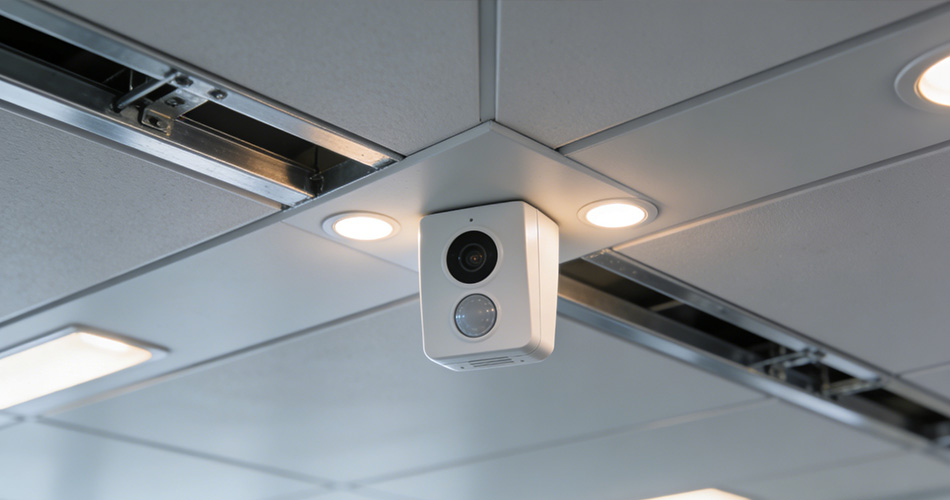
To fully exert the value of indoor lighting sensor and ensure the stable operation of the intelligent lighting system, the following key implementation strategies should be followed:
- Select sensor types based on scenario needs: Choose appropriate indoor lighting sensor types according to the functional requirements of the space. For example, art galleries should select sensors with spectral detection capabilities; retail spaces can use sensors integrated with occupancy detection and light sensing; laboratories need high-precision light intensity sensors. Avoid one-size-fits-all selection to ensure the sensor matches the scenario needs.
- Optimize sensor layout and data fusion: Install sensors in key positions to ensure full coverage of the space without blind spots. For large open spaces, adopt multi-sensor layout and data fusion technology to improve detection accuracy. Avoid placing sensors near light sources or reflective surfaces to prevent interference. Integrate data from multiple sensors (such as light sensors, temperature sensors, and occupancy sensors) to achieve comprehensive environmental perception.
- Ensure system compatibility and interoperability: Select indoor lighting sensor that supports mainstream smart building protocols (such as BACnet, Modbus, and Matter) to ensure compatibility with existing lighting systems and other smart devices. During the design phase, conduct system compatibility tests to avoid integration problems. Choose open-platform sensors to facilitate future system upgrades and expansions.
- Strengthen data security and privacy protection: For indoor lighting sensor with image sensing or user behavior collection functions, strengthen data encryption and privacy protection. Comply with relevant data protection regulations (such as GDPR and CCPA) to avoid unauthorized collection and use of user data. Regularly update sensor firmware to fix security vulnerabilities and ensure data transmission and storage security.
Driven by technologies such as AI, IoT, and human-centric lighting, indoor lighting sensor is evolving toward intelligence, refinement, and multi-functionality:
- AI-driven adaptive lighting control: Future indoor lighting sensor will integrate AI algorithms to learn user lighting preferences and activity patterns, realizing fully autonomous adaptive lighting. For example, it can identify the user's work type (such as reading, designing, or meeting) and automatically adjust lighting parameters to match the visual needs of the activity.
- Integration with health and wellness lighting: Sensors will be able to detect human physiological signals (such as eye fatigue and circadian rhythm) and adjust lighting spectral composition to promote health. For example, it can increase blue light proportion during the day to improve alertness, and reduce blue light at night to help sleep, achieving the integration of lighting and health management.
- Edge computing-based real-time control: Indoor lighting sensor will adopt edge computing technology to process sensing data locally, reducing reliance on cloud servers and minimizing control delay. This ensures real-time response to environmental changes, which is particularly important for scenarios with high real-time requirements (such as laboratories and emergency evacuation systems).
- Standardization and modularization development: The industry will establish unified technical standards for indoor lighting sensor, promoting interoperability between different brands and types of sensors. Modular sensor designs will become mainstream, allowing users to customize sensor functions (such as adding air quality detection or sound sensing modules) according to needs, improving the flexibility and cost-effectiveness of the system.
In conclusion, indoor lighting sensor is the core perception component of smart indoor illumination ecosystems, which breaks through the limitations of traditional lighting systems and realizes the transformation of indoor lighting from "passive control" to "active adaptation". Its precise environmental perception, energy efficiency optimization, and seamless linkage capabilities make it indispensable in retail, cultural, hotel, and laboratory scenarios. By following scientific implementation strategies such as scenario-based sensor selection and optimized layout, users can fully leverage its value to create comfortable, energy-saving, and intelligent indoor spaces. With the advancement of AI and health lighting technologies, indoor lighting sensor will play an increasingly important role in promoting the development of human-centric smart buildings. For anyone involved in the design and construction of smart indoor environments, prioritizing indoor lighting sensor is a strategic choice to enhance space value, improve user experience, and achieve sustainable development goals.


)
)
)
)

+86 15899791249

+86 755 2955 3313


Address: Huafeng No.1 Science and Technology Park, Sanwei, Bao'an District, Shenzhen, Guangdong, China.
