

Time:2025-12-29
In the era of smart indoor environments, lighting systems are no longer just about providing brightness—they are evolving into user-centric, energy-efficient solutions that adapt to human activity. The indoor occupancy lighting sensor, a key component of intelligent indoor ecosystems, automatically detects human presence within indoor spaces and adjusts lighting intensity, color temperature, and on/off status accordingly. Unlike traditional manual lighting controls or timed switches that waste energy in unoccupied areas, indoor occupancy lighting sensor ensures that illumination is only provided when and where it is needed. This technology not only optimizes energy consumption but also enhances user comfort and productivity by matching lighting to occupancy patterns. For facility managers, interior designers, and homeowners, adopting indoor occupancy lighting sensor is crucial to building sustainable, intelligent, and user-friendly indoor spaces. This article explores the core advantages, targeted indoor application scenarios, implementation guidelines, and future trends of indoor occupancy lighting sensor, highlighting its pivotal role in redefining indoor illumination.
Traditional indoor lighting control methods fail to meet the dual demands of energy efficiency and user comfort in modern indoor spaces. Manual light switches, the most common traditional solution, rely on human intervention—often leading to lights being left on in unoccupied rooms (such as empty offices, meeting rooms, or corridors) for extended periods. This results in significant energy waste, with studies showing that unnecessary lighting accounts for 20-30% of total energy consumption in commercial buildings.
Timed lighting systems, another conventional alternative, lack flexibility to adapt to dynamic occupancy patterns. For example, a timed switch set to turn off office lights at 7 PM may shut down prematurely if employees work overtime, or stay on unnecessarily if the office is empty earlier. Additionally, traditional lighting controls cannot adjust lighting parameters (such as brightness or color temperature) based on occupancy density or activity type, leading to suboptimal user experiences—such as overly bright lights in a quiet reading room or insufficient illumination in a busy workspace. These limitations underscore the need for indoor occupancy lighting sensor, which delivers adaptive, efficient, and user-centric lighting control.
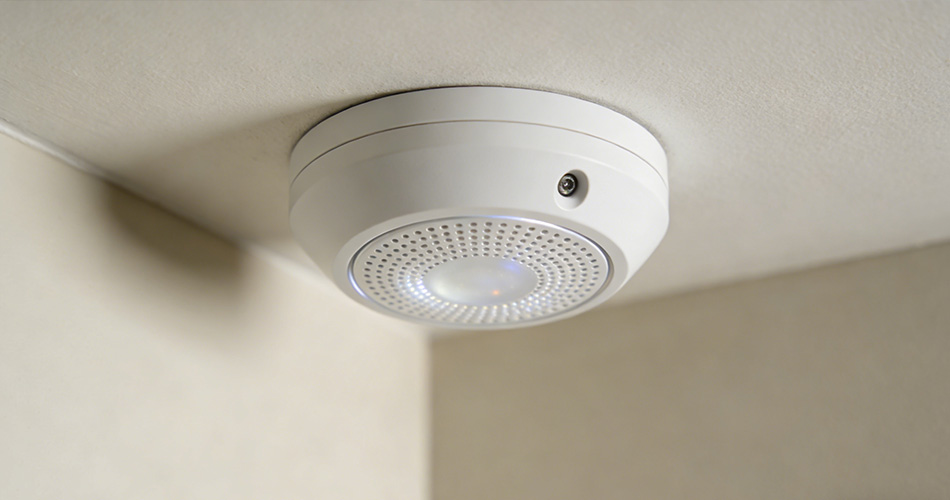
Indoor occupancy lighting sensor offers four key advantages that transform indoor lighting from passive to active, intelligent systems:
- Precision-driven energy efficiency: By accurately detecting indoor occupancy, the sensor ensures that lighting is activated only when the space is in use, eliminating energy waste from forgotten or unnecessary lighting. In commercial buildings like office towers or shopping malls, this can reduce lighting energy consumption by 30-40%, directly lowering utility costs and supporting sustainability goals.
- Adaptive lighting experience for diverse activities: Advanced indoor occupancy lighting sensor can integrate with ambient light sensors and activity recognition technologies to adjust lighting parameters dynamically. For instance, it can dim lights in a conference room during a presentation, brighten illumination in a workspace during focused work, or switch to warm-toned lighting in a residential living room in the evening, matching lighting to user needs.
- Reduced operational and maintenance burden: Unlike manual controls that require constant oversight to ensure energy efficiency, indoor occupancy lighting sensor operates autonomously. Facility managers no longer need to assign staff to check and turn off unused lights, reducing labor costs. The sensor’s long operational life (when properly maintained) also minimizes replacement and maintenance efforts.
- Seamless integration with smart indoor ecosystems: Indoor occupancy lighting sensor is compatible with mainstream smart building and home automation systems, enabling seamless linkage with HVAC, security cameras, and access control systems. For example, it can trigger lighting to turn on when an access card is swiped, or coordinate with HVAC to adjust temperature while optimizing lighting, creating a unified intelligent indoor environment.
Indoor occupancy lighting sensor excels in diverse indoor environments where dynamic occupancy patterns and user-centric lighting are prioritized, delivering targeted value across commercial, residential, and public sectors:
- Intelligent Office Spaces: In open offices, cubicles, and meeting rooms, indoor occupancy lighting sensor adjusts lighting based on employee presence and activity. For example, it turns on lights in individual workstations when employees arrive, dims lights in unoccupied meeting rooms, and switches to presentation mode when a meeting is detected. This balances energy efficiency with employee productivity and comfort.
- Smart Residential Spaces: In homes, indoor occupancy lighting sensor enhances convenience and energy savings. It can turn on hallway lights when someone walks at night, turn off kitchen lights after the space is vacated, and adjust bedroom lighting to warm tones as bedtime approaches. For families with children or elderly members, it eliminates the need for manual switch operation, improving safety and accessibility.
- Healthcare Facilities (Hospitals and Clinics): In medical environments, indoor occupancy lighting sensor ensures precise lighting for medical procedures while conserving energy in unoccupied areas. For example, it maintains bright, cool-toned lighting in operating rooms and examination rooms when in use, and dims lights in patient wards during rest periods to support recovery. It also avoids disruptions to patients by preventing unnecessary lighting changes.
- Educational Institutions (Classrooms and Libraries): In classrooms, indoor occupancy lighting sensor adjusts lighting based on class schedules and student activity—brightening during lectures, dimming during multimedia sessions, and turning off during breaks. In libraries, it maintains consistent, eye-friendly lighting in occupied reading areas while turning off lights in empty sections, balancing user experience with energy efficiency.
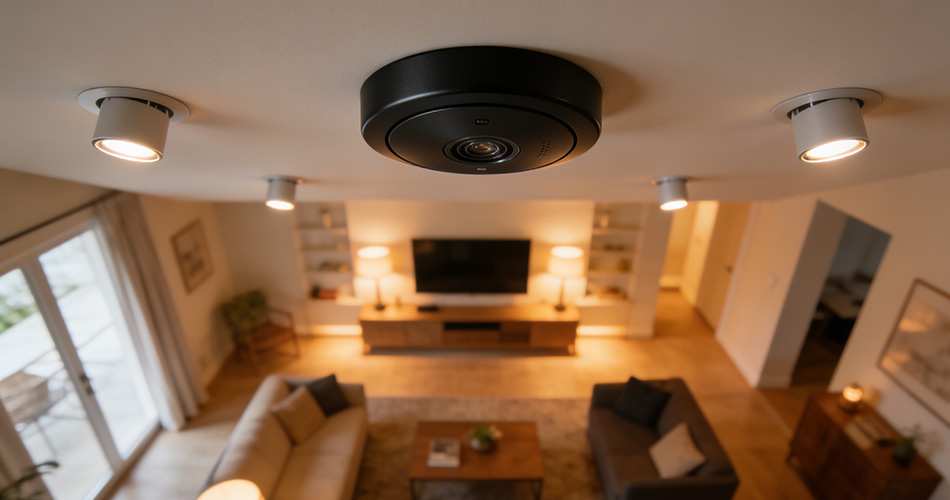
To maximize the performance and value of indoor occupancy lighting sensor, follow these practical implementation guidelines:
- Optimize sensor placement based on indoor layout: Install sensors in strategic locations to ensure full coverage of the space without blind spots. For open areas, mount sensors at ceiling heights to cover large zones; for partitioned spaces (such as cubicles or small offices), install individual sensors for each zone to avoid false triggers or missed detections. Avoid placing sensors near windows or air vents that may cause interference from sunlight or air currents.
- Calibrate sensor parameters to match occupancy patterns: Adjust sensor sensitivity and delay time according to the space’s usage characteristics. For high-traffic areas (such as office corridors), set a short delay time (1-3 minutes) to turn off lights quickly after occupancy ends; for spaces with long-duration activity (such as meeting rooms or libraries), set a longer delay time (5-10 minutes) to avoid frequent on/off cycles.
- Integrate with lighting systems for adaptive control: Ensure the sensor is compatible with the existing lighting system (such as LED dimming systems or smart bulbs) to enable seamless adjustment of brightness and color temperature. Work with lighting designers to program activity-specific lighting scenes (such as "work mode" or "relax mode") that the sensor can trigger automatically based on occupancy.
- Conduct regular maintenance and performance checks: Clean sensor lenses periodically to remove dust or debris that may affect detection accuracy. Test sensor performance regularly to verify that it correctly detects occupancy and adjusts lighting as intended. Update sensor firmware (for smart models) to ensure compatibility with the latest automation systems and security enhancements.
Driven by advancements in AI, IoT, and human-centric design, indoor occupancy lighting sensor is evolving toward greater intelligence and personalization:
- AI-powered activity recognition and personalized lighting: Future sensors will integrate AI algorithms to recognize specific indoor activities (such as reading, working, or resting) and automatically adjust lighting parameters to match individual preferences. For example, the sensor can learn a user’s preferred brightness for reading and apply it whenever the activity is detected.
- Multi-sensor fusion for enhanced accuracy: Sensors will collaborate with other indoor smart devices (such as cameras, voice assistants, and wearables) to improve detection accuracy. For instance, data from wearables can confirm user presence, while voice commands can override sensor controls, creating a more flexible and reliable system.
- Circadian rhythm synchronization: Advanced indoor occupancy lighting sensor will adjust lighting color temperature and intensity based on the time of day to align with human circadian rhythms. This supports better sleep quality, improved mood, and enhanced productivity—particularly valuable in offices, hospitals, and residential spaces.
- Cloud-based remote monitoring and management: Smart sensors will support cloud-based platforms, allowing facility managers to monitor lighting usage, sensor performance, and energy consumption remotely. This enables data-driven optimization of lighting systems, such as adjusting sensor parameters for different areas based on occupancy data analytics.
In conclusion, indoor occupancy lighting sensor is a transformative technology that redefines indoor illumination by combining energy efficiency with user-centric adaptability. By addressing the limitations of traditional lighting controls—such as energy waste and inflexibility—it delivers significant value across offices, homes, healthcare facilities, and educational institutions. Through optimized placement, calibration, and integration with smart ecosystems, users can fully leverage its advantages to create sustainable, comfortable, and intelligent indoor spaces. As AI and IoT technologies advance, indoor occupancy lighting sensor will become even more personalized and integrated, playing a central role in the future of human-centric smart indoor environments. For anyone involved in designing, building, or managing indoor spaces, prioritizing indoor occupancy lighting sensor is a strategic choice to enhance energy efficiency, user experience, and overall space value.


)
)
)
)

+86 15899791249

+86 755 2955 3313


Address: Huafeng No.1 Science and Technology Park, Sanwei, Bao'an District, Shenzhen, Guangdong, China.
