

Time:2025-11-05
In industrial and heavy-duty commercial settings—from manufacturing plants and logistics warehouses to outdoor industrial yards—lighting systems face relentless exposure to harsh conditions. Extreme temperatures, heavy dust, frequent moisture, and mechanical vibrations can quickly disable standard photocell sensors, disrupting automated lighting operation. This is where industrial grade photocell sensors environmental specifications become critical. These specifications define how well a sensor withstands tough environments, directly impacting the reliability, lifespan, and performance of commercial smart lighting solutions. For businesses investing in industrial lighting, understanding industrial grade photocell sensors environmental specifications is essential to avoid costly downtime, frequent replacements, and compromised safety. This article breaks down the core of these specifications and their role in building robust industrial lighting systems.
Standard photocell sensors, designed for mild indoor or residential use, lack the resilience to handle industrial environments. Without adherence to rigorous industrial grade photocell sensors environmental specifications, sensors may fail in ways that disrupt operations:
- A sensor unable to tolerate high temperatures might shut down in summer factory settings, leaving assembly lines in darkness.
- A sensor with poor dust resistance could clog in a warehouse, leading to false lighting triggers and wasted energy.
- A sensor not rated for vibration might malfunction in logistics yards with heavy truck traffic, endangering workers loading or unloading goods.
For commercial smart lighting solutions targeting industrial clients, industrial grade photocell sensors environmental specifications are not just “nice-to-haves”—they are non-negotiable. They ensure sensors integrate seamlessly with other industrial lighting components (controllers, gateways, and remote management systems) while delivering consistent performance, even in the harshest conditions. They also reduce long-term maintenance costs: a sensor built to meet industrial environmental standards can last 3–5 years longer than a standard model, minimizing replacement frequency.
Industrial grade photocell sensors are defined by a set of environmental specifications tailored to industrial stressors. These specifications focus on five key areas, each addressing a common industrial challenge:
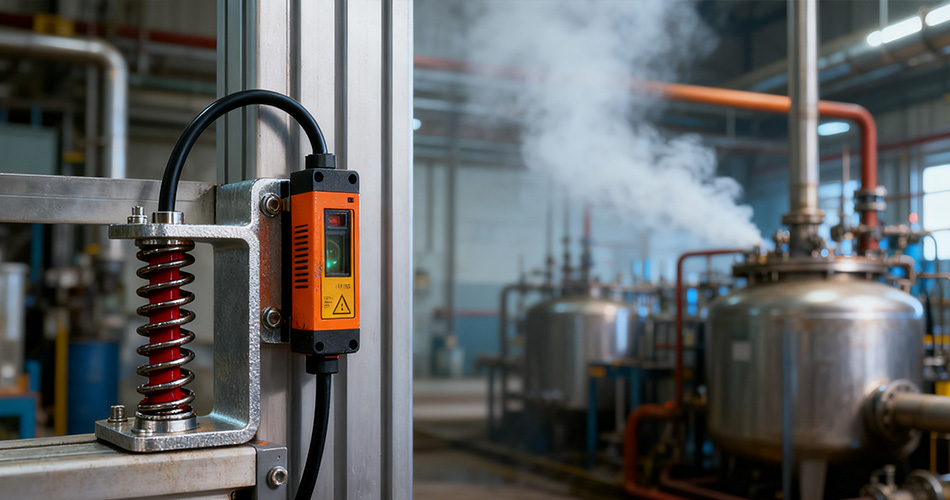
Industrial spaces often experience extreme temperature swings—from freezing winters in outdoor yards to high heat in manufacturing facilities with heavy machinery. Industrial grade photocell sensors environmental specifications for temperature typically include:
- Wide operating temperature ranges to handle both cold and heat (e.g., -40°C to 70°C), ensuring the sensor doesn’t freeze, overheat, or lose calibration in extreme conditions.
- Thermal shock resistance, which prevents damage when temperatures change rapidly (e.g., a sensor in a warehouse that shifts from cold night air to warm daytime heat).
Dust, dirt, and moisture are ubiquitous in industrial settings—think sawdust in a woodworking plant or rain in an outdoor industrial yard. Industrial grade photocell sensors environmental specifications prioritize high IP ratings:
- A minimum IP65 rating (dust-tight and protected against low-pressure water jets) for most indoor industrial spaces like factories.
- IP67 or IP68 ratings for outdoor or wet environments (e.g., industrial wastewater treatment plants), ensuring sensors resist submersion or heavy rain.
Industrial environments are often high-vibration zones—from operating machinery in factories to constant truck movement in logistics hubs. Industrial grade photocell sensors environmental specifications include:
- Vibration resistance ratings (e.g., IEC 60068-2-6) that ensure sensors maintain functionality when exposed to ongoing vibrations.
- Shock resistance (e.g., IEC 60068-2-27) to withstand sudden impacts, such as a dropped tool near the sensor or a heavy pallet being moved nearby.
High humidity (e.g., in food processing plants) or corrosive substances (e.g., chemicals in pharmaceutical facilities) can degrade standard sensors. Industrial grade photocell sensors environmental specifications address this with:
- Humidity resistance (e.g., 90–95% relative humidity, non-condensing) to prevent internal component rust or short circuits.
- Corrosion-resistant materials (e.g., stainless steel housings or anti-corrosive coatings) that protect against chemical exposure or salt air in coastal industrial facilities.
For outdoor industrial spaces—like oil refineries or construction sites—sensors face prolonged UV exposure and harsh weather. Industrial grade photocell sensors environmental specifications include:
- UV-stabilized housings to prevent material degradation from sunlight, which can cause cracks or discoloration over time.
- Resistance to extreme weather events (e.g., strong winds, snow) to ensure the sensor remains securely mounted and functional.
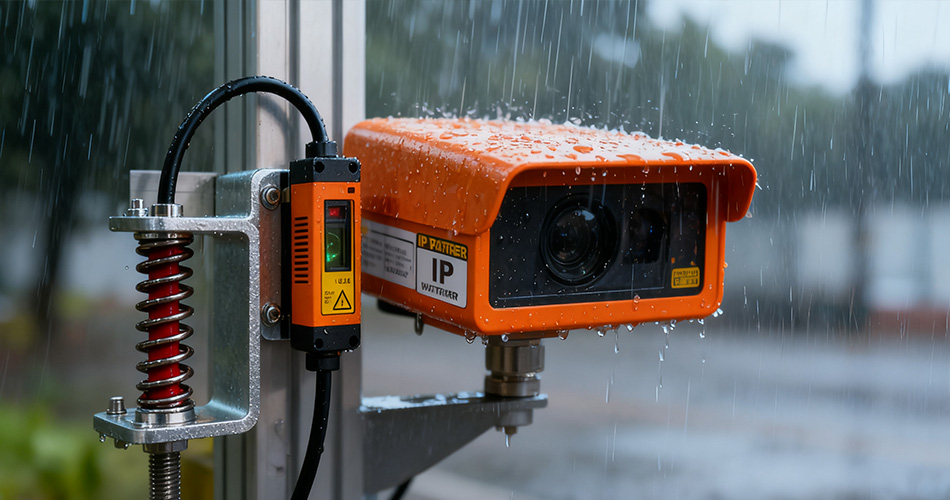
To maximize the value of industrial grade photocell sensors, businesses must align industrial grade photocell sensors environmental specifications with their specific lighting scene (use case):
- Manufacturing Plants: Prioritize temperature resistance (for hot machinery areas) and vibration resistance (near production lines), paired with IP65 dust protection.
- Logistics Warehouses: Focus on IP65 or IP67 ratings (for dust and occasional water exposure) and shock resistance (from pallet jacks or forklifts).
- Outdoor Industrial Yards: Opt for IP68 waterproofing, UV resistance, and wide temperature ranges to handle seasonal changes and harsh weather.
- Chemical or Food Processing Facilities: Choose corrosion-resistant sensors with high humidity tolerance to avoid damage from chemicals or moisture.
Additionally, these sensors should integrate smoothly with other commercial smart lighting components. For example, a sensor with strong vibration resistance can communicate reliably with a central controller, ensuring automated lighting adjustments (e.g., dimming during daylight hours) aren’t interrupted by machinery vibrations.
Industrial Grade Photocell Sensors Environmental Specifications are the foundation of durable, reliable industrial lighting systems. By defining how sensors withstand temperature, dust, moisture, vibration, and corrosion, these specifications ensure commercial smart lighting solutions perform consistently in the toughest industrial settings. For businesses, investing in sensors that meet these specifications translates to lower maintenance costs, reduced downtime, and enhanced safety—critical for keeping industrial operations running smoothly.
When paired with a full suite of commercial smart lighting components (controllers, gateways, and remote management tools), industrial grade photocell sensors deliver an ecosystem that adapts to industrial needs while enduring harsh conditions. For organizations seeking to upgrade their industrial lighting, prioritizing industrial grade photocell sensors environmental specifications ensures a long-lasting, high-performance solution that supports productivity and sustainability.
【Contact us for a free quote】
Related ne
Industrial Grade Photocell Sensors: Smart Hub Guide


)
)
)
)

+86 15899791249

+86 755 2955 3313


Address: Huafeng No.1 Science and Technology Park, Sanwei, Bao'an District, Shenzhen, Guangdong, China.
