

Time:2025-11-05
In the demanding landscape of commercial smart lighting, industrial grade photocell sensors stand out as a critical component, engineered to deliver consistent performance in harsh and high-usage environments. Unlike standard photocell sensors designed for residential or mild commercial use, industrial grade photocell sensors are built to withstand extreme temperatures, heavy dust, moisture, and mechanical stress—making them indispensable for industrial facilities, logistics hubs, and outdoor industrial spaces. For businesses investing in robust commercial smart lighting solutions, understanding the unique value and applications of industrial grade photocell sensors is key to ensuring long-term reliability, energy efficiency, and operational safety. This article explores why these sensors are a cornerstone of industrial smart lighting and how to leverage them effectively.
Industrial grade photocell sensors offer distinct benefits that address the challenges of industrial and heavy-duty commercial settings:
1. Exceptional Durability: Built with rugged materials—such as corrosion-resistant housings and reinforced internal components—these sensors resist wear and tear from constant use, harsh weather, and industrial debris. For example, a sensor installed in a manufacturing plant can endure exposure to metal shavings or chemical fumes without compromising functionality, unlike standard sensors that might fail within months.
2. Wide Environmental Adaptability: Industrial environments often experience extreme conditions, and industrial grade photocell sensors are designed to handle them. They operate reliably across broad temperature ranges (from freezing winters to scorching summers), tolerate high humidity, and repel dust and water ingress—ensuring consistent light detection even in the most challenging climates.
3. Long-Term Cost Efficiency: While the initial investment may be higher than standard sensors, industrial grade photocell sensors have a significantly longer lifespan (often 5–10 years vs. 2–3 years for standard models). This reduces replacement frequency and maintenance costs, making them a cost-effective choice for businesses with large-scale lighting systems.
4. Precise and Consistent Performance: Industrial operations depend on predictable lighting automation. These sensors maintain accurate light detection thresholds over time, avoiding false triggers (e.g., from passing clouds or temporary shadows) that can disrupt production or waste energy. This precision ensures lights activate only when needed—at dusk or in low-light conditions—and turn off promptly at dawn.
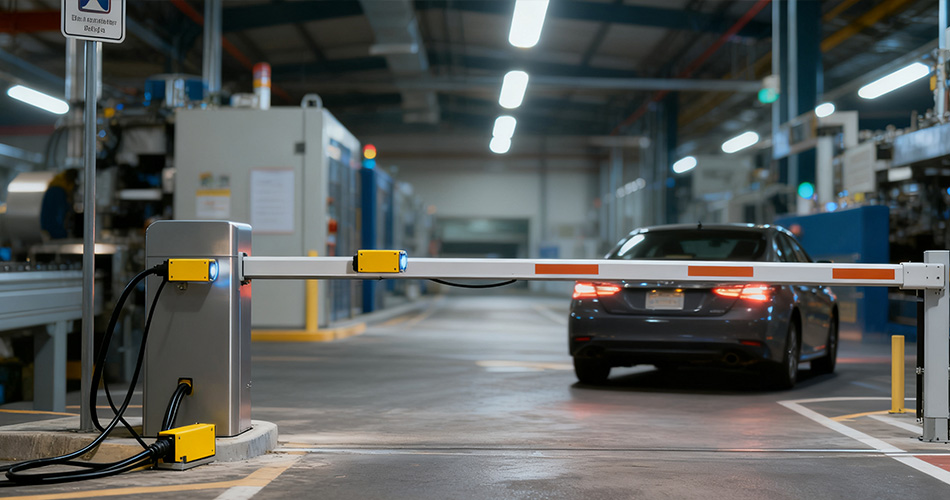
The versatility of industrial grade photocell sensors makes them suitable for a range of high-stakes commercial smart lighting scenarios:
Factories and production plants require lighting that aligns with shift schedules and natural light cycles. industrial grade photocell sensors automate high-bay lighting, ensuring work areas are well-lit during early morning or evening shifts while dimming or turning off lights during midday when natural light is abundant. Their durability stands up to machinery vibrations and airborne particles common in manufacturing environments.
Warehouse yards and loading docks operate around the clock, with lighting critical for worker safety and efficient operations. industrial grade photocell sensors trigger floodlights and dock lights at dusk, providing clear visibility for loading/unloading tasks. Their weather resistance ensures reliable performance in rain, snow, or extreme heat, while dust-proof designs prevent clogging from warehouse debris.
Oil refineries, construction sites, and power plants rely on outdoor lighting for security and safety. industrial grade photocell sensors withstand exposure to UV radiation, strong winds, and harsh chemicals, ensuring perimeter lights and pathway lighting activate consistently at dusk. Their robust construction minimizes downtime, which is crucial for industries where lighting failures can lead to safety hazards or operational delays.
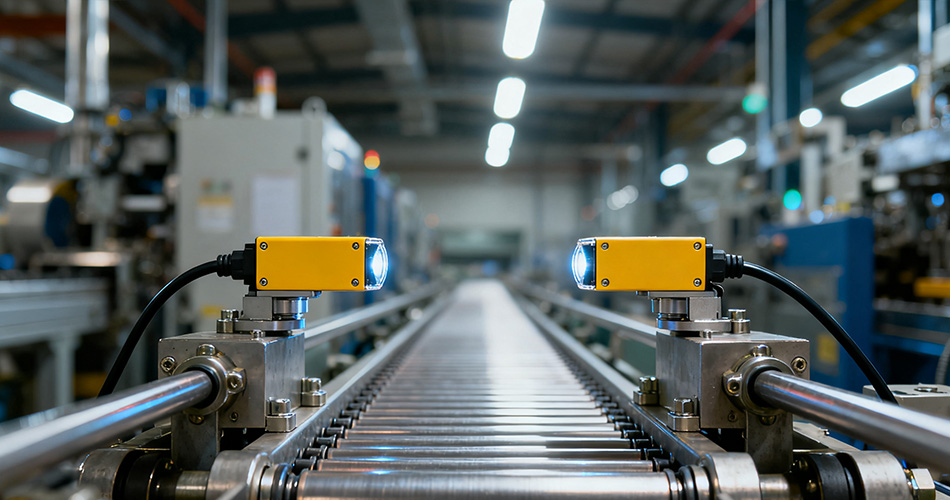
To maximize the value of industrial grade photocell sensors, integrate them seamlessly with other components of a commercial smart lighting ecosystem:
1. Pair with Smart Controllers: Connect sensors to smart controllers to set custom lighting rules—such as dimming lights to 60% instead of turning them off completely, or overriding the sensor during emergency situations. This flexibility enhances energy savings while adapting to operational needs.
2. Leverage Remote Monitoring via Gateways: Use gateways to track sensor performance remotely. This allows facility managers to receive alerts if a sensor malfunctions, check light activation logs, and adjust thresholds without physically accessing hard-to-reach industrial areas—saving time and reducing safety risks.
3. Prioritize Strategic Installation: Mount sensors in unobstructed areas to ensure accurate light detection, away from reflective surfaces (like metal equipment) or direct light sources (such as nearby lamps). For outdoor applications, choose elevated mounting positions to avoid damage from machinery or vehicles.
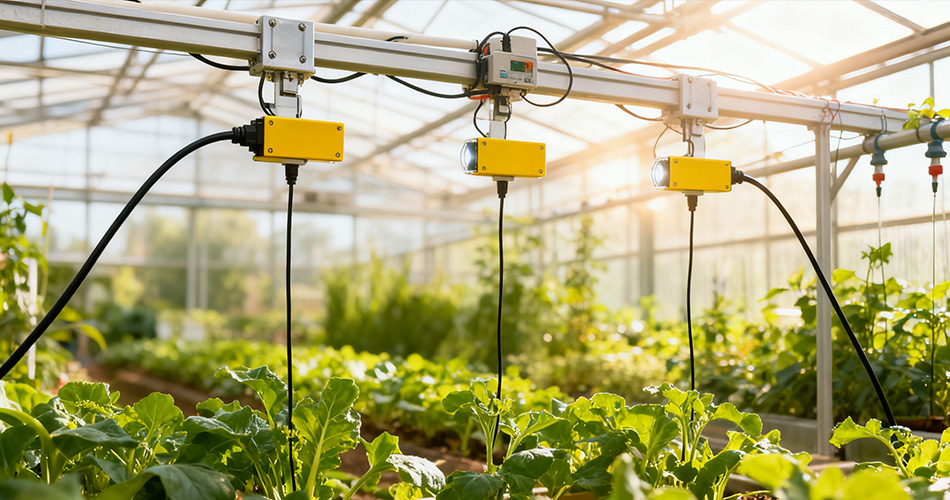
Industrial grade photocell sensors are more than just a component of commercial smart lighting—they are a reliable, durable solution that ensures industrial and heavy-duty commercial spaces operate safely, efficiently, and cost-effectively. By withstanding harsh environments, delivering precise performance, and integrating seamlessly with smart lighting systems, these sensors address the unique challenges of industrial settings.
For businesses looking to upgrade their industrial lighting infrastructure, prioritizing industrial grade photocell sensors is a strategic investment. They not only reduce long-term maintenance costs but also provide the peace of mind that comes with a lighting system built to handle the rigors of industrial operations. When paired with controllers, gateways, and remote management tools, industrial grade photocell sensors form the backbone of a smart lighting solution that adapts to changing needs while delivering consistent, reliable performance.
【Contact us for a free quote】
Industrial Grade Photocell Sensors: Smart Hub Guide


)
)
)
)

+86 15899791249

+86 755 2955 3313


Address: Huafeng No.1 Science and Technology Park, Sanwei, Bao'an District, Shenzhen, Guangdong, China.
