

Time:2025-11-05
In high-risk industrial environments—such as oil refineries, chemical plants, grain silos, and paint manufacturing facilities—even a small electrical spark can ignite flammable gases, vapors, or dust. For commercial smart lighting systems in these spaces, industrial photocell hazardous location certifications are not just regulatory checkboxes but critical safeguards that prevent catastrophic accidents. These certifications validate that photocell sensors are designed to operate safely in explosive or flammable atmospheres, aligning with global safety standards. For businesses deploying industrial lighting in hazardous locations, understanding industrial photocell hazardous location certifications is essential to ensure compliance, protect personnel, and avoid costly operational disruptions. This article explores the core of these certifications and their role in building secure commercial smart lighting solutions.
Hazardous locations present unique risks that standard industrial photocells cannot address. A non-certified sensor might generate sparks from internal wiring, overheat, or fail in ways that ignite surrounding hazardous materials. The consequences are severe: fires, explosions, worker injuries, and regulatory fines that can reach millions. Industrial photocell hazardous location certifications mitigate these risks by ensuring sensors meet strict design and performance criteria—from flameproof housings to temperature limits that prevent ignition.
Compliance is another driving factor. Most countries mandate certifications for electrical equipment in hazardous locations. For example, a chemical plant operating in the EU must use sensors with ATEX certification, while a U.S.-based oil refinery requires UL or CSA certifications. Without these credentials, businesses face shutdowns or legal penalties. Additionally, certifications build trust with stakeholders: clients, insurers, and regulatory bodies recognize certified sensors as a commitment to safety, which is critical for industrial operations.
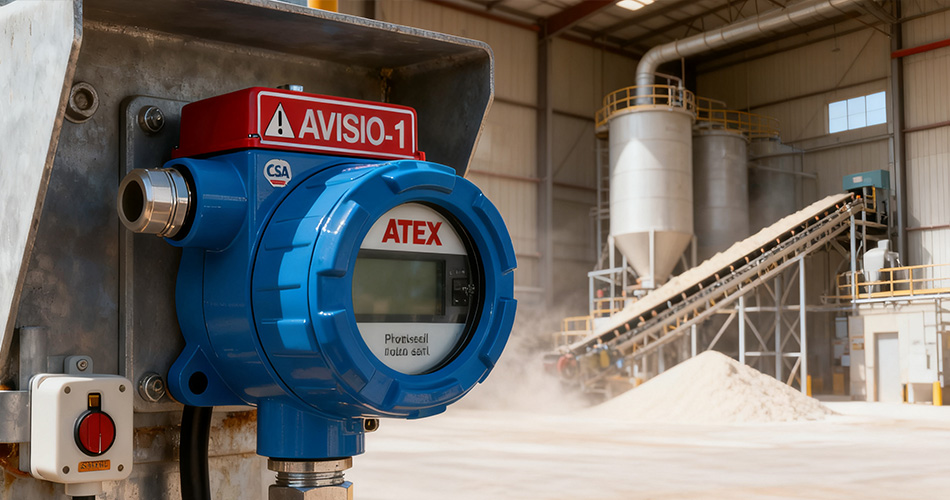
Certifications vary by region but share the goal of ensuring safety. The most widely recognized industrial photocell hazardous location certifications include:
ATEX is the EU’s directive for equipment used in explosive atmospheres. It classifies hazardous locations into “zones” based on the type and duration of hazard:
- Zone 0/20: Continuous or long-term presence of flammable gases/vapors (0) or combustible dust (20).
- Zone 1/21: Occasional presence of hazards during normal operation.
- Zone 2/22: Rare presence of hazards, typically during equipment failure.
ATEX-certified photocells are designed for specific zones, with features like flameproof enclosures (for Zone 1) or dust-ignition-proof housings (for Zone 21) that contain any internal sparks.
IECEx is a global certification system that harmonizes safety standards across 40+ countries, including Australia, Brazil, and China. It aligns with IEC 60079 standards and uses the same zone classification as ATEX. IECEx-certified industrial photocells offer cross-border compatibility, making them ideal for multinational businesses with operations in multiple regions. The certification ensures sensors meet consistent safety criteria, regardless of the country of use.
Underwriters Laboratories (UL) and Canadian Standards Association (CSA) certifications are mandatory for hazardous locations in the U.S. and Canada. They classify locations using “Divisions” and “Groups”:
- Division 1: Hazardous atmosphere present during normal operation; Division 2: Hazardous atmosphere present only during abnormal conditions.
- Groups A-G: Classify the type of flammable material (e.g., Group B for hydrogen, Group F for coal dust).
UL/CSA-certified photocells include features like intrinsic safety (limiting electrical energy to non-ignitable levels) or pressurized enclosures that prevent hazardous materials from entering the sensor.
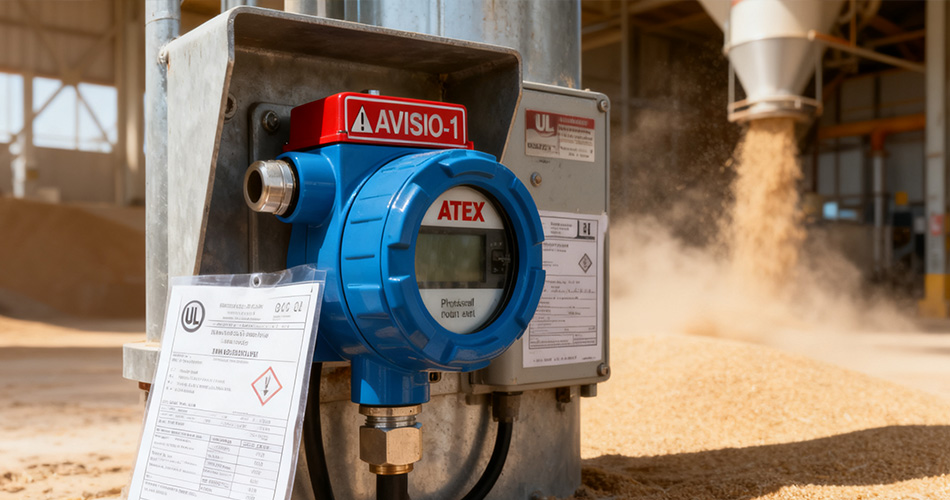
To select the right industrial photocell, businesses must align industrial photocell hazardous location certifications with their specific environment:
- Oil & Gas Facilities: Zones 1/2 (gas) or Divisions 1/2 (Group C/D). Choose ATEX/IECEx Zone 1 or UL Division 1-certified sensors with flameproof housings.
- Grain Silos & Food Processing: Zones 20/21/22 (dust). Opt for ATEX Zone 21 or UL Division 2 (Group F/G) sensors with dust-ignition-proof designs.
- Chemical Plants: Zones 0/1 (highly flammable chemicals). Select IECEx Zone 0-certified sensors with intrinsic safety to limit ignition risk.
Certified photocells must also integrate seamlessly with commercial smart lighting systems. For example, a flameproof ATEX Zone 1 sensor should communicate reliably with a central controller to automate dusk-dawn lighting, ensuring safety without sacrificing efficiency. Remote monitoring via gateways allows facility managers to track sensor performance without entering hazardous zones, reducing risk further.
To maximize safety and compliance:
- Verify Certification Validity: Ensure certifications are up-to-date and issued by accredited bodies (e.g., UL, BASEEFA for ATEX). Avoid “self-certified” products, which lack third-party validation.
- Train Maintenance Teams: Ensure staff understand how to install and service certified sensors without compromising their safety features (e.g., not modifying flameproof enclosures).
- Schedule Regular Audits: Recheck sensor certifications and performance during annual safety audits, replacing any damaged or expired units immediately.
Industrial photocell hazardous location certifications are the cornerstone of safe, compliant commercial smart lighting in high-risk environments. By validating that sensors can operate without igniting hazardous materials, these certifications protect workers, prevent accidents, and ensure regulatory compliance. For businesses operating in oil refineries, chemical plants, or dust-prone facilities, investing in certified photocells is not just a safety measure but a strategic necessity.
When paired with a full suite of commercial smart lighting components—controllers, gateways, and remote management tools—certified industrial photocells deliver an ecosystem that balances safety, efficiency, and operational control. For organizations seeking to upgrade their hazardous location lighting, prioritizing industrial photocell hazardous location certifications ensures a lighting solution that meets the highest safety standards while supporting seamless, automated operation.


)
)
)
)

+86 15899791249

+86 755 2955 3313


Address: Huafeng No.1 Science and Technology Park, Sanwei, Bao'an District, Shenzhen, Guangdong, China.
