

Time:2025-12-02
In an era where energy efficiency and operational flexibility are paramount for commercial and industrial spaces, kinetic energy harvesting wireless sensor technology has emerged as a game-changing innovation. This cutting-edge solution addresses two critical pain points in modern facility management: the reliance on disposable batteries for sensors and the limitations of wired systems. By converting ambient motion, vibration, or mechanical activity into usable power, this technology enables seamless, self-sustaining wireless sensing—transforming how industries monitor, control, and optimize their operations.
At its heart, kinetic energy harvesting wireless sensor technology eliminates the need for frequent battery replacements and complex wiring, two factors that have long hindered the scalability of wireless sensor networks. Unlike traditional sensors that require regular maintenance to replace depleted batteries—adding labor costs and operational downtime—these kinetic-powered sensors draw energy from their surrounding environment. Whether it’s the vibration of industrial machinery, the movement of personnel in commercial buildings, or even subtle air flow in warehouses, the technology captures and converts kinetic energy into a reliable power source.
For commercial and industrial sectors, this translates to unmatched sustainability and cost-effectiveness. Businesses no longer face the financial burden of battery procurement or the environmental impact of disposing of thousands of batteries annually. Moreover, the wireless nature of the technology allows for easy deployment in hard-to-reach areas—such as high ceilings in warehouses, remote industrial zones, or historic buildings where wiring would be intrusive or impractical. This flexibility makes it an ideal fit for a wide range of commercial applications, from smart lighting control to facility monitoring and beyond.

Kinetic energy harvesting wireless sensor technology is reshaping operations in key commercial sectors, offering tailored solutions that align with industry-specific needs. In smart lighting systems— a critical component of modern commercial spaces—these sensors play a pivotal role in optimizing energy use. For example, in warehouses or manufacturing facilities, sensors powered by kinetic energy can detect motion or occupancy, triggering lighting adjustments in real time. This not only reduces energy waste by ensuring lights are only active when needed but also eliminates the need for manual control or battery-powered sensors that require constant upkeep.
In healthcare settings such as hospitals, the technology provides a reliable solution for lighting and environmental monitoring. Hospitals require consistent, low-maintenance systems to support patient care, and kinetic energy harvesting wireless sensors deliver on this need. They can adjust lighting levels in patient rooms based on natural light or occupancy, while also monitoring temperature and humidity—all without the risk of battery failure disrupting critical operations. Similarly, in educational institutions and office buildings, these sensors enhance user comfort by adapting lighting and environmental conditions to human activity, while cutting down on operational costs.
Beyond lighting, the technology is making inroads in industrial equipment monitoring. Sensors powered by machine vibration can track performance metrics, detect anomalies, and send real-time alerts—helping businesses prevent costly downtime and extend the lifespan of their equipment. In transportation hubs or retail spaces, kinetic energy from foot traffic can power sensors that monitor crowd flow, enabling better space management and improved customer experiences.

As global businesses prioritize sustainability and digital transformation, kinetic energy harvesting wireless sensor technology is becoming a cornerstone of the Internet of Things (IoT) ecosystem. Its ability to operate independently of external power sources makes it a key enabler of self-sustaining smart buildings and industrial facilities. By integrating with other IoT devices—such as gateways, controllers, and cloud management platforms—it creates a connected network that delivers actionable insights, driving data-driven decision-making.
From an environmental perspective, the technology aligns with global efforts to reduce carbon footprints. By eliminating battery waste and reducing energy consumption, businesses adopting this technology can make significant strides toward their sustainability goals. Additionally, the long-term reliability of kinetic-powered sensors reduces the need for resource-intensive maintenance, further minimizing environmental impact.
Looking ahead, advancements in miniaturization and energy conversion efficiency will expand the applications of kinetic energy harvesting wireless sensor technology even further. We can expect to see it integrated into more compact, versatile devices, capable of powering increasingly complex functions—from advanced environmental monitoring to seamless integration with AI-driven control systems. For commercial enterprises, this means greater operational agility, lower costs, and a stronger commitment to sustainability.
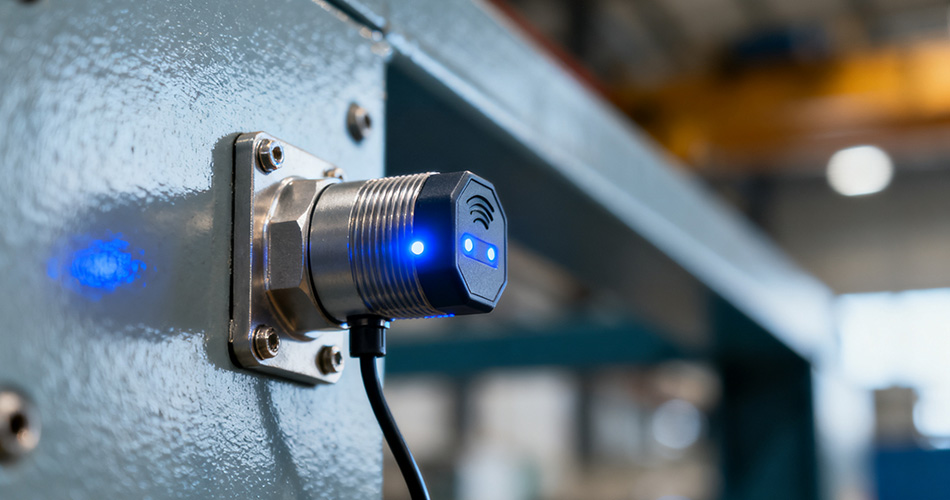
In conclusion, kinetic energy harvesting wireless sensor technology is more than just an innovative solution—it’s a catalyst for change in the commercial sector. By combining sustainability, reliability, and flexibility, it addresses the evolving needs of modern businesses, from small offices to large industrial complexes. As industries continue to embrace smart technologies, this kinetic-powered innovation will undoubtedly remain at the forefront, driving efficiency, reducing environmental impact, and redefining what’s possible in commercial operations.


)
)
)
)

+86 15899791249

+86 755 2955 3313


Address: Huafeng No.1 Science and Technology Park, Sanwei, Bao'an District, Shenzhen, Guangdong, China.
