

Time:2025-10-13
When it comes to emergency lighting, ensuring compatibility between LED drivers and powerpacks is crucial. With the right solutions, you can provide reliable illumination during emergencies, safeguarding people and property. In this article, we will explore the specifications and requirements for LED driver powerpack solutions, focusing on emergency lighting compatibility.
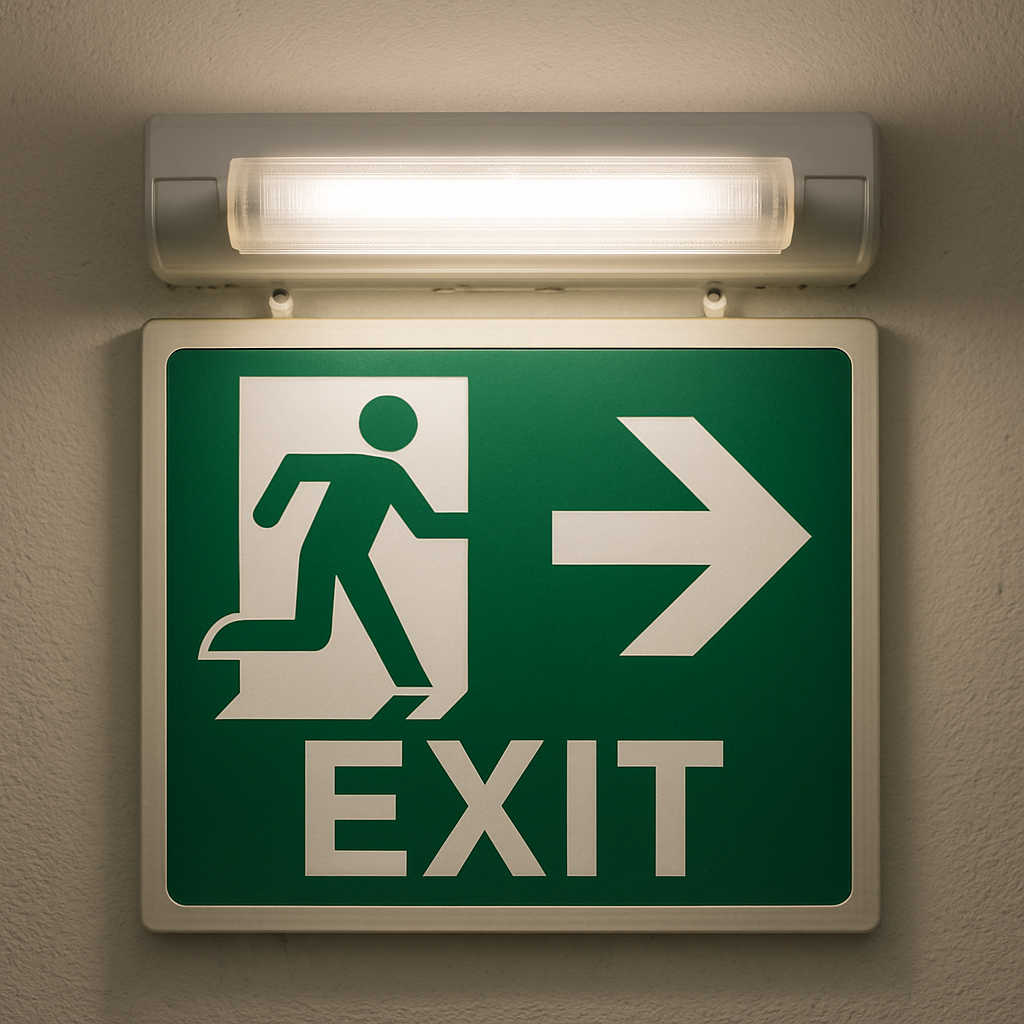
Emergency lighting is essential for safety in buildings, especially during power outages. These systems provide illumination to guide occupants to exits and ensure safe evacuation. Emergency lighting solutions typically involve LED lights powered by driver powerpacks, which kick in during emergencies to ensure continuous light output.
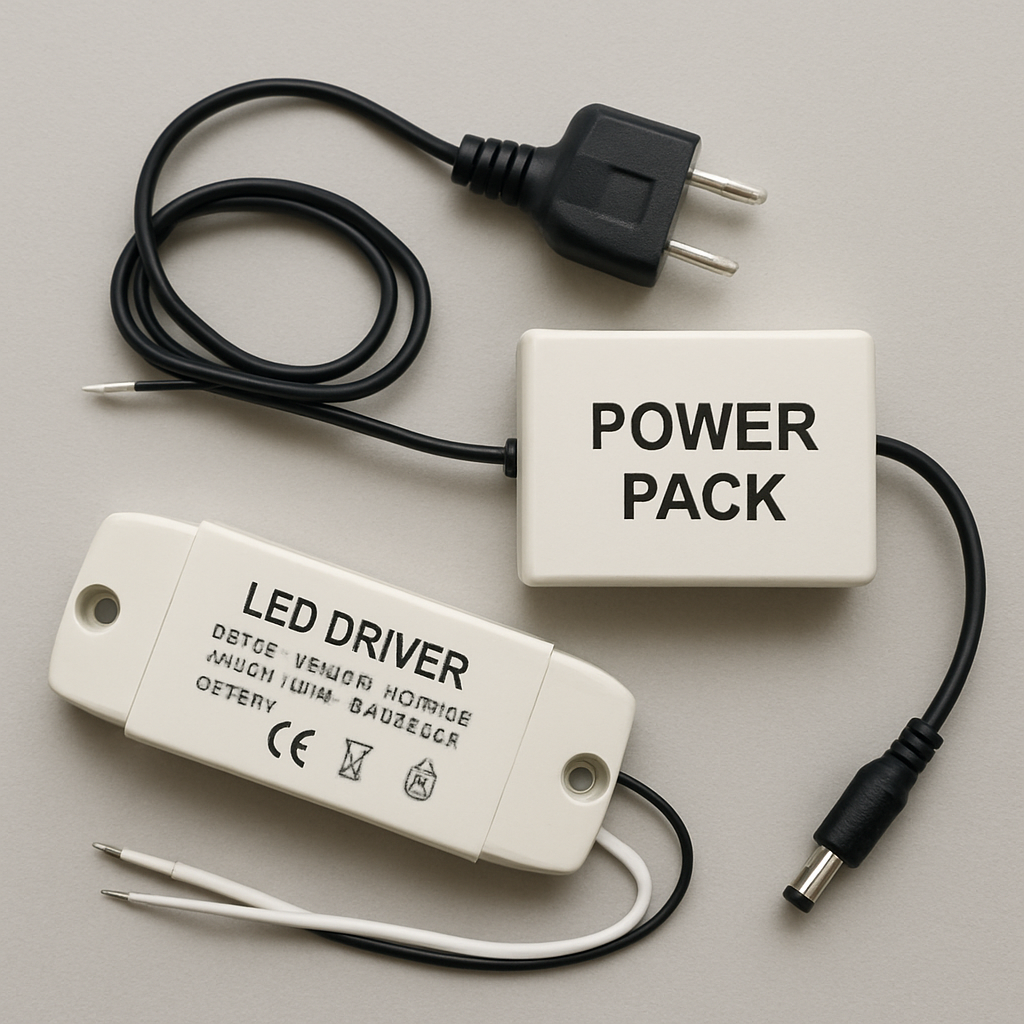
LED drivers are devices that regulate the power to an LED or a string of LEDs. In emergency lighting, they play a vital role by ensuring that the LED lights receive the correct voltage and current, enabling them to function efficiently and reliably during an emergency.
Powerpacks are battery systems that store energy and supply it to the LED lights during a power failure. They are an integral part of emergency lighting solutions, providing the necessary power to keep lights on when the main power supply is interrupted.
To ensure that LED drivers and powerpacks work seamlessly together in emergency lighting solutions, several compatibility specifications must be met.
The LED driver must be compatible with the powerpack's voltage and current output. This ensures that the LEDs receive a steady and appropriate power supply during an emergency. Checking these specifications is essential to avoid overloading the LEDs or causing insufficient illumination.
The powerpack's battery capacity determines how long the emergency lights can function. It is crucial to choose a powerpack with sufficient capacity to meet the building's evacuation time requirements. Typically, emergency lighting systems should provide at least 90 minutes of illumination, but this can vary based on local regulations.
Some LED drivers offer dimming capabilities, which can be useful in emergency lighting solutions. Dimming allows for energy savings during non-emergency situations while still providing full brightness during an emergency. Ensure that the LED driver and powerpack support dimming if this feature is desired.
Ensuring the reliability of emergency lighting solutions involves regular testing and maintenance. Here are some key considerations:
Emergency lighting systems should be tested regularly to ensure they function correctly during an emergency. This involves simulating a power failure and checking that the LED lights illuminate as expected. Regular testing can identify potential issues before they become critical.
Powerpack batteries degrade over time and may need to be replaced. Regular maintenance checks can help determine when a battery replacement is necessary. Keeping batteries in good condition ensures that the emergency lighting system will function reliably when needed.
Ensure that your emergency lighting solutions comply with relevant standards and regulations, such as the National Fire Protection Association (NFPA) standards or local building codes. Compliance guarantees that the system meets safety requirements and performs effectively during emergencies.
When choosing LED driver powerpack solutions for emergency lighting, consider the following factors to ensure compatibility and reliability:
Ensure that the LED driver and powerpack are compatible with your existing emergency lighting system. This may involve checking the voltage, current, and other technical specifications to ensure seamless integration.
Select products from reputable manufacturers known for quality and reliability. Good manufacturers offer support and resources, making it easier to install, test, and maintain the emergency lighting system.
Consider future needs when selecting emergency lighting solutions. Choose products that allow for scalability and easy upgrades, ensuring the system remains effective as your building or safety requirements evolve.
Implementing effective emergency lighting solutions offers numerous benefits, including:
Enhanced Safety: Provides reliable illumination during emergencies, ensuring safe evacuation and reducing the risk of accidents.
Regulatory Compliance: Meets safety standards and regulations, avoiding potential legal issues and liabilities.
Operational Continuity: Minimizes disruption during power outages, maintaining a safe and functional environment.
Energy Efficiency: Modern LED drivers and powerpacks are designed for energy efficiency, reducing operational costs over time.
LED driver powerpack solutions are a critical component of emergency lighting systems. By understanding the compatibility specifications and ensuring regular testing and maintenance, you can create a reliable and efficient emergency lighting solution that enhances safety and compliance. Remember to choose quality products from reputable manufacturers and consider future needs to keep your system effective and up to date.
In a world where safety is paramount, investing in robust emergency lighting solutions is not just a regulatory requirement but a commitment to the well-being of occupants in any building.


)
)
)
)

+86 15899791249

+86 755 2955 3313


Address: Huafeng No.1 Science and Technology Park, Sanwei, Bao'an District, Shenzhen, Guangdong, China.
