

Time:2025-12-15
As the cornerstone of smart lighting systems and integrated building management, the lighting sensor has evolved from a simple detection device to a critical data node that drives energy efficiency, user comfort, and operational intelligence. In modern smart buildings—ranging from green offices and Smart Hospital to intelligent logistics parks—lighting sensors not only enable automated illumination control but also synergize with HVAC, security, and energy management systems to create cohesive, sustainable environments. However, realizing the full potential of a lighting sensor requires more than just proper installation; it demands a holistic approach to its entire lifecycle, from strategic model selection to proactive maintenance and iterative upgrades. For building owners, facility managers, and smart building designers, understanding how to maximize the lifecycle value of a lighting sensor is key to optimizing building performance and reducing long-term operational costs. This article explores the multi-dimensional value of lighting sensors, outlines lifecycle optimization strategies, and highlights their pivotal role in advancing smart building ecosystems.
Smart buildings rely on interconnected systems to achieve seamless operation and sustainability goals, and lighting sensors serve as the "perceptual foundation" of this ecosystem. By collecting real-time data on occupancy, ambient light intensity, and space utilization, lighting sensors provide actionable insights that enable data-driven decision-making across multiple building systems. Unlike standalone lighting controls, modern lighting sensors integrate seamlessly with building management systems (BMS), enabling synergistic operations that transcend individual system boundaries.
For example, a lighting sensor’s occupancy data can trigger HVAC systems to adjust temperature and airflow in occupied zones, reducing energy waste in unoccupied areas. Ambient light data from sensors can coordinate with window shading systems to balance natural light and artificial illumination, optimizing both energy consumption and visual comfort for occupants. In security scenarios, lighting sensors can work with surveillance cameras and access control systems to brighten illumination in specific areas when unusual activity is detected, enhancing safety. This synergy underscores why the lighting sensor is not just a component of smart lighting but a critical enabler of holistic smart building performance.
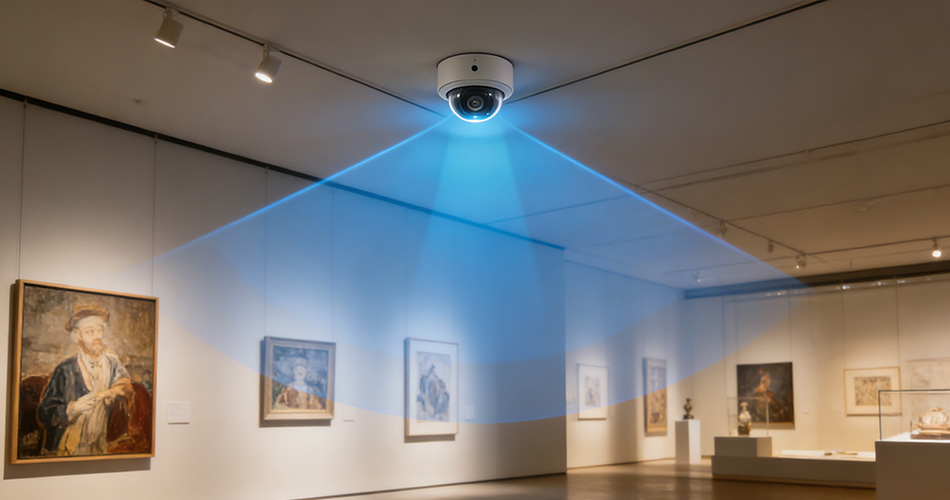
The value of a lighting sensor is not limited to its initial functionality; it accumulates throughout its entire lifecycle. Maximizing this value requires strategic attention to four key stages:
First, strategic selection aligned with building goals. The foundation of lifecycle value lies in choosing the right lighting sensor for specific building needs. For energy-efficient green buildings, prioritize sensors with high-precision ambient light detection and occupancy sensing capabilities to support daylight harvesting and demand-based lighting control. For healthcare facilities, select lighting sensors with low-noise operation and adjustable detection sensitivity to avoid disrupting patient rest while ensuring reliable illumination for medical staff. For logistics parks with large open spaces, opt for long-range motion detection sensors that can cover wide areas without compromising accuracy. Avoid over-specifying or under-specifying sensors, as both can reduce lifecycle value by increasing costs or limiting functionality.
Second, professional installation and system integration. Improper installation can negate the performance advantages of a high-quality lighting sensor. Professional installation ensures optimal sensor placement—e.g., avoiding direct sunlight or reflective surfaces that may interfere with detection, and positioning sensors to cover target areas without redundant overlap. Equally important is seamless integration with existing BMS and smart systems. During installation, ensure that lighting sensor data is accurately transmitted to other systems, enabling the synergistic operations critical to smart building performance. Post-installation testing is also essential to verify detection accuracy, system connectivity, and compliance with building goals.
Third, proactive maintenance and calibration. Over time, environmental factors such as dust accumulation, lens fogging, and component aging can degrade lighting sensor performance. Proactive maintenance—including regular cleaning of sensor lenses, inspection of wiring connections, and calibration of detection parameters—ensures consistent performance throughout the sensor’s lifespan. For example, quarterly calibration of ambient light sensors adjusts for seasonal changes in natural light, maintaining accurate daylight harvesting. In harsh environments like industrial logistics parks, more frequent maintenance may be needed to protect sensors from dust, vibration, and temperature fluctuations. Proactive maintenance not only extends sensor lifespan but also preserves its data accuracy, ensuring ongoing system synergy.
Fourth, iterative upgrade and technology adaptation. As smart building technology evolves, lighting sensors can be upgraded to integrate new functionalities—such as AI-driven occupancy pattern analysis, wireless connectivity upgrades, or compatibility with emerging IoT protocols. For example, retrofitting existing lighting sensors with AI modules enables them to distinguish between different occupancy types (e.g., staff vs. visitors in a hospital) and adjust lighting and HVAC settings accordingly. Upgrading to wireless sensors can reduce wiring costs and enable flexible reconfiguration of sensor placement as building usage changes. Iterative upgrades ensure that lighting sensors remain relevant and continue to deliver value amid technological advancements.
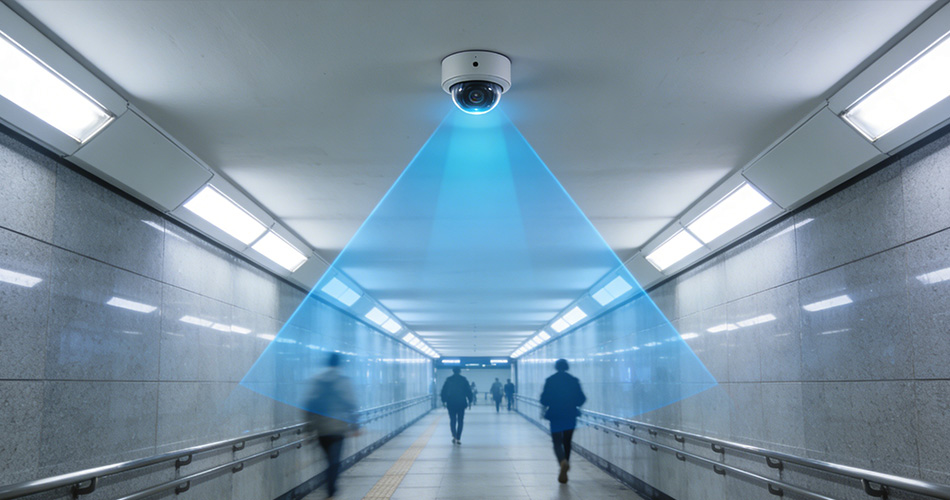
Lighting sensors deliver targeted value across diverse smart building scenarios, adapting to unique operational needs and environmental conditions:
Smart healthcare facilities (hospitals, clinics): Lighting sensors in patient rooms are designed to detect subtle movements of medical staff while avoiding false triggers from patient turn over or medical equipment. They integrate with nurse call systems to brighten lights when assistance is requested and dim to low levels during nighttime to support patient sleep. In operating rooms, high-precision lighting sensors coordinate with surgical lighting systems to maintain optimal illumination levels, ensuring surgical safety.
Intelligent logistics parks & warehouses: Large-scale logistics facilities use long-range lighting sensors to cover vast storage areas and loading docks. These sensors detect forklift and worker movement, activating lights only in occupied zones to reduce energy waste. They integrate with warehouse management systems (WMS) to adjust lighting based on shipment schedules, ensuring bright illumination during peak operation hours and minimizing energy use during off-peak times.
Green office buildings: Lighting sensors in open-plan offices support daylight harvesting by adjusting artificial lighting intensity based on ambient light levels. Occupancy sensors detect which workstations are in use, turning off lights in unoccupied areas and syncing with HVAC systems to reduce energy consumption. In meeting rooms, sensors trigger lighting activation when participants enter and adjust brightness based on the number of occupants, enhancing comfort and efficiency.
Smart educational campuses: Universities and schools use lighting sensors to balance energy efficiency and student safety. In lecture halls, sensors activate lights when classes start and turn off automatically after the lecture ends. In campus corridors and parking lots, motion-activated lighting sensors ensure bright illumination when students or staff are present, enhancing safety during evening hours while reducing energy use in low-traffic periods.
To maximize the lifecycle value and performance of lighting sensors, implement these targeted optimization strategies:
First, adopt a data-driven maintenance approach. Use BMS data to monitor lighting sensor performance, identifying anomalies such as frequent false triggers, missed detections, or connectivity issues. This data-driven approach allows facility managers to address problems proactively rather than reactively, reducing downtime and maintenance costs.
Second, ensure cross-system compatibility during upgrade. When upgrading lighting sensors, verify compatibility with existing BMS, IoT platforms, and wireless protocols (e.g., LoRaWAN, Wi-Fi 6). Compatibility ensures that upgraded sensors integrate seamlessly with other systems, preserving system synergy and avoiding costly reconfiguration of existing infrastructure.
Third, customize sensor settings for scenario-specific needs. Adjust lighting sensor parameters—such as detection range, sensitivity, and auto-off delay—to match the unique characteristics of each space. For example, in high-traffic areas like hospital corridors, set shorter auto-off delays to save energy, while in low-traffic storage areas, use longer delays to avoid frequent on/off cycling.
Fourth, prioritize sustainability in sensor selection. Choose lighting sensors made from eco-friendly materials and designed for energy efficiency. Opt for sensors with low power consumption, especially in wireless or battery-powered applications, to reduce environmental impact and lower replacement costs.
As smart building technology advances, lighting sensors are evolving to deliver even greater value and intelligence:
One trend is AI-enhanced predictive analytics. Future lighting sensors will use AI to analyze historical occupancy data, predicting usage patterns and adjusting lighting and building systems proactively. For example, a sensor in an office building can predict peak occupancy times and pre-adjust lighting and HVAC settings to ensure comfort and efficiency.
Another trend is self-powered lighting sensors. Manufacturers are developing sensors that harvest energy from ambient light, vibration, or temperature differences, eliminating the need for battery replacements or wired power. These self-sustaining sensors are ideal for remote areas like logistics park storage yards, reducing maintenance costs and environmental impact.
Finally, enhanced human-centric lighting control. Lighting sensors will integrate with biometric data (e.g., circadian rhythm monitoring) to adjust lighting color temperature and intensity based on human physiological needs. For example, in healthcare facilities, sensors can adjust lighting to support patients’ circadian rhythms, improving sleep quality and recovery outcomes.
In conclusion, the lighting sensor is a pivotal component of smart building ecosystems, delivering multi-dimensional value throughout its lifecycle. By adopting a holistic approach to selection, installation, maintenance, and upgrade, organizations can maximize the performance and value of lighting sensors, driving energy efficiency, user comfort, and operational intelligence. As AI and sustainable technology advance, lighting sensors will become even more intelligent and integrated, further solidifying their role as a cornerstone of smart, sustainable buildings. For anyone investing in smart building infrastructure, prioritizing the lifecycle optimization of lighting sensors is a strategic choice that delivers long-term operational value and supports the evolution of future-ready built environments.


)
)
)
)

+86 15899791249

+86 755 2955 3313


Address: Huafeng No.1 Science and Technology Park, Sanwei, Bao'an District, Shenzhen, Guangdong, China.
