

Time:2025-12-10
In the era of smart buildings and global sustainability initiatives, lighting systems are no longer just about illumination—they are integral to energy efficiency, user comfort, and operational agility. At the heart of this transformation lies the lighting sensor, a compact yet powerful device that bridges the gap between passive lighting and intelligent, responsive control. Lighting sensors enable automated adjustments based on real-time data, such as occupancy, ambient light levels, and user behavior, making them indispensable for modern commercial, industrial, and residential facilities. For facility managers, sustainability teams, and building owners, understanding the value and application of lighting sensors is key to unlocking the full potential of smart lighting systems and achieving long-term environmental and financial goals.
Traditional lighting systems operate on fixed schedules or manual controls, leading to significant energy waste, compromised user experience, and unnecessary operational costs. Lighting sensors address these flaws by introducing data-driven intelligence, ensuring lighting is only used when and how it is needed. Unlike basic timers or switches, lighting sensors adapt to dynamic environmental and occupancy changes, making them far more efficient and user-centric.
Beyond energy savings, lighting sensors play a critical role in enhancing safety and well-being. For example, motion-detecting lighting sensors ensure that walkways, stairwells, and parking lots are illuminated when occupied, reducing the risk of falls or accidents. Ambient light sensors, meanwhile, adjust artificial lighting to maintain consistent brightness levels, reducing eye strain and creating more comfortable environments for work, rest, or leisure. In commercial settings, these benefits translate to improved employee productivity, higher customer satisfaction, and stronger compliance with sustainability regulations—all of which contribute to a facility’s bottom line.
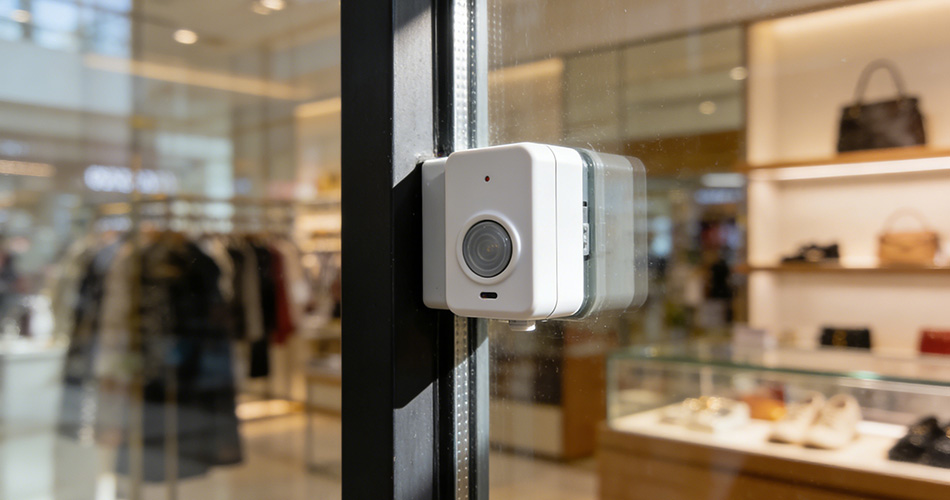
Lighting sensors come in several specialized types, each designed to address specific use cases and environmental conditions. Understanding their unique functions helps organizations select the right sensors for their needs:
1. Occupancy Sensors: The most widely used type of lighting sensor, occupancy sensors detect human presence using infrared (IR), ultrasonic, or microwave technology. They trigger lighting to turn on when occupancy is detected and turn off or dim when the area is unoccupied for a set period. Ideal for offices, restrooms, corridors, and warehouses, occupancy sensors eliminate the energy waste of "always-on" lighting in variable-occupancy spaces.
2. Ambient Light Sensors (Photocells): These lighting sensors measure the intensity of natural light in a space and adjust artificial lighting accordingly. On bright days, they reduce artificial light output to maintain a consistent brightness level, leveraging free renewable energy to cut energy use. Ambient light sensors are particularly effective in spaces with large windows, skylights, or glass walls, such as retail stores, lobbies, and classrooms.
3. Motion Sensors: Similar to occupancy sensors but focused on detecting movement rather than continuous occupancy, motion sensors are ideal for security and safety applications. They trigger lighting in response to movement, deterring intruders in outdoor spaces (e.g., parking garages, building exteriors) and alerting staff to activity in restricted areas. Motion sensors can also be integrated with security cameras for enhanced surveillance.
4. Daylight Harvesting Sensors: A specialized subset of ambient light sensors, daylight harvesting sensors are calibrated to optimize the balance between natural and artificial light. They not only reduce energy use but also support human circadian rhythms by maintaining natural light patterns, making them ideal for healthcare facilities, schools, and residential buildings where well-being is a priority.
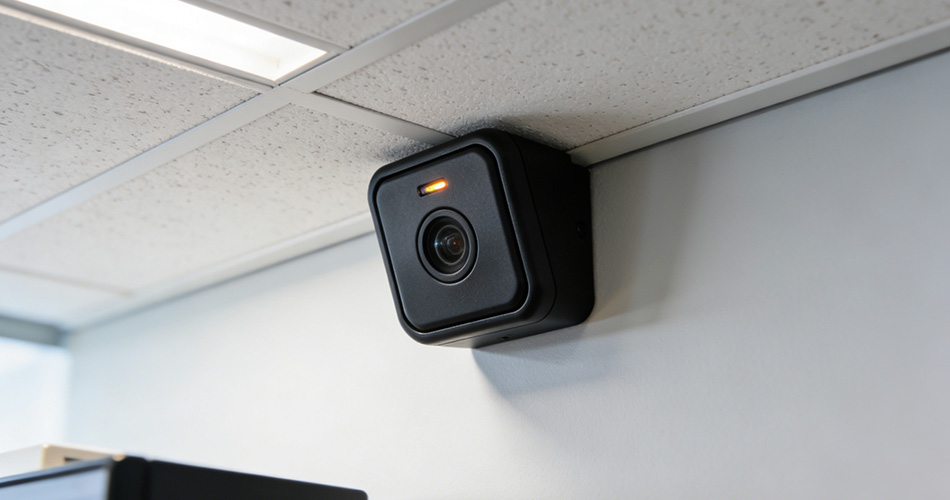
Lighting sensors are versatile, adapting to diverse facility types and delivering tailored value across sectors:
Commercial Office Buildings: Lighting sensors enhance energy efficiency and workspace flexibility in hybrid work environments. Occupancy sensors in meeting rooms and open workspaces ensure lighting is only on when in use, while ambient light sensors create balanced illumination for focused work. Integration with building management systems (BMS) allows lighting to sync with HVAC systems, further optimizing energy use.
Industrial Facilities: In warehouses, factories, and manufacturing plants, lighting sensors improve safety and reduce energy costs. Motion sensors trigger lighting in active work zones (e.g., forklift paths, assembly lines) and dim in unoccupied areas, avoiding the waste of illuminating large industrial spaces 24/7. They also ensure consistent lighting for precision tasks, reducing errors and improving productivity.
Outdoor and Public Spaces: Lighting sensors enhance safety and sustainability in outdoor environments. Streetlights equipped with motion or ambient light sensors brighten when pedestrians or vehicles are detected and dim during low-traffic hours, cutting energy use by up to 60%. Public parks, parking lots, and building exteriors use these sensors to deter crime and reduce maintenance costs.
Healthcare Facilities: Lighting sensors support patient recovery and staff efficiency in hospitals and clinics. Daylight harvesting sensors adjust lighting to align with circadian rhythms, promoting healing in patient rooms. Occupancy sensors in treatment rooms and corridors ensure optimal lighting for medical procedures while reducing energy use in unoccupied areas. Motion sensors also enhance safety by illuminating pathways for staff during night shifts.
Residential Buildings: Smart homes and apartment complexes leverage lighting sensors to enhance comfort and energy efficiency. Occupancy sensors in hallways, garages, and closets eliminate the need for manual switches, while ambient light sensors adjust indoor lighting to natural light levels. Outdoor motion sensors improve home security by triggering porch or garden lights when movement is detected.
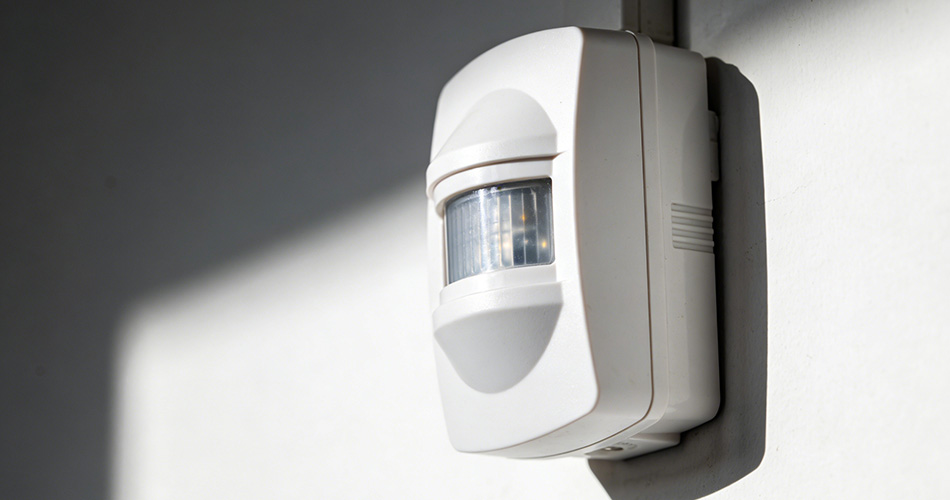
To maximize the value of lighting sensors, organizations should follow these critical best practices during selection and implementation:
First, align sensor type with facility needs. Choose occupancy sensors for variable-occupancy spaces, ambient light sensors for spaces with abundant natural light, and motion sensors for security-focused areas. Avoid overcomplicating systems by selecting sensors that match the specific use case.
Second, ensure compatibility with existing systems. Verify that lighting sensors integrate seamlessly with current lighting controls, BMS, and smart building platforms. Wireless sensors are ideal for retrofits, as they eliminate the need for extensive wiring and reduce installation disruption.
Third, optimize sensor placement. Proper placement is critical for performance—mount occupancy sensors to cover entire target zones without overlapping excessively, and position ambient light sensors away from direct sunlight or reflective surfaces that could distort readings. Consult manufacturer guidelines or work with a professional integrator to ensure optimal placement.
Fourth, calibrate sensors for facility-specific needs. Adjust sensor sensitivity, detection range, and delay times to avoid false triggers (e.g., HVAC airflow, floating debris) and ensure lighting responds appropriately to occupancy or light level changes. Regularly review and update settings as facility usage patterns evolve.
Advancements in technology are making lighting sensors more intelligent, integrated, and sustainable:
One trend is AI-powered lighting sensors. These sensors use machine learning algorithms to analyze occupancy patterns, energy use, and environmental data, predicting lighting needs and optimizing settings in real time. For example, AI-enabled sensors can anticipate peak occupancy times in offices and pre-adjust lighting to match demand.
Another trend is IoT connectivity and cloud integration. Modern lighting sensors connect to the internet, enabling remote monitoring and control via mobile apps or web platforms. Facility managers can track sensor performance, energy savings, and maintenance needs from anywhere, streamlining operations and reducing downtime.
Finally, energy-harvesting lighting sensors. These sensors generate their own power from ambient sources (e.g., light, vibration, heat), eliminating the need for batteries or wiring. This makes them ideal for remote or hard-to-reach areas (e.g., outdoor light poles, industrial warehouses) and aligns with sustainability goals by reducing waste from battery replacements.
In conclusion, lighting sensors are the foundation of smart, sustainable lighting systems, delivering energy savings, enhanced safety, and improved user comfort across diverse facilities. By selecting the right sensor types, optimizing placement and calibration, and leveraging emerging technologies, organizations can unlock the full potential of lighting sensors to achieve their sustainability and operational goals. As AI, IoT, and energy-harvesting technologies advance, lighting sensors will become even more integral to smart building ecosystems, driving further innovation in energy efficiency and user-centric design. For any organization looking to modernize its lighting system and reduce its environmental footprint, investing in high-quality lighting sensors is a strategic and cost-effective choice.


)
)
)
)

+86 15899791249

+86 755 2955 3313


Address: Huafeng No.1 Science and Technology Park, Sanwei, Bao'an District, Shenzhen, Guangdong, China.
