

Time:2025-12-12
In the era of smart building automation, lighting systems are no longer isolated illumination tools but integral components of integrated facility management ecosystems. Central to unlocking the full potential of these systems is lighting sensoradjustment—the process of calibrating and customizing sensor functions to align with dynamic building needs, occupancy patterns, and environmental changes. Unlike fixed-setting sensors that operate rigidly, lighting sensoradjustment empowers lighting systems to adapt proactively, ensuring optimal performance across diverse scenarios from luxury hotels to high-tech data centers. Neglecting proper lighting sensoradjustment can lead to disjointed system operation, wasted energy, and compromised user experience. For building managers, smart building designers, and facility operators, mastering lighting sensoradjustment is key to building efficient, user-centric, and future-ready smart environments. This article explores the comprehensive value, application scenarios, and implementation strategies of lighting sensoradjustment, highlighting its role in synergizing lighting control with broader building systems.
Smart buildings rely on interconnected systems—lighting, HVAC, security, and energy management—to deliver seamless operations and enhanced user comfort. Lighting sensors act as the "eyes" of this ecosystem, collecting real-time data on occupancy, ambient light, and space usage. However, this data can only drive effective decisions if sensors are properly adjusted. Lighting sensoradjustment ensures that sensor inputs are accurate, relevant, and synchronized with other building systems, avoiding miscommunication and operational inefficiencies.
The risks of inadequate lighting sensoradjustment are profound in smart buildings. For example, a sensor with unadjusted detection ranges might fail to sync with HVAC systems, leading to lights staying on in unoccupied rooms while heating or cooling continues—wasting both energy and resources. In a smart hotel, poorly adjusted sensors could trigger lighting incorrectly in guest rooms, disrupting guest experience and damaging brand reputation. In contrast, precise lighting sensoradjustment enables sensors to work in harmony with other systems: adjusting lighting intensity based on both occupancy and HVAC settings, or coordinating with security systems to brighten lights during security alerts. This synergy is what transforms individual lighting components into a cohesive smart building ecosystem.
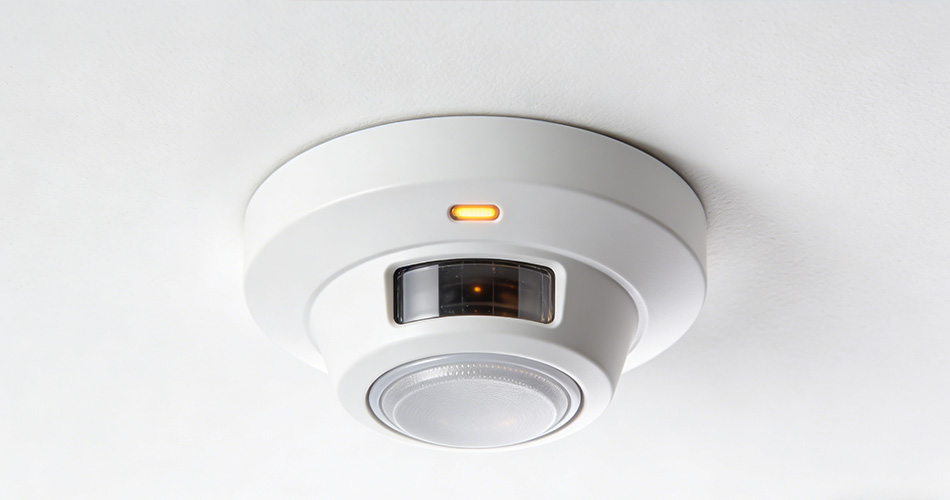
Thoughtful lighting sensoradjustment delivers three key synergistic benefits that elevate smart building performance:
First, system-wide operational synergy. Lighting sensoradjustment ensures seamless integration between lighting sensors and other building management systems (BMS). For instance, adjusted occupancy sensors can send signals to HVAC systems to reduce airflow in unoccupied zones while turning off lights, creating a unified energy-saving strategy. In addition, adjusted ambient light sensors can coordinate with window shading systems to balance natural light and artificial illumination, optimizing both energy use and user comfort. This synergy eliminates siloed operations, maximizing overall building efficiency.
Second, adaptive performance across dynamic scenarios. Buildings experience constant changes in occupancy, usage patterns, and environmental conditions—from morning rush hours in office lobbies to evening events in conference centers. Lighting sensoradjustment allows sensors to adapt to these changes, with customizable settings for different times of day, events, or seasons. For example, a sensor in a conference center can be adjusted to widen detection ranges during large events and narrow them during small meetings, ensuring accurate occupancy detection in all scenarios. This adaptability ensures consistent performance regardless of changing building needs.
Third, enhanced user-centric customization. Lighting sensoradjustment enables personalized lighting experiences tailored to different user groups. In a co-working space, sensors can be adjusted to recognize individual workstations, allowing users to set preferred lighting triggers via mobile apps. In healthcare facilities, adjusted sensors can create "quiet mode" in patient wings, reducing lighting activation sensitivity to avoid disrupting patients while maintaining adequate illumination for staff. This level of customization enhances user satisfaction and well-being, a key goal of modern smart buildings.
Lighting sensoradjustment excels in complex smart building environments where system integration and user customization are critical. Below are key applications across specialized sectors:
Smart hotels & hospitality venues: Luxury hotels rely on lighting sensoradjustment to deliver personalized guest experiences. Sensors in guest rooms are adjusted to detect guest presence without being triggered by luggage or room service carts, ensuring lights and climate control activate only when guests are present. In hotel lobbies, adjusted sensors coordinate with ambient light and foot traffic, brightening key areas during check-in rushes and dimming during quiet periods. This adjustment also extends to outdoor spaces like hotel gardens, where sensors are synced with security systems to enhance safety without disrupting guests.
Convention Center & event venues: These dynamic spaces host events of varying sizes, requiring flexible lighting control. Lighting sensoradjustment allows operators to pre-set sensor profiles for different event types—trade shows, conferences, or gala dinners. For large trade shows, sensors are adjusted to wide detection ranges to cover exhibition halls; for small board meetings, ranges are narrowed to focus on meeting rooms. Post-event, sensors can be adjusted to low-sensitivity mode for cleaning crews, ensuring lights activate only in areas being worked on. This flexibility streamlines event operations and reduces energy waste.
Data centers & tech facilities: Data centers require precise lighting control to balance safety and energy efficiency. Lighting sensoradjustment ensures sensors detect only authorized personnel (avoiding triggers from server cooling fans or equipment vibrations) and activate lighting only in maintenance aisles when staff are present. Sensors are also adjusted to sync with fire safety systems, brightening emergency exit paths during alerts. This precise adjustment minimizes energy use in 24/7 operational facilities while enhancing staff safety.
Senior living smart communities: These facilities use lighting sensoradjustment to support elderly residents’ independence and safety. Sensors in hallways and bathrooms are adjusted to high sensitivity to detect slow-moving residents, ensuring lights activate instantly to prevent falls. In common areas like dining rooms, sensors are adjusted to adapt to meal times, brightening during peak hours and dimming during quiet periods. Adjusted sensors also sync with call systems, ensuring lights flash in staff stations when residents need assistance—creating a cohesive safety network.
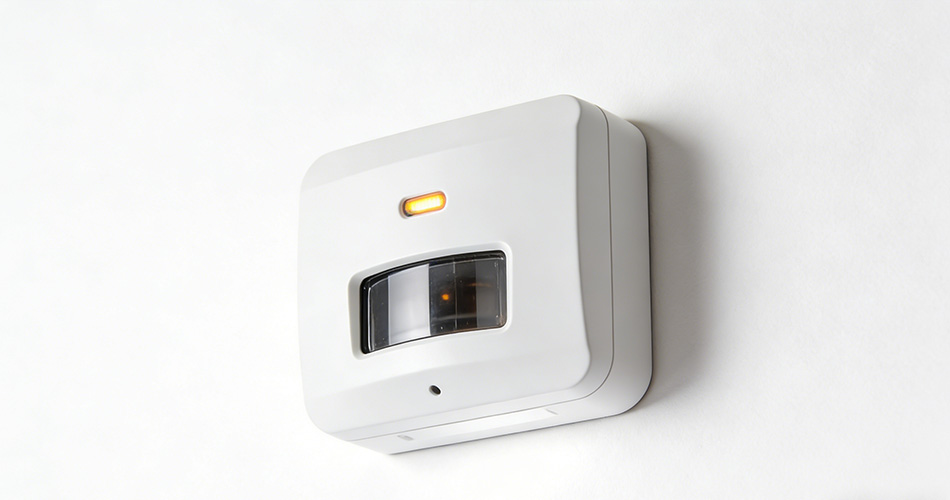
To maximize the synergistic value of lighting sensoradjustment, follow these strategic guidelines:
First, conduct system-wide needs assessment. Before adjusting sensors, map out how lighting systems interact with other building systems (HVAC, security, shading) and identify user needs across different zones. This assessment ensures that lighting sensoradjustment aligns with overall building goals, whether energy savings, user comfort, or safety.
Second, prioritize intuitive and centralized adjustment tools. Select sensors with user-friendly lighting sensoradjustment interfaces, such as cloud-based platforms or BMS integration, that allow for remote and centralized calibration. This simplifies adjustment across large or multi-building facilities and enables quick changes for events or emergencies. Avoid overly complex systems that require specialized technical expertise.
Third, implement scenario-based adjustment profiles. Develop pre-set adjustment profiles for common building scenarios (e.g., peak hours, off-hours, events, maintenance) to streamline operations. For example, a smart office can have "work mode" and "event mode" profiles, with sensors adjusted to match each scenario’s occupancy and lighting needs. These profiles can be activated manually or automatically based on time or occupancy triggers.
Fourth, conduct regular post-adjustment audits. Building needs and usage patterns evolve over time, so schedule quarterly audits of lighting sensoradjustment settings. Verify that sensors are still aligned with system goals, and update settings as needed—for example, adjusting sensors after a building renovation or a change in occupancy patterns. This ensures long-term performance and system synergy.
As smart building technology advances, lighting sensoradjustment is becoming more intelligent and automated, further enhancing system synergy:
One trend is AI-driven predictive adjustment. Future sensors will use artificial intelligence to analyze historical occupancy data, weather patterns, and building usage trends, automatically adjusting settings to anticipate needs. For example, a sensor in a hotel will pre-adjust to "check-in mode" before peak arrival times, ensuring seamless guest experiences without manual intervention.
Another trend is blockchain-enabled secure adjustment. In multi-tenant smart buildings, blockchain technology will enable secure, tenant-specific lighting sensoradjustment, allowing each tenant to customize sensor settings without compromising the overall building system. This enhances privacy and customization while maintaining system integrity.
Finally, biometric-linked adjustment. Sensors will integrate with biometric systems to deliver personalized lighting experiences via lighting sensoradjustment. For example, a sensor in an office can recognize an employee via facial recognition and adjust lighting to their preferred brightness and color temperature, creating a fully personalized workspace.
In conclusion, lighting sensoradjustment is more than just calibrating sensor settings—it’s the key to unlocking synergistic performance in smart building ecosystems. By enabling seamless integration with other systems, adaptive performance across dynamic scenarios, and user-centric customization, lighting sensoradjustment transforms lighting systems into a foundational element of smart buildings. Through strategic implementation and adherence to best practices, building managers can maximize energy efficiency, user satisfaction, and operational coherence. As AI and secure customization technologies advance, lighting sensoradjustment will become even more intelligent, solidifying its role as a cornerstone of future-ready smart buildings. For anyone investing in smart building infrastructure, prioritizing lighting sensoradjustment is a strategic choice that delivers long-term operational value and enhanced user experiences.


)
)
)
)

+86 15899791249

+86 755 2955 3313


Address: Huafeng No.1 Science and Technology Park, Sanwei, Bao'an District, Shenzhen, Guangdong, China.
