

Time:2026-01-26
As energy costs continue to rise and smart manufacturing becomes a global trend, factories are under increasing pressure to optimize operations while reducing waste. Lighting, often accounting for a significant portion of industrial energy consumption, represents a major opportunity for improvement. By integrating advanced lighting sensor technology into factory lighting systems, manufacturers can dramatically improve energy efficiency, operational control, and long-term cost savings.
This article explores how lighting sensors support smart factory energy efficiency, key technical considerations, and best practices for industrial deployment.
A lighting sensor is an intelligent device designed to detect motion, occupancy, and ambient light levels, enabling automated lighting control. In factory environments—where lighting often remains on regardless of occupancy—sensor-based systems ensure lights operate only when and where they are needed.
Smart factories rely on data-driven automation. Lighting sensors provide real-time environmental data that allows lighting systems to respond dynamically to production schedules, worker movement, and natural daylight. This automation not only reduces energy waste but also supports consistent illumination standards across production zones.
Studies and real-world deployments have shown that smart lighting systems using lighting sensors can reduce lighting-related energy consumption by 30–60%, depending on factory size, layout, and operational patterns.
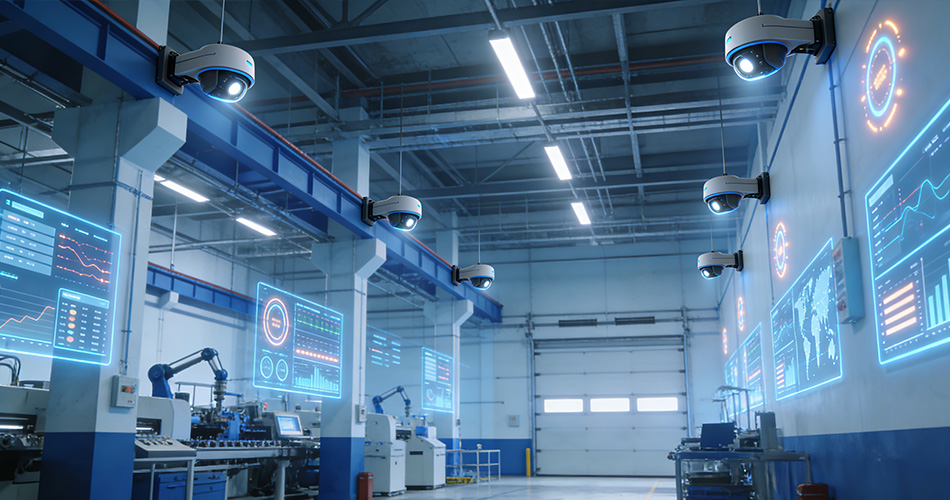
Factories operate long hours, often with large-scale lighting systems running continuously. Lighting sensors automatically turn lights off or dim them in unoccupied areas, significantly lowering electricity usage. When combined with daylight harvesting, lighting sensors adjust artificial lighting based on available natural light, further enhancing energy efficiency.
This intelligent control directly translates into reduced energy bills and faster return on investment—an important consideration for factory decision-makers.
Proper lighting is critical for industrial safety and productivity. Lighting sensors ensure that work areas are illuminated whenever personnel are present, reducing the risk of accidents caused by poor visibility. Consistent lighting levels also help reduce eye strain and fatigue, supporting better worker performance over long shifts.
By minimizing unnecessary operating hours, lighting sensors reduce wear on LED fixtures and drivers. This leads to longer service life, fewer replacements, and reduced maintenance costs—especially valuable in high-bay or hard-to-access industrial environments.
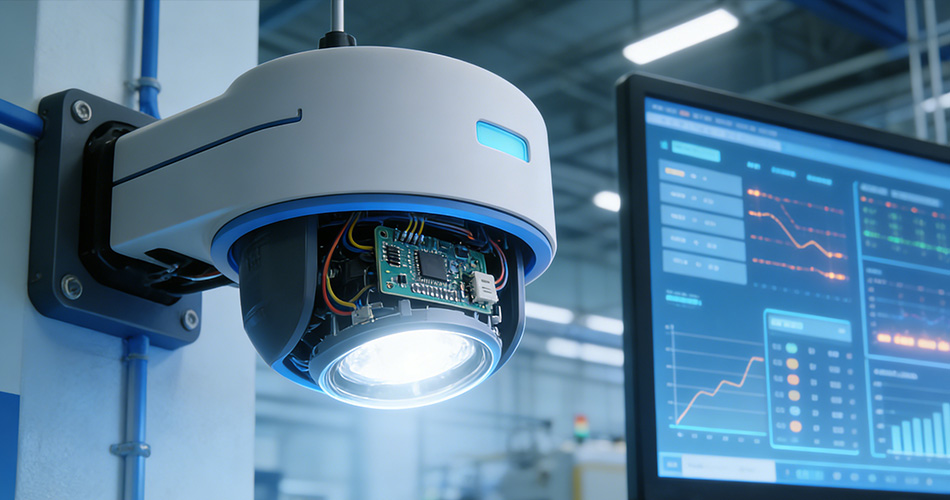
Proper ceiling lighting sensor installation is fundamental to system performance. In factories with high ceilings and wide floor areas, sensors must be installed at appropriate heights and angles to ensure full coverage without blind spots.
Incorrect ceiling lighting sensor installation can lead to uneven lighting, missed detections, or excessive overlap between sensors. Best practice involves aligning sensor placement with production zones, aisles, and high-traffic areas to achieve reliable detection while minimizing redundancy.
Many factories include outdoor spaces such as loading docks, parking areas, and perimeter roads. In these environments, outdoor lighting sensor waterproof performance is essential. Industrial-grade outdoor sensors typically feature high IP ratings (IP65 or above) to protect against rain, dust, and temperature extremes.
Reliable waterproof design ensures consistent operation in harsh conditions, reduces failure rates, and lowers long-term maintenance costs for outdoor factory lighting systems.
Factories often contain moving machinery, forklifts, and automated systems. Proper lighting sensor sensitivity adjustment allows sensors to distinguish between relevant human activity and background movement.
Adjustable sensitivity settings enable facility managers to fine-tune detection thresholds based on ceiling height, workspace layout, and operational activity. This precision ensures lights activate when needed—without excessive or unnecessary switching.
One common concern in industrial environments is lighting sensor false triggers. False triggers occur when sensors respond to vibrations, temperature changes, or non-human motion, leading to inefficient lighting behavior.
Advanced lighting sensors mitigate this issue through dual-detection technologies (such as PIR combined with microwave sensing), intelligent algorithms, and proper calibration. Careful sensor placement and sensitivity adjustment play a crucial role in minimizing false triggers and maintaining stable lighting performance.
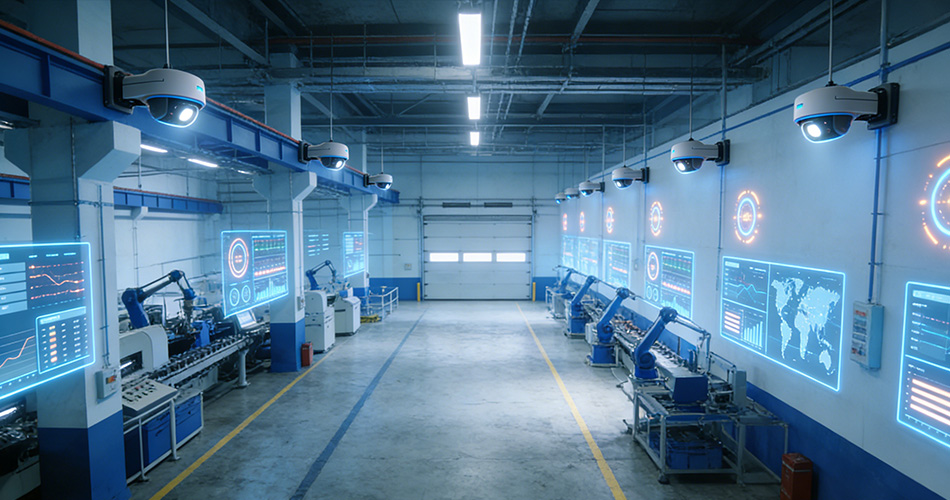
To maximize the benefits of lighting sensors, factories should adopt a strategic approach:
Conduct a lighting audit to identify high-energy-use zones
Use centralized lighting control platforms for monitoring and optimization
Combine lighting sensors with LED and IoT systems for scalable smart factory integration
Plan for future expansion, ensuring sensors and controllers can scale with production growth
When properly implemented, lighting sensors become a core component of smart factory infrastructure rather than a standalone upgrade.
Implementing lighting sensor technology is a practical and high-impact step toward smart factory energy efficiency. From optimized energy usage and improved safety to reduced maintenance costs and smarter operations, lighting sensors deliver long-term value across industrial facilities.
With correct ceiling lighting sensor installation, reliable outdoor lighting sensor waterproof design, precise lighting sensor sensitivity adjustment, and effective prevention of lighting sensor false triggers, factories can achieve stable, efficient, and future-ready lighting systems.
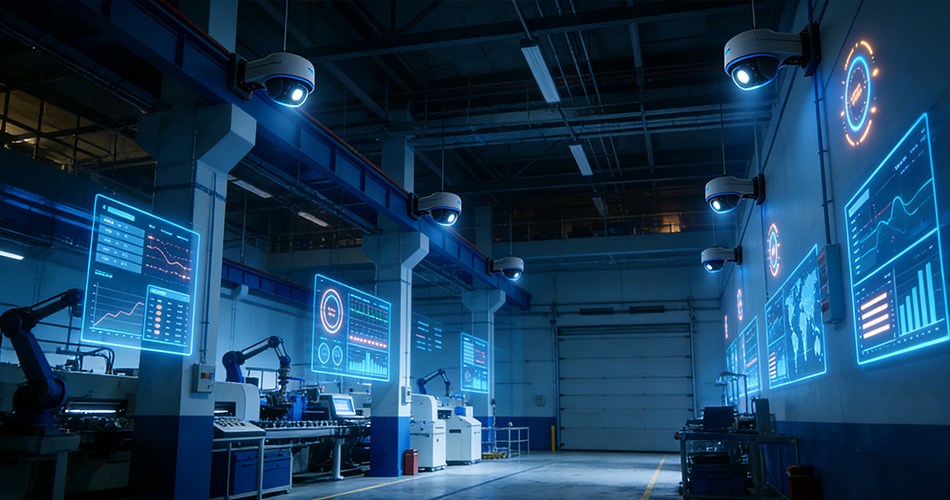
A lighting sensor automatically controls lighting based on occupancy and ambient light levels. In factories, this ensures lights are only active when workers are present, reducing unnecessary energy consumption and significantly lowering electricity costs.
Proper ceiling lighting sensor installation should account for ceiling height, sensor detection range, and workspace layout. Correct placement ensures accurate detection, avoids blind spots, and prevents overlapping coverage that may reduce system efficiency.
Factory outdoor areas are exposed to rain, dust, and extreme temperatures. Outdoor lighting sensor waterproof designs with high IP ratings ensure reliable operation, reduce failure risks, and extend sensor lifespan in harsh environments.
Lighting sensor sensitivity adjustment allows sensors to be calibrated for specific industrial conditions. Proper adjustment ensures reliable detection of human activity while avoiding unnecessary activation caused by machinery or environmental changes.
Lighting sensor false triggers are often caused by vibrations, moving equipment, or incorrect sensitivity settings. Using advanced sensors with dual-detection technology, combined with correct installation and calibration, effectively minimizes false triggers in factory environments.


)
)
)
)

+86 15899791249

+86 755 2955 3313


Address: Huafeng No.1 Science and Technology Park, Sanwei, Bao'an District, Shenzhen, Guangdong, China.
