

Time:2025-12-11
Marine and coastal environments pose unique and harsh challenges to sensor systems, with relentless saltwater spray, corrosive salt fog, heavy rainfall, and constant humidity threatening sensor integrity and performance. Sensors deployed in these settings—for lighting control, environmental monitoring, or safety systems—rely on robust protection to withstand such conditions. Marine grade waterproof sensor enclosures emerge as the critical solution, engineered specifically to resist saltwater corrosion, prevent water ingress, and shield internal sensor components from the harshest marine elements. For marine operators, port managers, offshore facility teams, and coastal infrastructure developers, investing in high-quality marine grade waterproof sensor enclosures is essential to ensuring sensor reliability, reducing maintenance costs, and maintaining operational safety in marine environments.
Standard waterproof sensor enclosures, while effective in general wet environments, are ill-equipped to handle the unique stressors of marine settings. The primary culprit is saltwater, which is far more corrosive than freshwater and can rapidly degrade standard enclosure materials like ordinary plastics or uncoated metals. Over time, saltwater exposure causes rust, material breakdown, and seal deterioration, leading to water ingress that damages sensor electronics, triggers malfunctions, or results in complete sensor failure.
Beyond corrosion, marine environments also subject enclosures to constant mechanical stress—including wave impacts, strong winds, and temperature fluctuations (from freezing winters to scorching summers). Standard enclosures often lack the structural rigidity to withstand these forces, leading to cracks or warping that compromise their waterproof seal. Additionally, salt fog, a fine mist of saltwater droplets that lingers in coastal air, can penetrate small gaps in standard enclosures, further accelerating internal component damage. Marine grade waterproof sensor enclosures address these gaps by integrating specialized materials, enhanced sealing, and structural design tailored to marine-specific challenges.
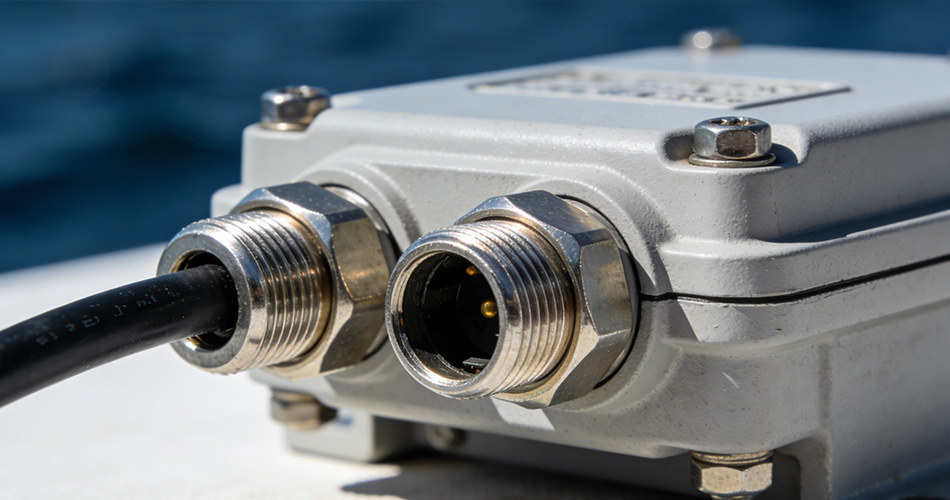
Marine grade waterproof sensor enclosures deliver four key advantages that make them indispensable for marine and coastal applications:
First, superior corrosion resistance. The defining feature of marine grade waterproof sensor enclosures is their ability to withstand saltwater and salt fog corrosion. Manufacturers use marine-grade materials such as 316L stainless steel, fiberglass-reinforced plastic (FRP), or specialized corrosion-resistant coatings (e.g., powder coating, anodizing) to prevent material degradation. These materials form a protective barrier against saltwater, ensuring enclosures maintain their structural integrity and waterproof seal for years in harsh marine conditions.
Second, robust waterproof sealing. Marine grade enclosures feature advanced sealing technologies—such as double O-rings, gasket seals, or hermetic sealing—that provide a impenetrable barrier against water, salt fog, and moisture. Unlike standard enclosures with single seals that degrade over time, these enhanced sealing systems are designed to withstand constant exposure to wet conditions, preventing water ingress even during heavy rainfall, wave splashes, or temporary submersion.
Third, structural durability. Engineered to withstand the mechanical stress of marine environments, marine grade waterproof sensor enclosures have reinforced frames and impact-resistant materials that resist wave impacts, wind loads, and physical damage. This structural robustness ensures enclosures remain intact even in stormy conditions, protecting internal sensors from shock and vibration that could disrupt performance.
Fourth, temperature and UV resistance. Marine environments expose enclosures to extreme temperature swings and intense UV radiation from the sun. Marine grade enclosures are manufactured with UV-stabilized materials that prevent fading, brittleness, or cracking caused by prolonged sun exposure. They also maintain their performance across a wide temperature range, ensuring sensors operate reliably in freezing coastal winters and hot summer months.
Marine grade waterproof sensor enclosures are tailored to a range of marine and coastal applications, delivering targeted protection for sensors in diverse settings:
Offshore oil and gas platforms: These facilities rely on sensors for lighting control, leak detection, and environmental monitoring. Marine grade waterproof sensor enclosures protect these sensors from saltwater corrosion, wave impacts, and harsh weather, ensuring continuous operation of critical safety and operational systems. Enclosures here are often designed to withstand high pressure and explosive atmospheres, aligning with offshore safety standards.
Ships and marine vessels: Onboard sensors for navigation, lighting, and engine monitoring require robust protection from saltwater spray, humidity, and vibration. Marine grade waterproof sensor enclosures shield these sensors, ensuring reliable performance during long voyages in open seas. They also resist damage from cleaning operations, which often involve high-pressure water jets.
Port and harbor facilities: Ports use sensors for lighting control (e.g., in cargo yards, docking areas), security monitoring, and tide level detection. Marine grade waterproof sensor enclosures protect these sensors from saltwater corrosion, heavy rainfall, and the constant activity of port operations. Their durability ensures minimal maintenance, even in high-traffic port environments.
Coastal environmental monitoring stations: These stations deploy sensors to measure water quality, wave height, and weather conditions. Marine grade waterproof sensor enclosures safeguard these sensors from prolonged saltwater exposure and harsh coastal weather, ensuring accurate data collection for environmental research and coastal management.
Marine aquaculture facilities: Fish farms and seafood processing facilities use sensors for water temperature monitoring, oxygen level detection, and lighting control. Marine grade waterproof sensor enclosures protect these sensors from saltwater corrosion and the humid, chemical-rich environment of aquaculture operations, ensuring optimal conditions for aquatic life and compliance with food safety standards.
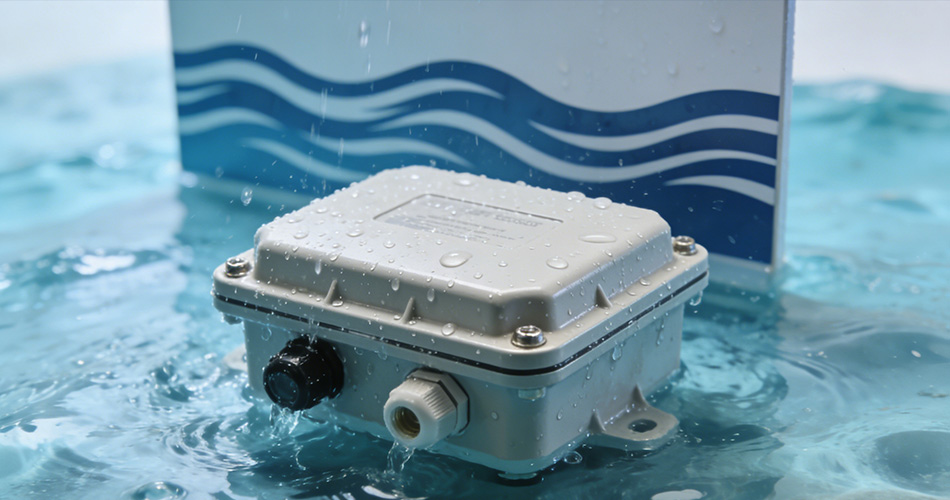
To maximize the protective value of marine grade waterproof sensor enclosures, organizations should consider four critical factors during selection and implementation:
First, material selection based on environment. Choose enclosure materials that match the specific marine environment. For offshore settings with constant saltwater exposure, 316L stainless steel or FRP is ideal. For coastal areas with more moderate conditions, UV-stabilized plastic with corrosion-resistant coatings may be sufficient. Avoid standard metals or plastics that lack marine-grade certification.
Second, verify waterproof and corrosion ratings. Ensure enclosures meet relevant marine standards, such as IP67 or IP68 for waterproofing, and comply with corrosion resistance standards (e.g., ASTM B117 for salt spray testing). These ratings confirm the enclosure’s ability to withstand the intended marine conditions.
Third, ensure compatibility with sensor and installation needs. Select enclosures that fit the sensor size and allow for proper wiring or wireless connectivity. For underwater installations, choose enclosures rated for the required depth. Consider mounting options (e.g., wall-mounted, pole-mounted) that suit the application site (e.g., ship decks, port walls).
Fourth, prioritize ease of maintenance. Opt for enclosures with easy-access designs (e.g., hinged lids, quick-release fasteners) that allow for sensor inspection, calibration, or replacement without compromising the waterproof seal. This reduces maintenance time and ensures the enclosure’s protective integrity is maintained after servicing.
As marine technology and smart infrastructure evolve, marine grade waterproof sensor enclosures are becoming more advanced and integrated:
One trend is the integration of smart monitoring features. Modern enclosures include built-in sensors to monitor internal humidity, temperature, or seal integrity, alerting operators to potential issues (e.g., seal degradation) before water ingress occurs. This predictive maintenance capability reduces downtime and extends sensor lifespan.
Another trend is lightweight and compact design. Manufacturers are developing marine grade enclosures using advanced composite materials that maintain corrosion resistance and durability while reducing weight. This is particularly valuable for marine vessels and offshore platforms, where weight reduction improves fuel efficiency and payload capacity.
Finally, sustainability enhancements. Enclosures are increasingly made from recycled or recyclable marine-grade materials, aligning with the growing focus on environmental sustainability in marine operations. Additionally, low-maintenance designs reduce the environmental impact of frequent replacements and repairs.
In conclusion, marine grade waterproof sensor enclosures are a critical component for protecting sensors in marine and coastal environments, where saltwater corrosion and harsh weather pose significant threats. Their superior corrosion resistance, robust waterproofing, and structural durability ensure sensor reliability, reduce maintenance costs, and enhance operational safety. By selecting the right materials, verifying ratings, and prioritizing compatibility and maintenance, organizations can maximize the value of these enclosures in diverse marine applications. As smart monitoring and lightweight materials advance, marine grade waterproof sensor enclosures will become even more effective, supporting the growth of smart marine infrastructure. For any organization operating in marine environments, investing in high-quality marine grade waterproof sensor enclosures is a strategic choice that delivers long-term reliability and operational peace of mind.


)
)
)
)

+86 15899791249

+86 755 2955 3313


Address: Huafeng No.1 Science and Technology Park, Sanwei, Bao'an District, Shenzhen, Guangdong, China.
