

Time:2025-10-29
In today's world, energy efficiency is more crucial than ever. One of the most effective ways to achieve this is through daylight harvesting. This approach not only promotes sustainability but also reduces energy costs. In this article, we will explore the benefits of daylight harvesting, how it contributes to energy efficiency, and the strategies you can implement to maximize its potential.
Daylight harvesting is a lighting control strategy that uses natural sunlight to illuminate building interiors. By integrating sensors and control systems, artificial lighting is adjusted based on the available natural light, ensuring optimal lighting levels throughout the day. This reduces the reliance on artificial lighting, leading to significant energy savings.
Daylight harvesting systems typically include sensors that detect the amount of natural light in a space. These sensors communicate with lighting control systems to adjust the artificial lighting accordingly. For example, on a sunny day, the system may dim or turn off electric lights, while on cloudy days, it will provide more artificial light to maintain the desired lighting levels.

Daylight harvesting offers numerous advantages, both environmentally and economically. Here are some key benefits:
The primary benefit of daylight harvesting is energy savings. By reducing the need for artificial lighting, buildings can significantly cut down on electricity use. According to the U.S. Department of Energy, lighting accounts for about 17% of the energy used in commercial buildings. Implementing daylight harvesting can reduce this consumption by 20% to 60%, leading to substantial energy savings.
Reducing energy consumption not only saves money but also lessens the environmental impact. By utilizing natural light, buildings reduce their carbon footprint and contribute to a more sustainable future. This aligns with global efforts to combat climate change and promote sustainability.
Natural light has been shown to enhance mood and productivity. Exposure to daylight helps regulate the body's circadian rhythms, improving sleep quality and overall well-being. In workplaces, this can lead to increased employee satisfaction and productivity, making daylight harvesting a valuable asset.
While the initial investment in daylight harvesting systems may be higher, the long-term savings can be significant. Reduced energy bills and potential tax incentives or rebates for sustainable practices can offset initial costs, making it a financially wise choice for many building owners.

Implementing effective daylighting strategies is key to maximizing the benefits of daylight harvesting. Here are some strategies to consider:
Proper window placement and design are crucial for effective daylight harvesting. South-facing windows typically receive the most sunlight throughout the day. Consider using large windows with low-emissivity coatings to maximize natural light while minimizing heat gain.
Light shelves and louvers help distribute natural light deeper into a space. Light shelves reflect sunlight onto the ceiling, providing even illumination. Louvers can be adjusted to control the amount of light entering a space, reducing glare and heat gain.
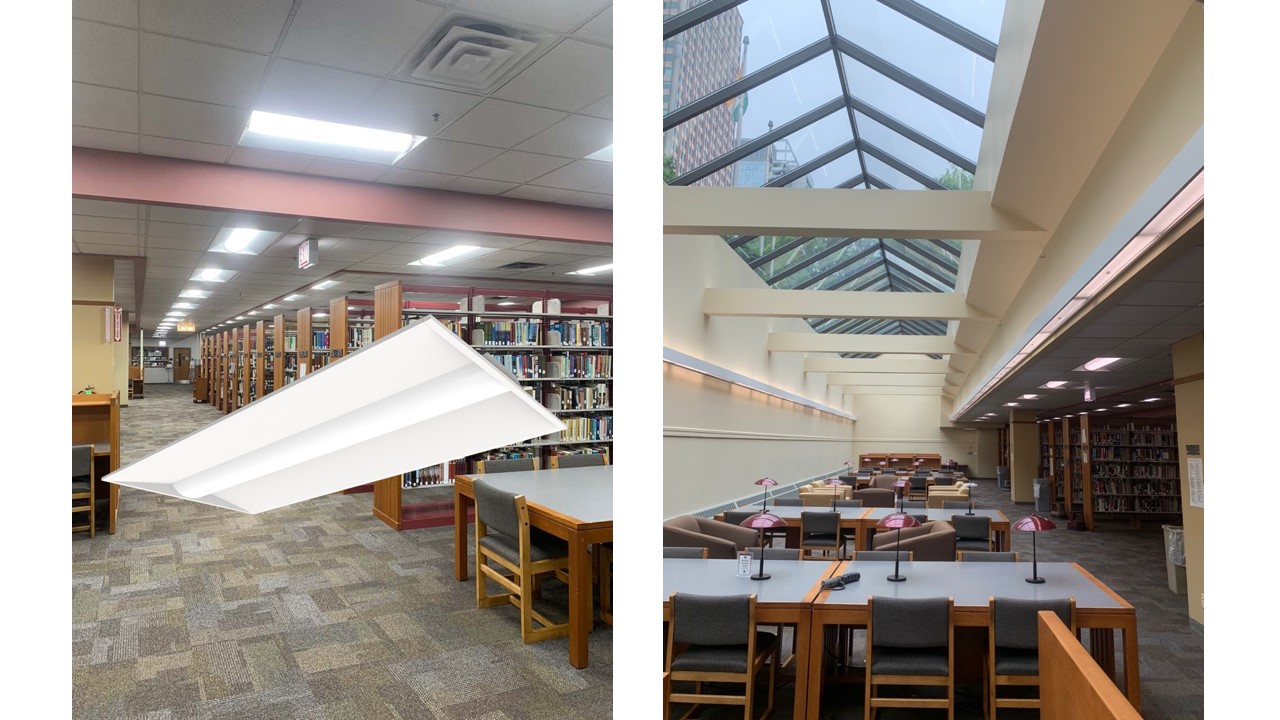
Skylights are an excellent way to bring natural light into areas that may not have access to windows. They can significantly enhance the daylighting of a space, especially in large, open areas like atriums or warehouses.
Advanced lighting controls, such as dimmers and occupancy sensors, work in tandem with daylight harvesting systems to optimize lighting levels. These controls automatically adjust artificial lighting based on the availability of natural light and occupancy, ensuring energy efficiency without compromising comfort.
The Edge, a highly sustainable building in Amsterdam, is an excellent example of effective daylight harvesting. The building uses a combination of large windows, light shelves, and advanced control systems to optimize natural light usage. This has led to a 70% reduction in energy consumption compared to traditional buildings.
The New York Times Building in Manhattan employs a sophisticated daylight harvesting system that adjusts the lighting based on the amount of natural light available. This has resulted in significant energy savings and has set a benchmark for sustainable office building design.
Daylight harvesting is a powerful strategy for enhancing energy efficiency and promoting sustainability. By harnessing the power of natural light, buildings can reduce energy consumption, lower costs, and improve occupant well-being. Implementing effective daylighting strategies, such as optimizing window placement, using light shelves, and incorporating advanced controls, can maximize the benefits of daylight harvesting.
As we continue to prioritize energy efficiency, daylight harvesting stands out as a practical and impactful solution. Whether you're designing a new building or retrofitting an existing one, consider incorporating daylight harvesting to reap its numerous benefits.


)
)
)
)

+86 15899791249

+86 755 2955 3313


Address: Huafeng No.1 Science and Technology Park, Sanwei, Bao'an District, Shenzhen, Guangdong, China.
