

Time:2025-11-07
In enterprise commercial smart lighting ecosystems, multi user app access control settings and multi user app permissions work in tandem as the first line of defense, governing how teams interact with critical lighting components like sensors, controllers, gateways, and switches. Unlike generic access tools, these settings and permissions are tailored to the unique needs of businesses—supporting distributed teams, multiple locations, and layered operational roles while preventing unauthorized access. For organizations investing in commercial smart lighting solutions, configuring robust multi user app access control settings and multi user app permissions is essential to balance operational flexibility, data protection, and regulatory compliance. This article explores the core value, key configurations, real-world applications, and best practices of these interconnected elements for modern lighting management.
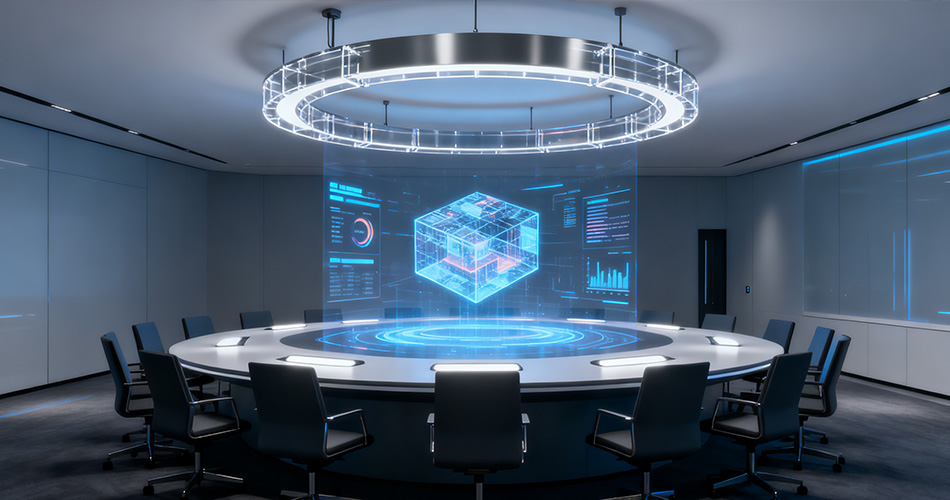
Commercial smart lighting apps manage sensitive operations—from adjusting energy-intensive schedules to accessing device performance data across sites. Without intentional multi user app access control settings and multi user app permissions, businesses face avoidable risks:
- Unauthorized users may modify safety-critical settings (e.g., dimming emergency exit lights) or delete automation rules, disrupting operations and endangering staff.
- Overly permissive access can expose confidential data, such as facility layouts or energy usage patterns, to competitors or malicious actors.
- Lack of granular settings makes it hard to trace accountability for changes—e.g., identifying who adjusted a warehouse lighting schedule that caused energy waste.
Well-designed multi user app access control settings and multi user app permissions mitigate these risks by delivering three core benefits:
1. Precision Access: Tailor multi user app permissions to job functions, ensuring users only interact with features relevant to their roles (e.g., maintenance staff can’t alter global energy rules).
2. Operational Agility: Empower frontline teams with targeted access (e.g., store managers adjusting local scenes) while centralizing high-stakes controls (e.g., cross-site data) for admins.
3. Audit Readiness: Track user actions via logs, supporting compliance with data security standards (e.g., GDPR, CCPA) and internal governance policies.
For example, a restaurant chain with 40+ locations can use these settings to let kitchen staff dim prep area lights, while regional managers monitor energy usage—all while reserving global menu-board lighting adjustments for corporate admins.
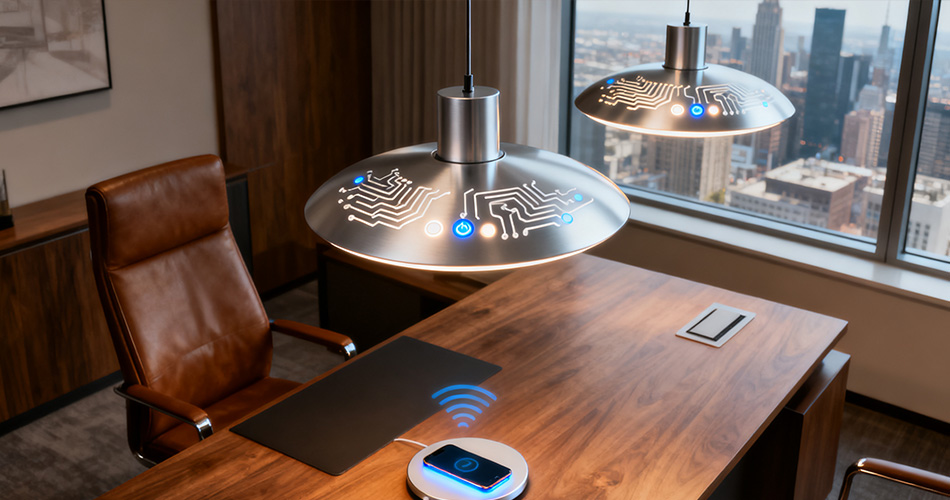
Effective multi user app access control settings and multi user app permissions are built on role-based logic but focus on actionable configurations. Below are the critical components for commercial smart lighting apps:
This foundational setting links user roles to specific app capabilities via multi user app permissions. Common configurations include:
- Admin Roles: Full access to configure multi user app access control settings and multi user app permissions, modify global lighting standards, and integrate with enterprise systems (e.g., BMS).
- Location Managers: Permissions limited to assigned sites—e.g., adjusting a retail store’s holiday lighting or viewing local energy reports.
- Technical Staff: Access to device troubleshooting (e.g., resetting sensors) but not to scheduling or data analytics.
- End Users: Basic controls like activating pre-approved scenes (e.g., “meeting mode” in offices) without accessing backend settings.
For large or multi-site businesses, this setting restricts users to specific lighting zones. Configurations include:
- Geographic Zones: A regional manager only accesses lighting data for their territory (e.g., Northeast stores).
- Functional Zones: A warehouse supervisor controls assembly line lighting but not administrative office lights.
- Device Groups: A technician manages sensors in the west wing but not gateways in the east wing.
This setting limits what users can do with accessible features. Key configurations:
- View-Only Access: Regional managers can see cross-site energy data but not edit it.
- Modify Limits: Site staff can adjust brightness but not change dusk-dawn automation triggers.
- Emergency Overrides: Authorized users can activate emergency lighting but not disable it without approval.
Temporary access settings support dynamic operations, such as:
- Shift-Based Permissions: Maintenance staff only access troubleshooting tools during their work hours.
- Project-Level Access: Contractors get 2-week access to adjust construction-site lighting, then permissions expire.
- Emergency Access Windows: Admins grant temporary global access during system outages, with auto-expiration.
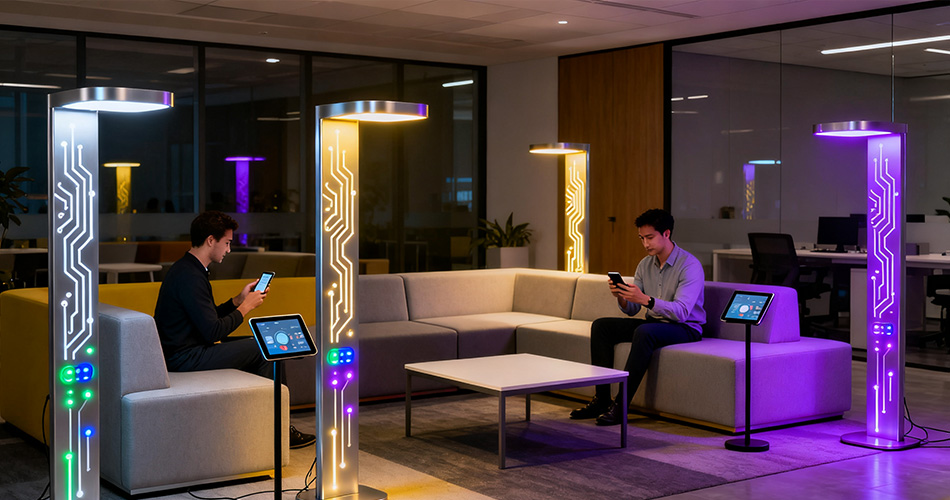
Multi user app access control settings and multi user app permissions must sync seamlessly with core lighting components to ensure security without sacrificing functionality:
- Controllers & Gateways: Settings restrict firmware updates to admins, while technicians can only restart devices.
- Sensors: Maintenance staff access sensor health logs, but end users can’t view performance data.
- Switches & Remotes: Only authorized users (e.g., site managers) can pair new devices with the app, preventing rogue hardware additions.
This integration ensures every component is protected by access controls, reducing vulnerabilities while keeping operations smooth.
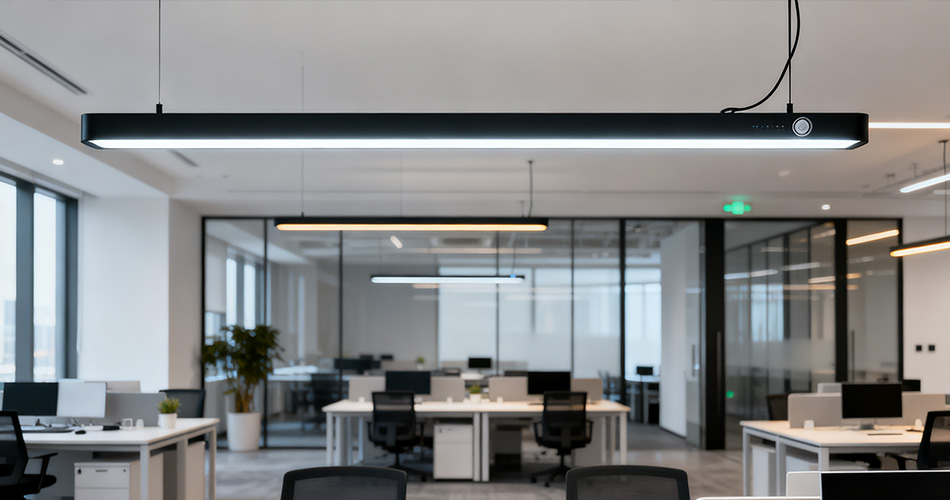
A clothing brand uses multi user app access control settings and multi user app permissions to let store associates activate “sale event” lighting, while regional managers approve seasonal scene changes. Corporate admins retain control over brand-wide color temperature standards for product displays.
A manufacturing plant configures multi user app access control settings and multi user app permissions so shift supervisors adjust line lighting schedules, maintenance staff reset faulty sensors, and executives only access energy dashboards for sustainability reporting.
A hotel chain sets multi user app access control settings and multi user app permissions so front desk staff activate “guest welcome” lighting in rooms, housekeeping adjusts corridor brightness, and property managers oversee lobby and restaurant lighting—with corporate admins auditing all changes.
A tech campus uses multi user app access control settings and multi user app permissions to let employees adjust meeting room lighting via the app, facility teams manage building-wide schedules, and IT admins control user onboarding/offboarding for the lighting system.
- Align with Workflows: Avoid overcomplicating settings—map multi user app permissions to how teams actually work (e.g., don’t block maintenance staff from restarting controllers).
- Regular Audits: Review settings quarterly to remove stale access (e.g., former employees) or adjust roles after promotions.
- Test for Least Privilege: Grant the minimum access needed for each role—e.g., store managers don’t need global data access.
- Train Users: Ensure teams understand their access limits (e.g., “you can adjust brightness but not automation rules”) to prevent accidental misuse.
Multi User App Access Control Settings and multi user app permissions are essential for securing commercial smart lighting systems while enabling efficient operations. By focusing on role-based mapping, zone boundaries, action restrictions, and time-bound controls, businesses protect sensitive data, maintain consistency, and empower teams to work effectively. These elements don’t just enhance security—they transform the lighting app into a tool that supports business goals, from energy savings to compliance.
As commercial smart lighting becomes more integrated with enterprise tech stacks, multi user app access control settings and multi user app permissions will grow in importance. They ensure that as teams and locations expand, control remains centralized, secure, and tailored to operational needs—making them a non-negotiable component of modern commercial lighting solutions.


)
)
)
)

+86 15899791249

+86 755 2955 3313


Address: Huafeng No.1 Science and Technology Park, Sanwei, Bao'an District, Shenzhen, Guangdong, China.
