

Time:2025-12-05
Smart lighting systems are evolving from basic automated control to intelligent adaptation that aligns with human needs and environmental changes. However, traditional adaptive lighting solutions, relying on rule-based logic or simple machine learning models, struggle to handle complex, dynamic scenarios—failing to precisely match lighting parameters to real-time variations in occupancy, task requirements, and natural light. In this context, neural network adaptive lighting control algorithms have emerged as a breakthrough, leveraging the powerful data processing and pattern recognition capabilities of neural networks to enable lighting systems that learn, adapt, and optimize autonomously. For organizations pursuing high-performance, user-centric smart built environments, these algorithms have become the core driver of next-generation lighting intelligence.
Traditional adaptive lighting systems typically operate based on pre-defined rules or shallow machine learning models. For example, a rule-based system might dim lights by 50% when natural light intensity exceeds a fixed threshold, or turn on lights when occupancy is detected. While these systems offer basic adaptability, they lack flexibility in complex environments. They cannot account for nuanced factors such as individual lighting preferences, varying task complexity, or non-linear changes in natural light (e.g., sudden cloud cover or sunset glare).
Moreover, traditional systems require frequent manual adjustments to update rules or calibrate models, increasing operational overhead. In dynamic spaces—such as busy offices with rotating tasks, healthcare facilities with varying patient needs, or industrial workshops with shifting production processes—these limitations lead to suboptimal lighting quality, wasted energy, and compromised user experience. Neural network adaptive lighting control algorithms address these gaps by enabling systems to learn from real-time and historical data, automatically adjusting lighting parameters (brightness, color temperature, intensity) to match complex, ever-changing conditions without manual intervention.

Neural network adaptive lighting control algorithms rely on three key components: multi-source data perception, neural network model training, and real-time adaptive control—working in tandem to deliver intelligent lighting adjustment.
First, multi-source data perception. The system collects real-time data from a network of sensors, including occupancy sensors (detecting human presence and movement), light sensors (measuring ambient natural light intensity), task sensors (monitoring work activities, e.g., computer work or manual assembly), and user feedback data (e.g., manual adjustments to lighting preferences). This multi-dimensional data provides a comprehensive view of the lighting environment and user needs, serving as the input for the neural network model.
Second, neural network model training and optimization. The core of the solution lies in a specialized neural network model—such as a convolutional neural network (CNN) or recurrent neural network (RNN)—trained on historical and real-time data. The model learns to identify complex correlations between input data (e.g., "9 AM, sunny, 5 employees in open workspace, computer-based tasks") and optimal lighting parameters (e.g., 500 lux brightness, 4500K color temperature). During operation, the model continuously optimizes itself using new data, refining its ability to predict and adjust lighting to match evolving conditions.
Third, real-time adaptive control. Based on the trained neural network model, the system generates precise lighting control commands in real time. For example, if the model detects a user switching from computer work to reading a document, it automatically adjusts color temperature from 4500K (cool white) to 3000K (warm white) and increases brightness slightly. If sudden cloud cover reduces natural light, the system instantly boosts artificial lighting intensity to maintain consistent comfort levels. This real-time adaptability ensures lighting always aligns with actual user needs and environmental changes.
Neural network adaptive lighting control algorithms are versatile across diverse built environments, delivering tailored value by adapting to industry-specific lighting requirements.
In smart offices, these algorithms create personalized work environments. By integrating with employee work profiles and real-time task data, the system adapts lighting to individual preferences and task needs. For example, it provides cool, bright lighting for data analysis tasks to enhance focus, and warm, soft lighting for creative brainstorming sessions. The neural network learns from employee adjustments over time, refining personalized lighting profiles automatically—reducing eye strain and boosting productivity.
Healthcare facilities benefit from the precision of neural network adaptive lighting. In patient rooms, the algorithm adjusts lighting based on patient conditions (e.g., bright, cool light for daytime recovery, dim, warm light for sleep) and medical staff tasks (e.g., high-intensity lighting for wound care). In operating rooms, the system adapts lighting intensity and angle in real time to avoid glare on surgical sites, supporting precise medical procedures. The neural network’s ability to process multiple data sources (patient vital signs, staff activity, ambient light) ensures lighting aligns with critical healthcare needs.
Industrial workshops leverage these algorithms to balance safety and productivity. The system adapts lighting to production tasks—bright, focused lighting for precision assembly, and wide-coverage lighting for material handling. It also adjusts based on equipment movement and worker location, ensuring well-lit work zones while dimming unused areas. Neural network models learn from production schedules and workflow patterns, pre-adjusting lighting to match shift changes and task transitions—reducing energy waste and enhancing operational efficiency.
Retail environments use neural network adaptive lighting to enhance customer experience and merchandise presentation. The algorithm adjusts lighting in product zones based on customer foot traffic, time of day, and merchandise type (e.g., warm lighting for apparel, cool lighting for electronics). It also adapts to natural light changes, ensuring consistent product visibility and color accuracy. By learning from sales data and customer behavior, the system optimizes lighting to highlight promotional items and create inviting shopping atmospheres.
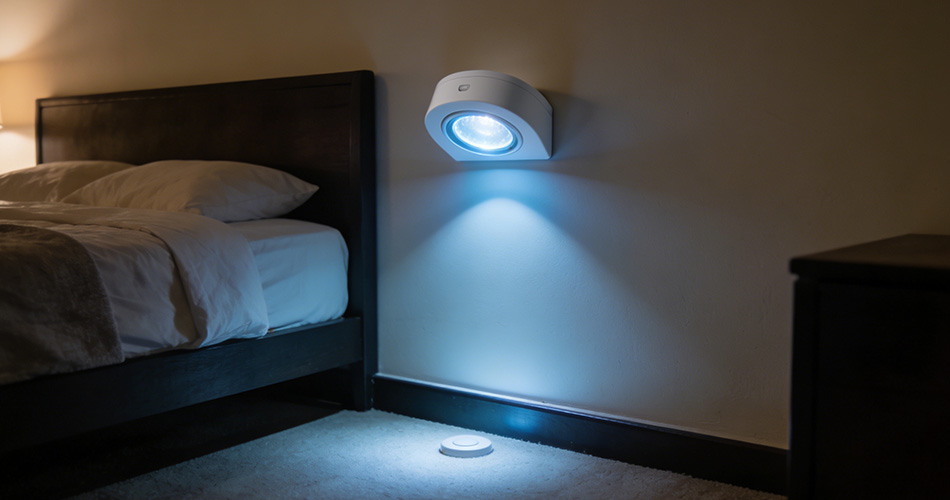
Beyond enhancing user experience, these algorithms deliver tangible value in energy efficiency, operational agility, and long-term cost savings.
Precision energy optimization is a key benefit. Unlike traditional systems that use one-size-fits-all adjustments, neural network adaptive lighting control algorithms deliver targeted lighting—ensuring energy is only used to meet actual needs. Studies show that lighting systems integrated with these algorithms reduce lighting-related energy consumption by 25-35% compared to conventional adaptive systems, as they avoid over-illumination and unnecessary adjustments.
Reduced operational overhead is another advantage. The self-learning and self-optimizing capabilities of neural networks eliminate the need for frequent manual rule updates and model calibration. Facility managers no longer need to adjust lighting parameters for changing scenarios, freeing up time to focus on core operations. This agility is particularly valuable in dynamic environments with shifting occupancy and task patterns.
Enhanced user satisfaction and well-being are also significant. By adapting to individual preferences and task requirements, neural network adaptive lighting creates more comfortable environments. In offices, this reduces eye strain and improves productivity; in healthcare, it supports patient recovery; in retail, it enhances the shopping experience. Improved user satisfaction translates to higher employee retention, better patient outcomes, and increased customer loyalty.
As neural network technology and smart building integration advance, neural network adaptive lighting control algorithms are poised to become even more intelligent and interconnected.
One key trend is multi-modal data fusion. Future systems will integrate more diverse data sources—such as user biometric data (e.g., eye strain indicators), indoor air quality data, and weather forecasts—into neural network models. This enables more holistic adaptive control, where lighting adjusts in coordination with other environmental factors to optimize overall comfort and well-being.
Edge computing deployment is another emerging trend. By deploying neural network models on edge devices (local controllers), systems can process data and generate control commands in real time without relying on cloud connectivity. This reduces latency, improves reliability in poor network conditions, and enhances data security by keeping sensitive user and occupancy data on-site.
Cross-system integration with smart building ecosystems will further expand value. Neural network adaptive lighting control algorithms will seamlessly connect with HVAC, access control, and building management systems (BMS). For example, the lighting system can share occupancy and task data with the HVAC system, enabling coordinated adjustments of temperature and lighting to further enhance energy efficiency and user comfort.
In conclusion, neural network adaptive lighting control algorithms are redefining smart lighting by elevating intelligence from basic automation to personalized, context-aware adaptation. Their ability to process complex data, learn from experience, and deliver targeted lighting adjustments makes them indispensable for modern smart buildings. As multi-modal data fusion, edge computing, and cross-system integration advance, these algorithms will play an increasingly vital role in creating efficient, sustainable, and user-centric built environments. For organizations looking to stay at the forefront of smart building innovation, investing in neural network adaptive lighting control algorithms is a strategic step toward operational excellence and enhanced user well-being.


)
)
)
)

+86 15899791249

+86 755 2955 3313


Address: Huafeng No.1 Science and Technology Park, Sanwei, Bao'an District, Shenzhen, Guangdong, China.
